
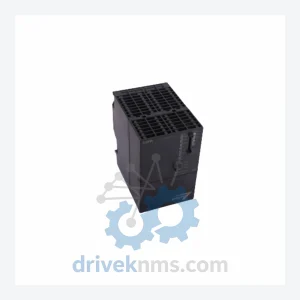
MOTOROLA MVME2304 64-W5206C01B Processor Module – VMEbus Series
MOTOROLA MVME2304 64-W5206C01B Processor Module: Global Sourcing Strategy & Asset Return Value Under Supply Chain Constraints The MOTOROLA MVME2304 64-W5206C01B…
Model: FRN1420A
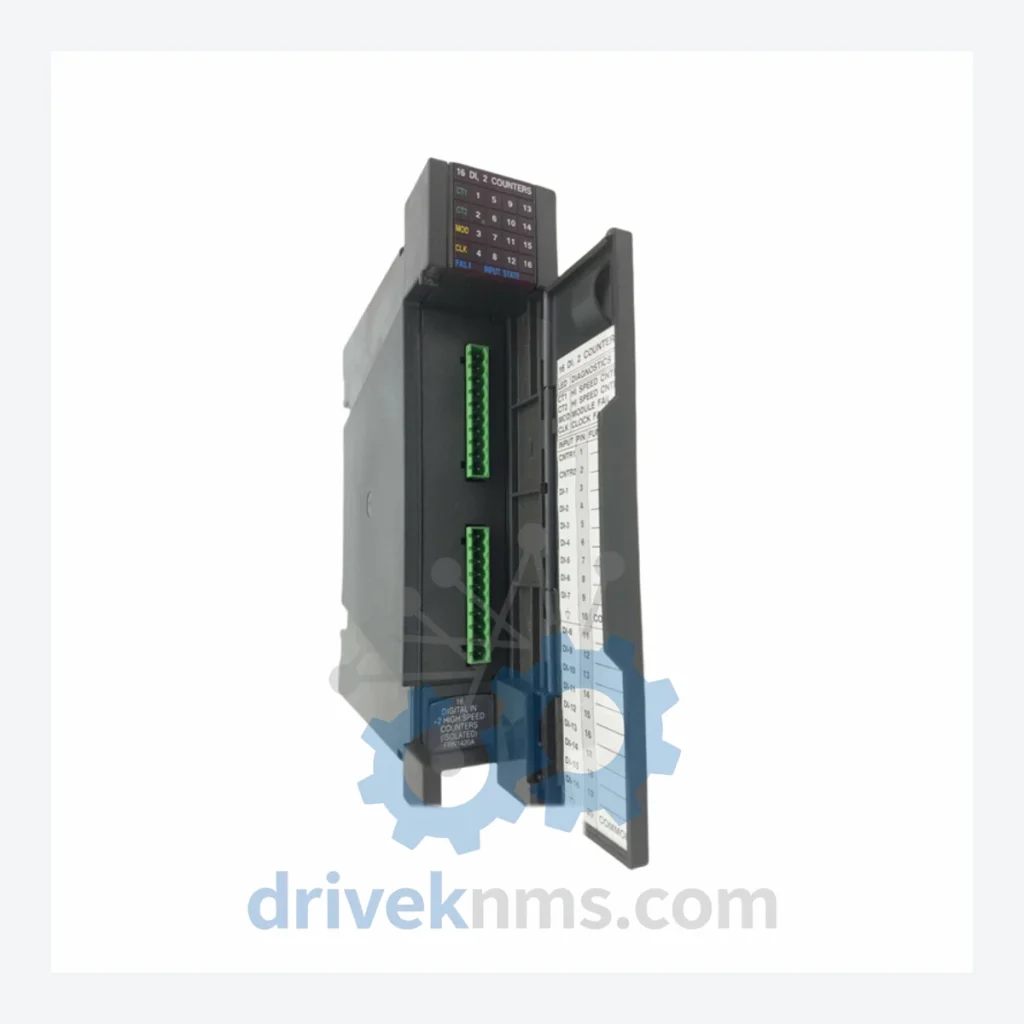
Product Overview
Commercial availability is handled through direct RFQ, model verification and export-oriented follow-up rather than public cart checkout.
Datasheet Preview
Use attached product manuals when available. If the manual is not public yet, request the full file directly through RFQ.
Commercial Path
Product pages on DRIVEKNMS are designed to verify model, brand and series first, then move the buyer into one clean quotation path.
Technical Dossier
When a CPU module fails in a legacy VMEbus-based control system, the consequences extend far beyond a line stoppage. For plant managers operating Motorola MVME-architecture platforms, the FRN1420A is not a commodity component — it is the processing core of a control infrastructure that may have taken years and millions of dollars to commission, validate, and integrate. Replacing the entire system is not a decision made in a week. Engineering redesign, new PLC programming, I/O rewiring, safety re-certification, and production downtime can collectively push upgrade costs well past USD $500,000 for a single line. Against that backdrop, a verified spare FRN1420A module represents a fraction of that cost and buys your operation years of continued, stable service.
DriveKNMS maintains a carefully managed inventory of hard-to-source discontinued industrial components. The FRN1420A is one of the most requested legacy Motorola CPU modules we stock. Availability is not guaranteed — once current inventory is depleted, lead times from secondary market channels can stretch to months.
| Attribute | Detail |
|---|---|
| Part Number | FRN1420A |
| Manufacturer | Motorola |
| Product Series | MVME (VMEbus Embedded Computing) |
| Module Type | CPU / Processor Module |
| Bus Architecture | VMEbus (IEEE 1014) |
| Country of Origin | United States |
| Product Status | Discontinued / Obsolete |
| Typical Application | Industrial process control, defense systems, legacy automation platforms |
| Compatible Systems | Motorola MVME-series VMEbus chassis and backplanes |
Note: Specific electrical parameters (clock speed, memory configuration, I/O specifications) vary by firmware revision. Confirmed technical data will be provided upon request based on the exact unit in stock. No parameters are published here that cannot be verified — accuracy is non-negotiable for safety-critical installations.
The Motorola MVME platform was deployed extensively across process industries, power generation, and defense applications throughout the 1990s and 2000s. Many of these systems remain operational today — not because operators are unaware of newer alternatives, but because the cost and risk of migration outweigh the cost of maintenance. A functioning MVME-based control system that has been tuned, validated, and running reliably for 15–20 years represents institutional knowledge embedded in hardware configuration. Discarding it prematurely is an asset write-off, not a modernization.
The FRN1420A CPU module sits at the center of this equation. It is the component most likely to become a single point of failure as electrolytic capacitors age and thermal cycling accumulates. Sourcing a verified replacement before failure occurs — rather than after — is the difference between a planned maintenance window and an unplanned production crisis. Plants that maintain a one-unit buffer of critical CPU modules routinely extend system service life by 5 to 10 years without any architectural changes to their control infrastructure.
For plant managers facing pressure to justify capital expenditure on aging systems, the math is straightforward: the cost of one verified FRN1420A spare is orders of magnitude lower than the engineering, procurement, and validation costs of a forced system migration. Proactive spare parts management is not a workaround — it is a recognized asset protection strategy used by maintenance teams at refineries, utilities, and discrete manufacturers worldwide.
Discontinued hardware sourced from secondary markets carries inherent risk. DriveKNMS applies a structured 5-step quality assurance process to every FRN1420A unit before it is offered for sale:
Step 1 – Visual and Physical Inspection: Full board examination for mechanical damage, burnt components, cracked solder joints, and connector pin integrity. Units with physical compromise are rejected at this stage.
Step 2 – Electrolytic Capacitor Assessment: Capacitor aging is the primary failure mode in legacy CPU modules. Each unit is assessed for capacitor bulging, leakage, and ESR deviation. Units with suspect capacitors are flagged and handled separately.
Step 3 – Pin and Connector Corrosion Check: VMEbus edge connectors and I/O pins are inspected under magnification for oxidation and corrosion. Contact surfaces are cleaned and verified for reliable mating.
Step 4 – Firmware Version Verification: Where accessible, firmware revision is documented and disclosed. Customers requiring a specific firmware version for compatibility with their existing system configuration are advised to confirm requirements before purchase.
Step 5 – Functional Verification: Units are powered and tested where test infrastructure permits. Condition grade (New, Refurbished-Tested, or Surplus-Untested) is clearly disclosed for every unit. No unit is represented as a grade it has not been verified to meet.
The FRN1420A is a direct form-fit-function replacement for the original module position in compatible MVME chassis. Key operational advantages for maintenance teams:
Drop-in Replacement: The module installs into the existing VMEbus slot without chassis modification. No rewiring, no backplane changes.
No Reprogramming Required: Application software, ladder logic, and control parameters resident in the system remain intact. The replacement module does not require re-engineering of the control program — a critical factor in systems where original programming documentation may be incomplete.
Avoids Engineering Reconstruction Costs: Forced migration to a modern PLC or DCS platform requires not only new hardware but full I/O mapping, software rewrite, FAT/SAT testing, and often third-party safety validation. A verified spare module eliminates this cost entirely for the duration of the asset's remaining service life.
Supports Long-Term Spare Parts Strategy: For facilities operating multiple units of the same MVME platform, purchasing two or three FRN1420A modules now — while stock exists — provides a multi-year maintenance buffer at a predictable, manageable cost.
Q: What warranty applies to a discontinued FRN1420A module?
A: DriveKNMS provides a 90-day warranty against DOA (dead on arrival) and functional failure under normal operating conditions for tested and refurbished units. Warranty terms for surplus-untested units are disclosed at time of quotation. Extended warranty arrangements can be discussed for volume orders.
Q: How do I know the unit is genuine and not a counterfeit?
A: All units are sourced through traceable secondary market channels. Markings, board revision codes, and component layouts are cross-referenced against known-good reference units. Any unit where authenticity cannot be confirmed is not offered for sale. Customers may request inspection photos and documentation prior to purchase.
Q: Should I buy more than one unit?
A: For any facility operating a system where the FRN1420A is a critical single point of failure, holding at least one cold spare is standard practice. For multi-line or multi-unit installations, a two-to-three unit buffer is a reasonable long-term maintenance position. Current stock is limited — availability cannot be guaranteed beyond existing inventory.
Q: Can you source additional units if I need more than you have in stock?
A: DriveKNMS actively works secondary market channels globally. Contact us with your quantity requirement and timeline, and we will advise on sourcing feasibility.
© 2026 DriveKNMS. (Status: DRAFT)
Related Paths
MOTOROLA MVME2304 64-W5206C01B Processor Module: Global Sourcing Strategy & Asset Return Value Under Supply Chain Constraints The MOTOROLA MVME2304 64-W5206C01B…
Motorola MVME162-010A Embedded Controller – Obsolete MVME162 Spare Part When a Motorola MVME162-010A fails on the production floor, the consequences…
Motorola MVME162 Series: Comprehensive Module Range and Technical Overview The Motorola MVME162 is a single-board computer (SBC) built to the…