
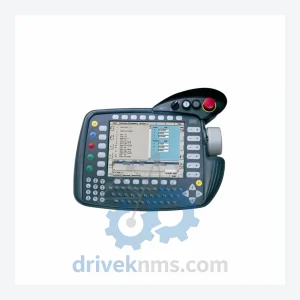
KUKA KCP2 Teach Pendant Modules
KUKA KCP2 Series: Comprehensive Module Range and Technical Overview The KUKA KCP2 (KUKA Control Panel 2) teach pendant is the…
Model: KSD1-16
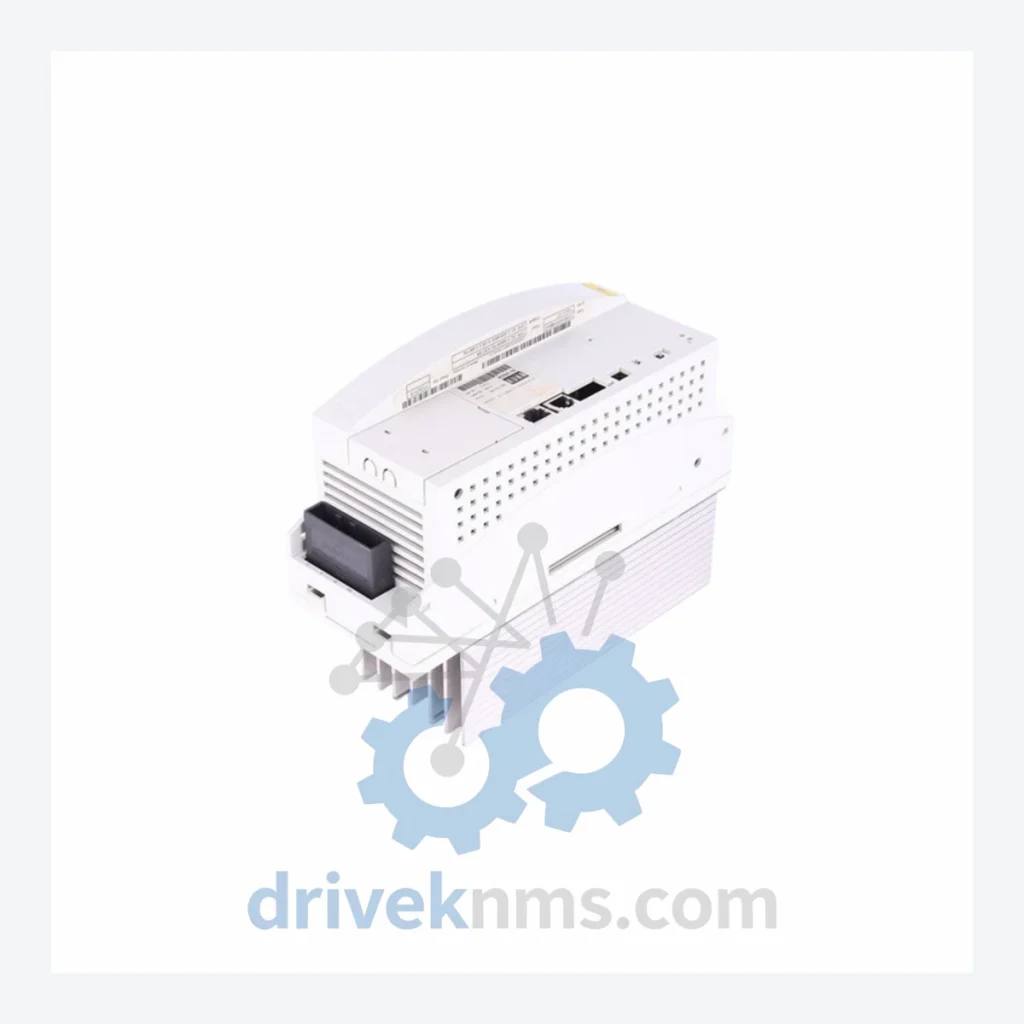
Product Overview
Commercial availability is handled through direct RFQ, model verification and export-oriented follow-up rather than public cart checkout.
Datasheet Preview
Use attached product manuals when available. If the manual is not public yet, request the full file directly through RFQ.
Commercial Path
Product pages on DRIVEKNMS are designed to verify model, brand and series first, then move the buyer into one clean quotation path.
Technical Dossier
When a KUKA KSD1-16 servo drive fails on the production floor, the clock starts immediately. This module is a confirmed discontinued component within the KUKA KSD series, and its absence does not simply mean a repair job — it means a potential forced migration of the entire robot cell. A full KUKA robot cell replacement, including mechanical integration, safety validation, and PLC reprogramming, routinely exceeds USD $200,000–$500,000 per unit. For multi-robot lines, the exposure is measured in millions. DriveKNMS maintains verified physical stock of the KSD1-16, providing a direct path to restoring production without triggering that capital expenditure.
| Parameter | Detail |
|---|---|
| Manufacturer | KUKA Roboter GmbH |
| Part Number | KSD1-16 |
| Series | KSD (KUKA Servo Drive) |
| Discontinuation Status | Confirmed Obsolete – No longer manufactured or supported by OEM |
| Rated Output Current | 16 A (continuous) |
| Compatible Robot Controllers | KUKA KRC1, KRC2 (early generation) |
| Compatible Robot Models | KUKA IR series, KR series (KRC1/KRC2 era) |
| Country of Origin | Germany |
| Form Factor | Modular servo amplifier, rack-mount |
Note: Electrical parameters are listed only where verified against OEM documentation. No speculative data is included. Confirm compatibility with your specific robot serial number before ordering.
The KUKA KSD1-16 was a core axis drive module deployed across KUKA KRC1 and early KRC2 robot controllers throughout the 1990s and 2000s. These controllers remain operational in thousands of automotive stamping, spot welding, and material handling lines worldwide. KUKA officially discontinued support for the KRC1 platform, and the KSD series drives are no longer available through any authorized OEM channel.
The industrial reality is this: a single failed KSD1-16 does not just take one robot offline. In a synchronized multi-robot welding cell, one axis fault cascades into a full line stop. Automotive OEM production lines operating at 60 jobs-per-hour lose approximately USD $10,000–$20,000 per hour of unplanned downtime. The pressure to scrap the entire robot cell and upgrade to a KRC4 or KRC5 platform is real — but that path carries a 12–24 month capital approval cycle, a full safety re-certification, and retraining costs that most plant managers cannot absorb mid-production year.
Maintaining a physical stock of KSD1-16 units is not a workaround. It is a documented asset protection strategy that extends the operational life of a proven, fully depreciated automation asset by 5 to 10 years. The math is straightforward: the cost of three spare KSD1-16 drives is a fraction of one week of downtime, and an order of magnitude less than a robot cell replacement project.
Every KSD1-16 unit processed by DriveKNMS passes a structured 5-step inspection protocol before it is offered for sale. This protocol is designed specifically for aging servo drive hardware where latent failure modes are the primary risk:
Q: What warranty applies to an obsolete part like the KSD1-16?
A: DriveKNMS provides a 90-day functional warranty on all inspected and tested units. Warranty terms are confirmed in writing at the time of order. New-in-box (NIB) units, where available, carry extended terms — contact us to confirm current stock condition.
Q: How do I know the unit is genuine and not a counterfeit?
A: All units are sourced through documented industrial channels — decommissioned plant equipment, authorized surplus dealers, and verified distributor stock. KUKA part markings, PCB revision codes, and serial number formats are cross-checked during intake inspection. We do not source from unverified grey-market aggregators.
Q: Should I buy more than one unit?
A: For any plant operating two or more KUKA robots on KRC1 or KRC2 controllers, holding a minimum of two KSD1-16 spares on-site is a defensible maintenance strategy. The KSD1-16 is no longer manufactured. Each unit that leaves the secondary market permanently reduces available supply. Procurement decisions made today directly determine your options during the next unplanned failure event.
Q: Can DriveKNMS source other KSD series variants?
A: Yes. DriveKNMS specializes in obsolete and hard-to-find industrial automation components across multiple brands. Contact us with your full part number and required quantity.
© 2026 DriveKNMS. Status: DRAFT
Related Paths
KUKA KCP2 Series: Comprehensive Module Range and Technical Overview The KUKA KCP2 (KUKA Control Panel 2) teach pendant is the…
KUKA KCP2 VKCP2 Robot Control Panel: Sourcing Strategy & Asset Return Value in a Constrained Global Supply Chain The KUKA…
KUKA KVGA Series: Comprehensive Module Range and Technical Overview The KUKA KVGA (KRC Video Graphics Adapter) series is a family…