
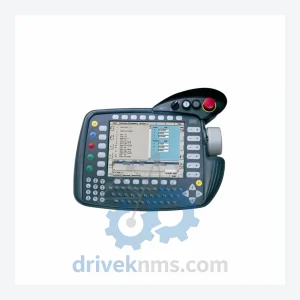
KUKA KCP2 Teach Pendant Modules
KUKA KCP2 Series: Comprehensive Module Range and Technical Overview The KUKA KCP2 (KUKA Control Panel 2) teach pendant is the…
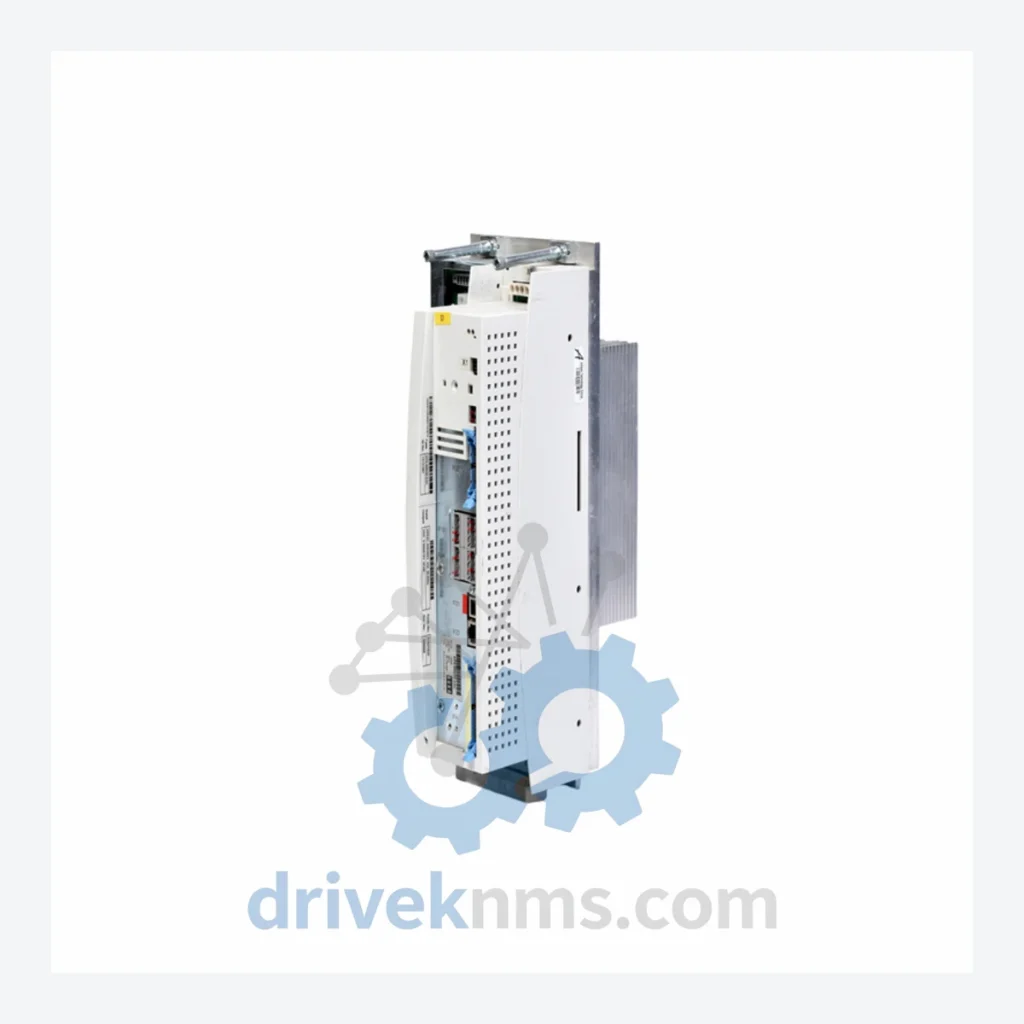
Model: KPS-600/20-ESC
Product Overview
Commercial availability is handled through direct RFQ, model verification and export-oriented follow-up rather than public cart checkout.
Datasheet Preview
Use attached product manuals when available. If the manual is not public yet, request the full file directly through RFQ.
Commercial Path
Product pages on DRIVEKNMS are designed to verify model, brand and series first, then move the buyer into one clean quotation path.
Technical Dossier
When a KUKA KPS-600/20-ESC fails on the production floor, the clock starts immediately. This module is the primary power supply unit for KUKA KR C2 and KR C3 robot controllers — a generation of industrial robots that remains deeply embedded in automotive body shops, foundries, and heavy-fabrication lines worldwide. KUKA discontinued the KR C2 controller platform, and with it, the supply chain for components like the KPS-600/20-ESC has contracted to near zero through official channels.
A single robot arm downtime event in an automotive stamping line can cost $10,000–$22,000 per hour in lost throughput. A full controller upgrade — hardware, software migration, end-effector recertification, and operator retraining — routinely exceeds $150,000 per unit. Against that backdrop, a verified replacement KPS-600/20-ESC is not a maintenance expense. It is capital asset protection.
DriveKNMS maintains physical stock of this module sourced through controlled industrial decommissioning channels. Inventory is finite and not replenishable through standard distribution.
| Parameter | Detail |
|---|---|
| Part Number | KPS-600/20-ESC |
| Manufacturer | KUKA Roboter GmbH |
| Country of Origin | Germany |
| Function | Primary power supply unit for KR C2 / KR C3 robot controller cabinet |
| Compatible Controllers | KUKA KR C2, KR C2 ed05, KR C3 |
| Compatible Robot Series | KUKA KR 6, KR 16, KR 30, KR 60, KR 100, KR 150, KR 200 (KR C2 variants) |
| Discontinuation Status | Discontinued – no longer available through KUKA or authorized distributors |
| Condition Available | New Old Stock (NOS) / Professionally Refurbished |
Note: Electrical parameters such as input voltage range, output rails, and current ratings are verified during our QA process and provided upon request with the inspection report. No unverified specifications are published.
The KUKA KR C2 controller was the dominant platform in industrial robotics from the late 1990s through the mid-2010s. Hundreds of thousands of units were installed globally. The platform's discontinuation did not retire those robots — it simply ended the manufacturer's obligation to supply parts.
The KPS-600/20-ESC sits at the center of the controller's power architecture. It conditions incoming mains power and distributes regulated DC rails to the controller's CPU board, drive amplifiers, and safety circuits. There is no field-repairable substitute and no cross-compatible replacement from the current KR C4 or KR C5 platform without a full controller swap.
Facilities that operate KUKA KR C2-based cells face a binary choice when this module fails: source a replacement unit or commit to a controller modernization project. For plants running 10, 20, or 50 such robots, the modernization path is a multi-year capital program. Sourcing a verified KPS-600/20-ESC extends the operational life of the entire cell by years — at a fraction of the cost.
This is the core logic behind strategic spare parts holding for legacy automation assets. A single KPS-600/20-ESC on the shelf converts an unplanned multi-week downtime event into a same-shift repair.
Obsolete modules sourced outside the original supply chain carry real risk. DriveKNMS applies a 5-step inspection protocol before any KPS-600/20-ESC unit is offered for sale:
Each unit ships with a written inspection summary. Units that do not pass all five steps are not sold.
Q: What warranty applies to an obsolete part like the KPS-600/20-ESC?
A: DriveKNMS provides a 90-day warranty covering functional failure under normal operating conditions. Warranty terms are confirmed in writing at the time of sale.
Q: How do I know the unit is genuine and not a counterfeit?
A: All units are sourced from decommissioned KUKA-equipped facilities or verified industrial surplus channels. KUKA part markings, revision labels, and board silk-screen identifiers are inspected and documented. Inspection photos are available upon request before purchase.
Q: Should I buy more than one unit?
A: For facilities operating multiple KR C2 cells, holding a minimum of one spare KPS-600/20-ESC per production line is a defensible maintenance strategy. The cost of a second unit is negligible relative to the downtime cost of a second failure event with no spare available. Stock is not guaranteed to remain available — this is a finite, non-replenishable item.
Q: Can this unit be used with the KUKA KR C4 controller?
A: No. The KPS-600/20-ESC is specific to the KR C2 and KR C3 controller architecture. It is not compatible with KR C4 or later platforms.
Q: What is the lead time?
A: In-stock units ship within 2–5 business days after order confirmation and payment. Contact us to confirm current availability before placing an order.
© 2026 DriveKNMS. Status: DRAFT
Related Paths
KUKA KCP2 Series: Comprehensive Module Range and Technical Overview The KUKA KCP2 (KUKA Control Panel 2) teach pendant is the…
KUKA KCP2 VKCP2 Robot Control Panel: Sourcing Strategy & Asset Return Value in a Constrained Global Supply Chain The KUKA…
KUKA KVGA Series: Comprehensive Module Range and Technical Overview The KUKA KVGA (KRC Video Graphics Adapter) series is a family…