
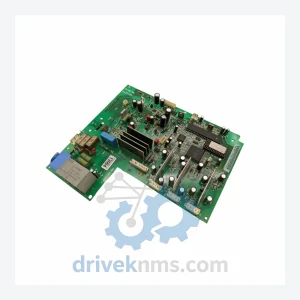
ABB SNAT-7120 Circuit Board – SNAZ7120J Series
ABB SNAT-7120 / SNAZ7120J Circuit Board: Sourcing Strategy & Asset Return Value in a Constrained Global Supply Chain The ABB…
Model: TPSTU02
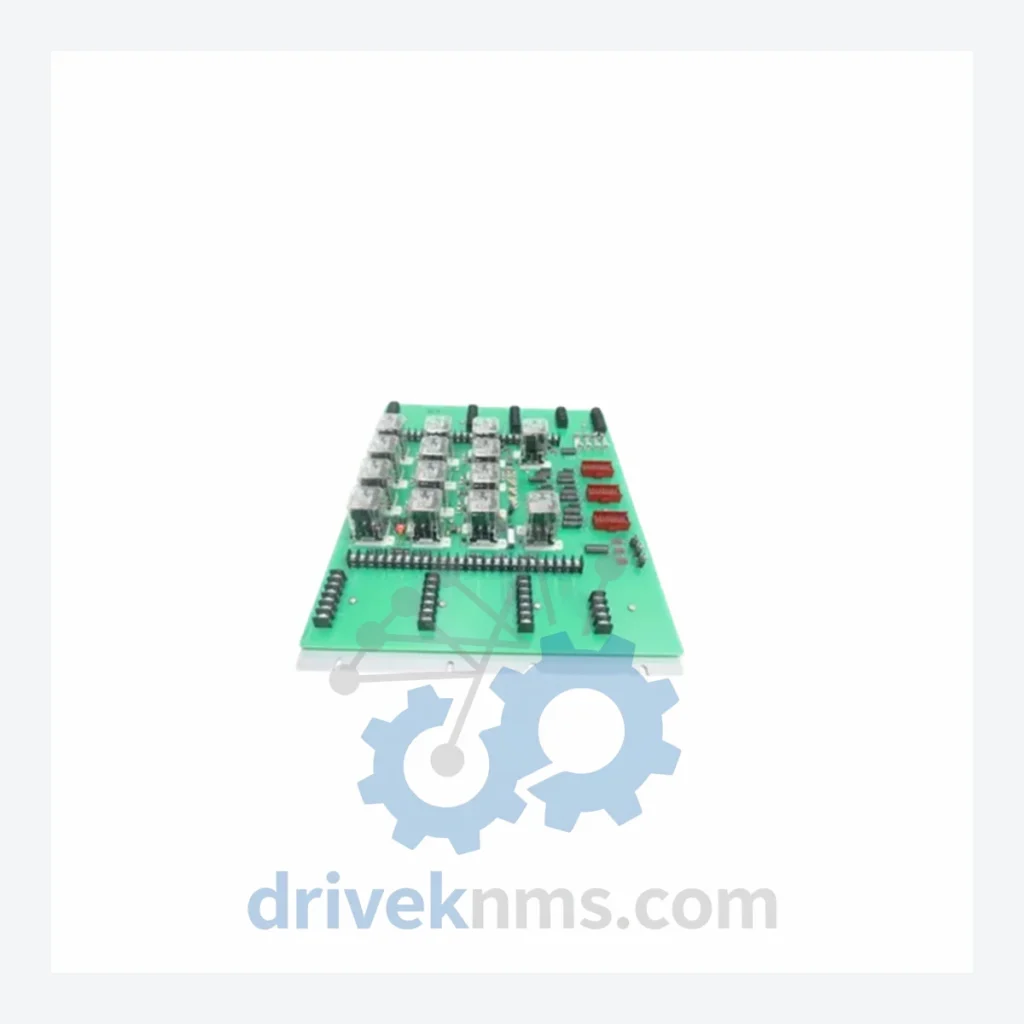
Product Overview
Commercial availability is handled through direct RFQ, model verification and export-oriented follow-up rather than public cart checkout.
Datasheet Preview
Use attached product manuals when available. If the manual is not public yet, request the full file directly through RFQ.
Commercial Path
Product pages on DRIVEKNMS are designed to verify model, brand and series first, then move the buyer into one clean quotation path.
Technical Dossier
The ABB TPSTU series is a dedicated line of turbine protection and supervisory modules deployed within ABB's Symphony Plus (S+) distributed control architecture. These modules are installed across critical rotating-equipment applications in petrochemical refineries, combined-cycle power plants, nuclear auxiliary systems, and offshore gas compression platforms. The TPSTU range interfaces directly with ABB's AC 800M controller backbone and the S800 I/O bus, providing deterministic overspeed protection, vibration monitoring, and shaft eccentricity measurement in environments where SIL 2 / SIL 3 functional safety compliance is mandatory. Global installed base spans facilities operated by ExxonMobil, Shell, BASF, and major state-owned utilities across Europe, the Middle East, and Asia-Pacific.
The TPSTU lineage originates from ABB's Procontrol P13/P14 turbine supervisory platforms of the early 1990s, which used discrete analog signal conditioning boards with proprietary backplane communication. The transition to the Symphony Plus framework (circa 2005–2008) introduced the TPSTU form factor: a 19-inch rack-mounted module communicating over the S800 Modulebus at 12 Mbit/s, replacing point-to-point wiring with structured fieldbus topology.
First-generation TPSTU modules (TPSTU01) supported up to 4 speed/phase inputs with 4–20 mA analog output. The TPSTU02 revision added dual-channel redundancy for speed measurement and extended the diagnostic register set accessible via PROFIBUS DP. Subsequent variants (TPSTU03, TPSTU04) introduced IEC 61511 SIL 2 certification documentation and expanded the eccentricity measurement range to ±2 mm. The current production baseline (TPSTU05 and above) supports HART pass-through and integrates with ABB Ability™ Asset Monitor for predictive maintenance data streaming.
Compatibility note: TPSTU01 and TPSTU02 modules require firmware version 3.x on the AC 800M controller. Upgrading the controller to firmware 5.x without replacing legacy TPSTU modules will cause Modulebus timeout faults. Cross-generation backplane compatibility is maintained only within the same major hardware revision bracket.
The following SKUs represent the verified production and field-service catalog for the ABB TPSTU series. Each entry reflects a distinct hardware revision or functional variant confirmed in ABB technical bulletins and spare parts databases.
Controllers & Processing Units
I/O Modules
Communication & Adapter Modules
Power Supply Modules
ABB formally discontinued first- and second-generation TPSTU modules (TPSTU01 through TPSTU04) from active production. Standard ABB service contracts no longer cover hardware replacement for these variants; end-of-life notices were issued between 2018 and 2022. However, the installed base at long-lifecycle facilities — nuclear auxiliary systems, baseload steam turbines, and offshore platforms with 20–30 year operational horizons — creates sustained demand for exact-replacement hardware.
DriveKNMS maintains a dedicated inventory of tested TPSTU legacy modules sourced from decommissioned plant equipment, authorized surplus channels, and factory-refurbished stock. Each unit undergoes functional verification against the original ABB factory acceptance test criteria before dispatch. For facilities operating under IEC 61511 management-of-change requirements, DriveKNMS provides full traceability documentation including serial number records, test reports, and firmware version confirmation to support safety case updates.
TPSTU modules incorporate a multi-layer backplane bus architecture that requires specialized test procedures beyond standard power-on verification. DriveKNMS applies the following protocol to all TPSTU units prior to shipment:
Related Paths
ABB SNAT-7120 / SNAZ7120J Circuit Board: Sourcing Strategy & Asset Return Value in a Constrained Global Supply Chain The ABB…
ABB AC500 Series: Comprehensive Module Range and Technical Overview The ABB AC500 is a scalable modular PLC platform deployed across…
ABB SCDCS-CON-4 Control Board – Obsolete DCS Spare Part When a single control board fails in a legacy distributed control…