
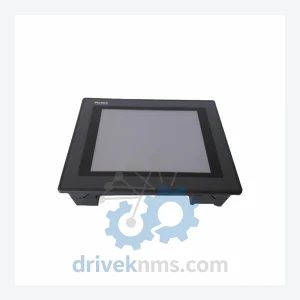
Pro-face GP570 Series Operator Panels: GP570-TC11
Pro-face GP570 Series: Comprehensive Module Range and Technical Overview The Pro-face GP570 series is a line of industrial Human-Machine Interface…
Model: PFXGP4501TAD
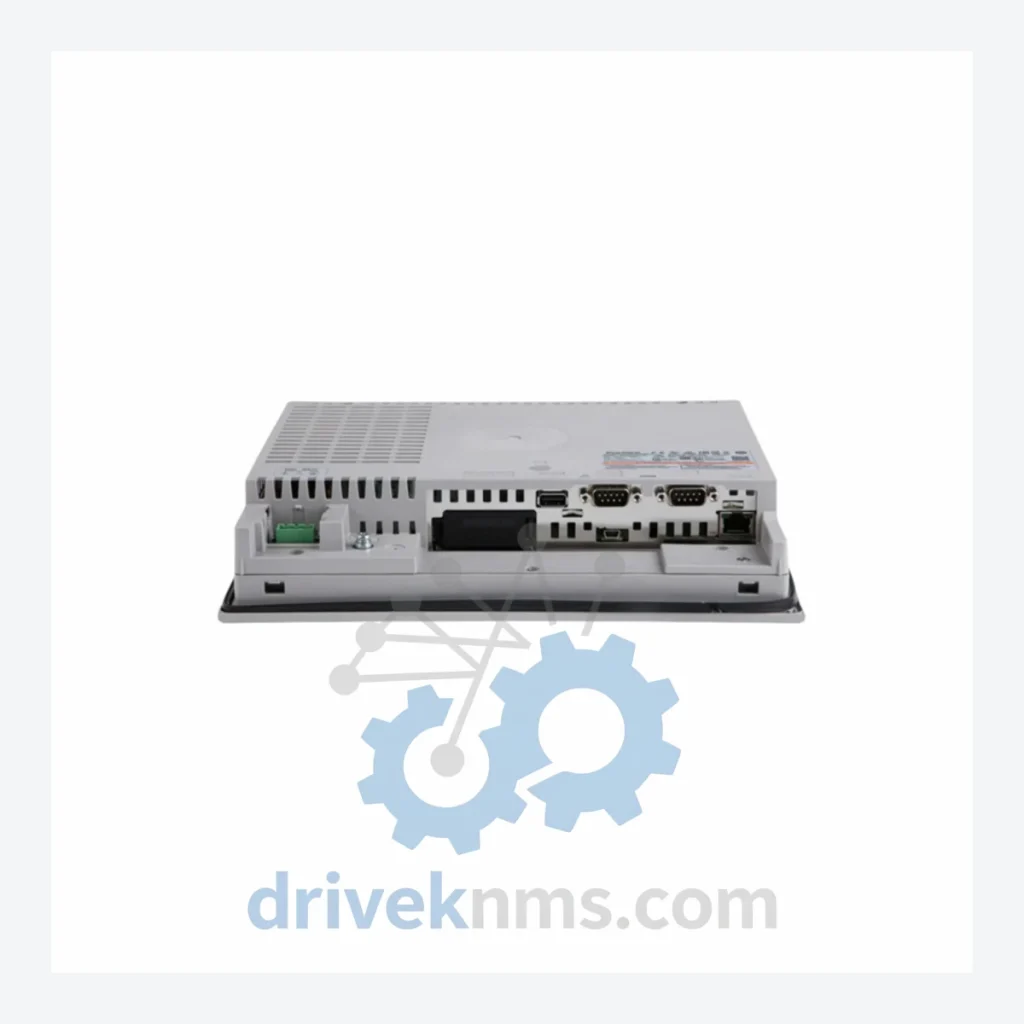
Product Overview
Commercial availability is handled through direct RFQ, model verification and export-oriented follow-up rather than public cart checkout.
Datasheet Preview
Use attached product manuals when available. If the manual is not public yet, request the full file directly through RFQ.
Commercial Path
Product pages on DRIVEKNMS are designed to verify model, brand and series first, then move the buyer into one clean quotation path.
Technical Dossier
When a Pro-face PFXGP4501TAD fails on the production floor, the consequences extend far beyond a single panel replacement. This unit is the operator interface backbone of legacy automation lines built around Pro-face GP4000 series HMIs — systems that, in many facilities, have been running continuously for over a decade. Replacing the entire control architecture to accommodate a modern HMI requires PLC reprogramming, new communication protocol mapping, operator retraining, and in many cases, a full line shutdown measured in weeks, not days. Conservative estimates place such upgrade projects at USD $200,000–$800,000 per line, excluding lost production revenue. DriveKNMS holds verified stock of the PFXGP4501TAD. Securing a spare now is not a procurement decision — it is an asset protection decision.
| Parameter | Detail |
|---|---|
| Part Number | PFXGP4501TAD |
| Brand | Pro-face (Schneider Electric) |
| Series | GP4000 Series |
| Product Type | HMI Touch Panel (Operator Interface Terminal) |
| Discontinuation Status | Discontinued / End-of-Life – No longer manufactured |
| Country of Origin | Japan |
| Compatible Systems | GP4000 series-based automation lines; commonly integrated with Mitsubishi MELSEC, Omron CJ/CS series, Siemens S7-300/400, and Rockwell ControlLogix PLCs via serial or Ethernet communication |
| Communication | Serial RS-232C / RS-422/485; Ethernet (model-dependent — verify against your existing configuration) |
| Note on Parameters | Detailed electrical specifications vary by sub-revision. Confirm against your original panel nameplate before installation. |
The GP4000 series was deployed extensively in automotive assembly, food processing, pharmaceutical packaging, and chemical plant environments throughout the 2000s and 2010s. Pro-face officially discontinued multiple GP4000 variants, and authorized distribution channels have been dry for years. The PFXGP4501TAD is not a commodity item — it is a precision operator interface with proprietary firmware, a specific touch matrix calibration, and communication drivers that are deeply embedded in the SCADA and PLC logic of the lines it serves.
Facilities that have attempted to substitute a modern replacement panel without a full engineering review have encountered protocol incompatibilities, screen resolution mismatches that break existing GP-PRO/PB III project files, and communication timeouts that trigger safety shutdowns. The engineering cost of resolving these issues routinely exceeds the cost of sourcing an original spare by a factor of 20 to 50. For plant managers operating under capital expenditure constraints, the calculus is straightforward: a verified original spare at current market price is the lowest-risk path to restoring production.
The PFXGP4501TAD is also a critical component in lines where the HMI communicates directly with legacy DCS environments. Facilities running older distributed control architectures — where the HMI serves as the sole operator window into process variables — face complete operational blindness if this panel fails without a replacement on hand.
DriveKNMS applies a 5-step quality assurance process to all obsolete HMI units before shipment:
For plant managers facing pressure to retire aging automation infrastructure, the financial case for targeted spare parts investment is often underestimated. A GP4000-based line that has been fully amortized represents pure production capacity at near-zero capital cost. The decision to retire it is rarely driven by performance — it is driven by the inability to source replacement components when failures occur.
A structured approach to legacy system life extension involves three actions: first, conduct a criticality audit of every HMI, I/O module, and communication card on the line and identify which items are discontinued or have fewer than 12 months of distributor stock remaining. Second, establish a bonded spare inventory for the top-tier critical items — typically 1–2 units per model per line. Third, document the firmware versions and project file backups for every HMI on site, stored offline and version-controlled. These three steps, executed once, can extend the operational life of a fully depreciated automation asset by 5 to 10 years with no capital expenditure beyond the spare parts themselves. The alternative — a forced upgrade triggered by an unplanned failure — carries a cost that no maintenance budget is designed to absorb.
Q: What warranty applies to obsolete parts?
A: DriveKNMS provides a 90-day warranty covering functional defects identified under normal operating conditions. Units that fail our 5-step QA process are not offered for sale.
Q: How do I know the unit is genuine and not counterfeit?
A: All units are sourced through verified industrial channels. Serial numbers are documented and available upon request. We do not source from unverified secondary markets.
Q: Are these new or refurbished units?
A: Stock condition varies. We clearly disclose whether a unit is new-old-stock (NOS), factory-refurbished, or professionally reconditioned. Condition is confirmed in writing before invoice.
Q: Should I buy more than one unit?
A: For any line where this panel is the sole operator interface, holding at least one cold spare is standard risk management practice. For multi-line facilities, a shared pool of two units is a reasonable minimum.
Q: Can you source additional units if I need more?
A: Contact us with your quantity requirement. We maintain sourcing networks for obsolete industrial components and can advise on availability timelines.
Related Paths
Pro-face GP570 Series: Comprehensive Module Range and Technical Overview The Pro-face GP570 series is a line of industrial Human-Machine Interface…
Pro-face GP4000 Series: Comprehensive Module Range and Technical Overview The Pro-face GP4000 Series is a line of industrial programmable operator…
Pro-face AGP3600 Series: Comprehensive Module Range and Technical Overview The Pro-face AGP3600 series is a line of industrial Human-Machine Interface…