
Yaskawa YPHT11014-1A Circuit Board – Obsolete Drive Control Spare Part
Yaskawa YPHT11014-1A Circuit Board – Obsolete Drive Control Spare Part When a Yaskawa YPHT11014-1A circuit board fails in a production…
Model: YPCT31346-1C
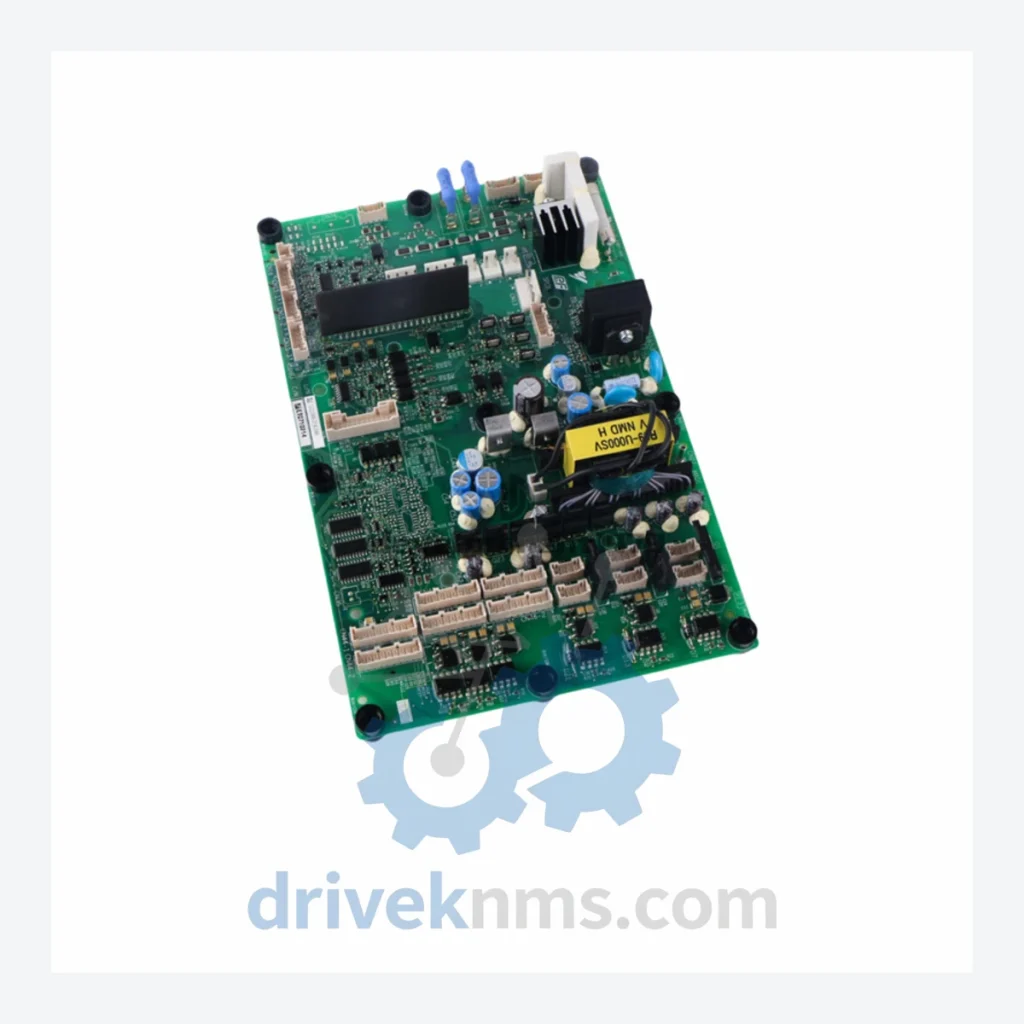
Product Overview
Commercial availability is handled through direct RFQ, model verification and export-oriented follow-up rather than public cart checkout.
Datasheet Preview
Use attached product manuals when available. If the manual is not public yet, request the full file directly through RFQ.
Commercial Path
Product pages on DRIVEKNMS are designed to verify model, brand and series first, then move the buyer into one clean quotation path.
Technical Dossier
When a drive board fails inside a Yaskawa G7 series inverter, the clock starts immediately. A full drive replacement—if a compatible unit can even be sourced—runs from $8,000 to $25,000 USD per unit. Factor in unplanned downtime, engineering re-commissioning, parameter re-entry, and the cascading disruption to production scheduling, and the real cost of a single board failure on a legacy line can exceed $100,000 USD before the week is out. The YPCT31346-1C is the control board at the center of that risk. DriveKNMS holds verified physical stock of this discontinued component. This is not a catalog listing—it is a confirmed inventory position on a part that Yaskawa no longer manufactures.
| Parameter | Detail |
|---|---|
| Part Number | YPCT31346-1C |
| Manufacturer | Yaskawa Electric Corporation |
| Series | G7 (CIMR-G7 Series) |
| Component Type | Inverter Control / Drive Board (PCB Assembly) |
| Country of Origin | Japan |
| OEM Status | Discontinued / Obsolete – No longer in Yaskawa active production |
| Compatibility | Yaskawa CIMR-G7 series variable frequency drives |
| Application | Industrial motor speed control, HVAC, pump, fan, and conveyor drive systems |
Note: Electrical parameters such as voltage ratings and current specifications vary by the specific G7 drive frame size this board is installed in. DriveKNMS does not publish unverified electrical data. Contact us with your full drive model number for compatibility confirmation.
The Yaskawa G7 series was a workhorse of industrial automation through the 2000s and early 2010s. Installed across water treatment plants, steel mills, chemical processing facilities, and large-scale HVAC systems worldwide, these drives were engineered for 15–20 year service lives. Many are still running. The problem is that Yaskawa's active support and component supply for the G7 line has wound down, and the YPCT31346-1C control board is no longer available through standard distribution channels.
For plant managers operating these systems, the options narrow quickly once a board fails: absorb the cost of a full drive replacement (and the re-engineering that follows), attempt a cross-brand substitution that may require motor parameter recalibration and new cabling, or source the original board from a specialist supplier with verified stock. The third option preserves the existing installation, avoids engineering change orders, and keeps the line running on a known-good configuration. That is the function DriveKNMS serves.
Facilities running Yaskawa G7 drives in parallel with legacy PLCs or SCADA systems—particularly older Siemens S5/S7 configurations or Mitsubishi A-series controllers—face compounded risk. A drive board failure in these environments does not just stop a motor; it can disrupt an entire coordinated control loop that was never designed to accommodate a modern replacement drive's communication protocol. Maintaining the original hardware is not conservatism—it is the operationally sound decision.
DriveKNMS applies a structured 5-step inspection protocol to all obsolete drive boards before shipment:
Stock condition is disclosed accurately at the time of quotation: new surplus (sealed OEM packaging), tested pulls from decommissioned equipment, or professionally refurbished units are each identified separately. No board ships without passing Steps 1–4 at minimum.
The economic case for maintaining aging automation equipment rather than replacing it is well established in facilities management, but it requires a deliberate spares strategy. The following approach applies directly to facilities operating Yaskawa G7 drives:
Audit your installed base. Identify every G7 drive on site, its frame size, and the specific board assemblies it contains. The YPCT31346-1C is one of several boards in the G7 assembly; a complete spares audit should cover the gate driver board, power supply board, and any option cards in use.
Prioritize by criticality. Not every drive carries the same production risk. Drives on critical process lines—those where a failure causes an immediate production stop—should have at least one spare board on the shelf. Drives on redundant or non-critical circuits can be managed on a reactive basis.
Source while stock exists. Obsolete component availability is not stable. Distributor stock of discontinued boards depletes over time and is not replenished. The window to source YPCT31346-1C boards at reasonable cost is finite. Facilities that wait until a failure occurs often face premium pricing, extended lead times, or no availability at all.
Document your configuration. Before any maintenance event, record all drive parameters using Yaskawa's DriveWizard software or equivalent. This protects against data loss during any board-level service and accelerates recommissioning.
A disciplined spares program for G7 drives can realistically extend the productive service life of the installed base by 5 to 10 years beyond the point at which OEM support ends—at a total cost that is a small fraction of a full system replacement.
Q: What warranty applies to an obsolete part like the YPCT31346-1C?
A: DriveKNMS provides a 90-day warranty against defects in material and workmanship on all shipped parts. Warranty terms for refurbished units are confirmed in writing at the time of sale. New surplus units carry the same 90-day coverage.
Q: How do I know the board is genuine Yaskawa and not a counterfeit?
A: All boards are inspected for OEM markings, PCB revision codes, and component sourcing consistency. DriveKNMS does not handle third-party manufactured substitutes for this part number. Provenance documentation is available on request for units sourced from decommissioned OEM equipment.
Q: Can you supply multiple units for a strategic spares holding?
A: Quantity availability is confirmed at the time of inquiry. For facilities seeking to build a spares buffer, contact us directly to discuss current stock levels and lead times for additional units.
Q: What if my drive has a different revision of this board?
A: Revision compatibility across G7 drive production runs should be verified before ordering. Provide your full drive model number (CIMR-G7XXXX) and existing board revision marking when contacting us, and we will confirm compatibility before shipment.
Q: Do you ship internationally?
A: Yes. DriveKNMS ships to industrial customers globally. Export documentation and customs classification support is available for international orders.
Related Paths
Yaskawa YPHT11014-1A Circuit Board – Obsolete Drive Control Spare Part When a Yaskawa YPHT11014-1A circuit board fails in a production…
Yaskawa YPCT11065-1-3 Circuit Board – Obsolete Varispeed Series Spare Part When a circuit board like the YPCT11065-1-3 fails inside a…
Yaskawa SGMG Series: Comprehensive Module Range and Technical Overview The Yaskawa SGMG series represents one of the most widely deployed…