
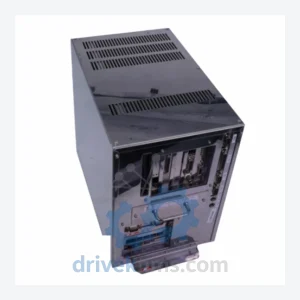
Tokyo Electron 2986 Series Modules | TEL 2986-411806-11
Tokyo Electron (TEL) 2986 Series: Comprehensive Module Range and Technical Overview The Tokyo Electron (TEL) 2986 Series represents a core…
Model: E2B119-12/86MC E281-005036-12
Product Overview
Commercial availability is handled through direct RFQ, model verification and export-oriented follow-up rather than public cart checkout.
Datasheet Preview
Use attached product manuals when available. If the manual is not public yet, request the full file directly through RFQ.
Commercial Path
Product pages on DRIVEKNMS are designed to verify model, brand and series first, then move the buyer into one clean quotation path.
Technical Dossier
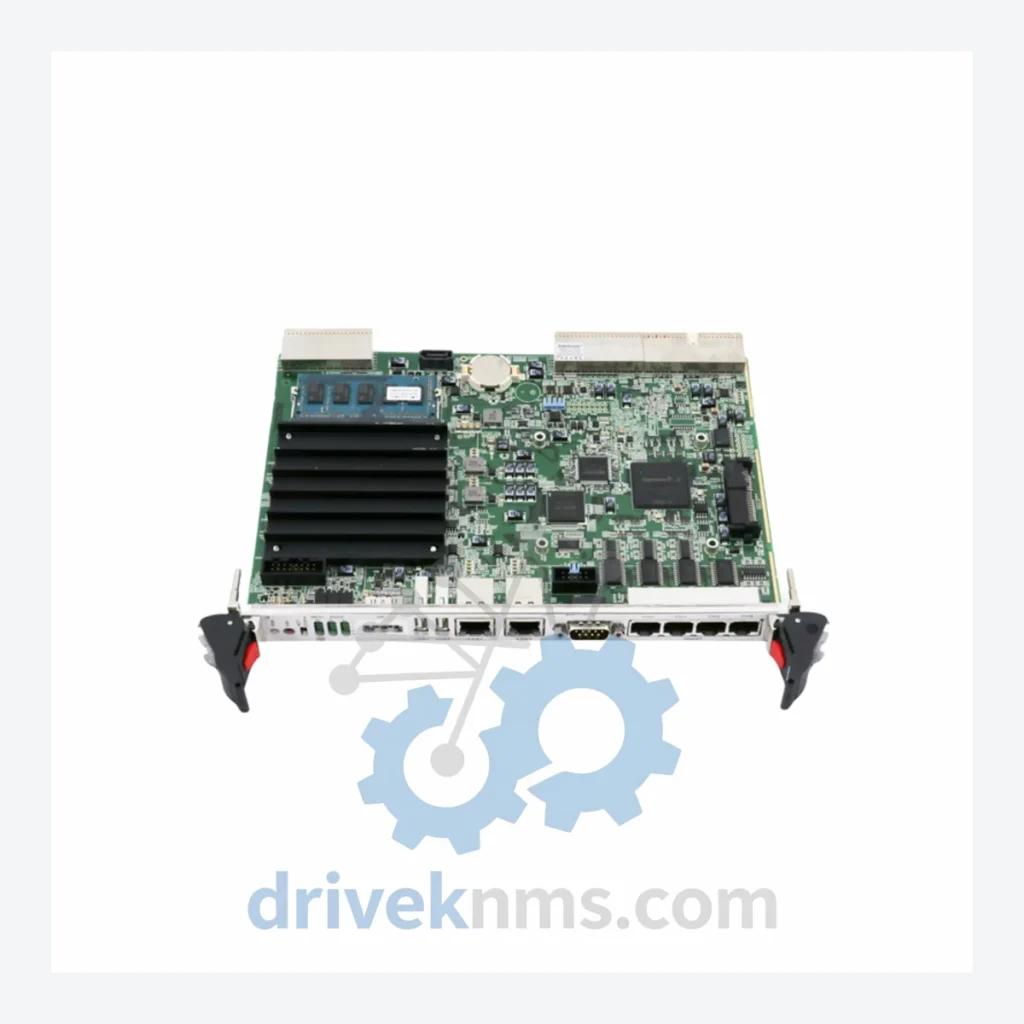
The Tokyo Electron (TEL) E2B119 series represents a core control and I/O architecture deployed across semiconductor fabrication equipment, chemical vapor deposition (CVD) systems, and etch process tools in high-criticality industrial environments including petrochemical plants, semiconductor fabs, and advanced manufacturing facilities. TEL equipment utilizing E2B119-series boards is installed across major production sites in Japan, South Korea, Taiwan, and the United States, making this series one of the most widely referenced legacy control platforms in the semiconductor equipment aftermarket. The E2B119 platform operates as the central processing and signal routing backbone within TEL's proprietary equipment control architecture, interfacing directly with process chambers, gas delivery systems, and RF power subsystems.
The E2B119 series was introduced as part of TEL's second-generation embedded control platform, succeeding earlier discrete logic boards used in Trias and Thermal CVD systems. The architecture transitioned from passive backplane designs to active bus-driven CPU boards, enabling higher-speed process data acquisition and real-time fault detection. The E2B119-12 sub-series introduced a 12-slot backplane configuration with enhanced memory addressing, supporting the 86MC processor variant (E2B119-12/86MC) which became the standard CPU board across multiple TEL tool generations including the TEL Mark 8, Trias-II, and Alpha-8S platforms.
The E281-005036-12 board revision introduced revised firmware ROM addressing and improved EMI shielding on the bus interface layer, a direct response to field reports of communication errors in high-RF environments. As TEL transitioned to Windows-based recipe management systems in the early 2000s, the E2B119 architecture entered a maintenance phase. New tool generations (TEL Tactras, Triase+) adopted entirely different control platforms, rendering the E2B119 series a legacy-only component. The installed base, however, remains substantial, and replacement boards continue to be sourced for life extension programs at fabs operating older tool fleets.
The following SKUs represent verified components within the TEL E2B119 control platform ecosystem. Each entry reflects a distinct functional role within the system architecture:
E2B119-12/86MC E281-005036-12: Main CPU board, 12-slot, 86MC processor, Rev-12 firmware ROM, primary process controller for TEL CVD/etch tools.
E2B119-12/86MC E281-005036-10: CPU board, earlier Rev-10 firmware variant, compatible with Mark 8 and Trias-II platforms.
E2B119-12/86MC E281-005036-08: CPU board, Rev-08, initial production release, limited memory addressing range.
E2B119-08/86MC E281-005020-12: CPU board, 8-slot backplane variant, reduced I/O capacity, used in compact TEL tool configurations.
E2B120-12 E281-005040-06: Digital input module, 32-channel DI, 24VDC logic, backplane-mounted, E2B119 system compatible.
E2B121-12 E281-005041-06: Digital output module, 32-channel DO, relay-isolated outputs, process interlock control.
E2B122-12 E281-005042-04: Analog input module, 16-channel AI, 4–20mA / 0–10V selectable, process sensor interface.
E2B123-12 E281-005043-04: Analog output module, 8-channel AO, 0–10V, MFC (mass flow controller) setpoint output.
E2B124-12 E281-005044-02: Serial communication adapter, RS-232/RS-485 dual-port, recipe data and host interface.
E2B125-12 E281-005045-02: GPIB interface module, IEEE-488 bus, instrument control and data logging.
E2B126-12 E281-005046-03: Power supply module, +5VDC / ±12VDC / +24VDC regulated outputs, backplane power distribution.
E2B127-12 E281-005047-02: Watchdog and system reset module, hardware fault detection, process safety interlock.
E2B128-12 E281-005048-01: Memory expansion board, SRAM/EPROM, extended recipe and event log storage.
E2B129-12 E281-005049-02: RF interface board, RF generator enable/disable control, impedance match network interface.
E2B130-12 E281-005050-03: Temperature control module, thermocouple input, PID output, heater zone management.
E2B131-12 E281-005051-01: Backplane termination board, bus termination resistors, signal integrity maintenance for 12-slot chassis.
The E2B119 series has been out of production at Tokyo Electron for over a decade. OEM support for spare parts, firmware updates, and repair services has been discontinued. DriveKNMS maintains a dedicated inventory of tested E2B119-series boards sourced from decommissioned TEL tools, controlled equipment auctions, and direct fab surplus programs. Stock is held in anti-static, climate-controlled storage and is cataloged by part number, revision level, and functional test status.
For fabs operating life extension programs on TEL Mark 8, Trias-II, or Alpha-8S tools, DriveKNMS provides: verified replacement CPU boards (E2B119-12/86MC variants), matched revision sets for multi-board replacements, cross-reference support for identifying compatible substitute revisions, and documentation of known firmware compatibility constraints between board revisions. Inquiries for bulk lot purchases, consignment evaluation, or emergency same-day dispatch are handled directly by the technical sales team.
E2B119-series boards present specific test challenges due to their proprietary backplane bus protocol and the age-related degradation patterns common to CMOS logic ICs manufactured in the late 1980s through mid-1990s. DriveKNMS applies the following test protocol to all E2B119 boards prior to dispatch:
Each CPU board (E2B119-12/86MC variants) undergoes power-on self-test (POST) verification using a dedicated TEL-compatible backplane test fixture. Bus communication integrity is validated across all 12 backplane slots using loopback adapters. EPROM firmware is read and verified against known-good checksums for each revision level. Electrolytic capacitors on the power regulation section are inspected and replaced as a standard refurbishment step on boards manufactured before 1998. I/O modules (E2B120 through E2B131 series) are tested under simulated load conditions using calibrated signal sources and measurement equipment. All boards are subjected to a 48-hour burn-in cycle at 45°C ambient before final inspection and packaging.
Related Paths
Tokyo Electron (TEL) 2986 Series: Comprehensive Module Range and Technical Overview The Tokyo Electron (TEL) 2986 Series represents a core…
Tokyo Electron (TEL) TC600 TMU Series: Comprehensive Module Range and Technical Overview The Tokyo Electron TC600 is a cluster-tool vacuum…
Tokyo Electron (TEL) MC-31035D Series: Comprehensive Module Range and Technical Overview The Tokyo Electron MC-31035D series represents a critical subsystem…