
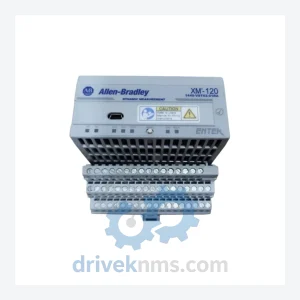
Allen-Bradley XM-120 1440-VST02-01RA Dynamic Measurement Module – XM Series
Allen-Bradley XM-120 1440-VST02-01RA is listed for XM Series RFQ review. Confirm quantity, condition and destination before quotation.
RFQ-ready industrial model
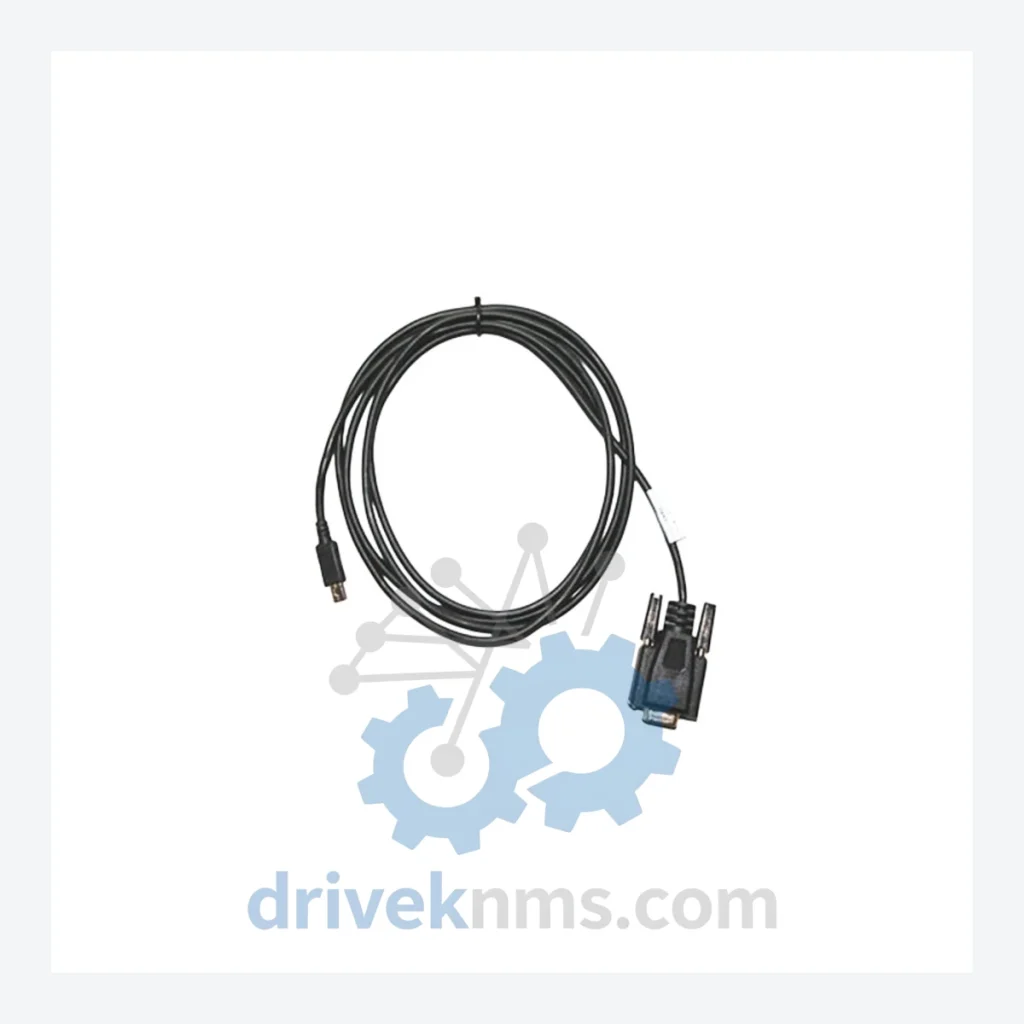
Model: 1440-SCDB9FXM2
Product Overview
Commercial availability is handled through direct RFQ, model verification and export-oriented follow-up rather than public cart checkout.
Datasheet Preview
Use attached product manuals when available. If the manual is not public yet, request the full file directly through RFQ.
Commercial Path
Product pages on DRIVEKNMS are designed to verify model, brand and series first, then move the buyer into one clean quotation path.
Technical Dossier
The Allen-Bradley XM Series, manufactured by Rockwell Automation, is a dedicated condition monitoring platform engineered for continuous, real-time machinery protection in heavy industrial environments. Deployed across petrochemical refineries, nuclear power stations, offshore platforms, and large-scale chemical processing facilities, the XM Series occupies a critical position in plant asset management infrastructure. Its modular DIN-rail architecture allows integration into existing Allen-Bradley control backbones—including ControlLogix and CompactLogix—via standard DeviceNet or EtherNet/IP communication, making it a preferred choice for facilities standardized on Rockwell Automation ecosystems. The platform monitors vibration, speed, position, temperature, and process variables simultaneously, providing the data density required for ISO 13373 and API 670 compliance in rotating machinery protection.
The XM Series was introduced by Rockwell Automation in the early 2000s as a successor to legacy vibration monitoring relay systems that lacked digital integration. The first-generation modules communicated exclusively over DeviceNet (CAN-based), limiting data throughput to 500 kbps and constraining the number of nodes per segment. This architecture was adequate for single-machine monitoring cells but created bottlenecks in large multi-train installations.
The second-generation XM architecture introduced the XM-120 and XM-220 dynamic measurement modules with expanded frequency response ranges (up to 20 kHz) and onboard DSP for waveform capture. Simultaneously, Rockwell introduced the 1440-ACNR EtherNet/IP communication adapter, enabling XM modules to report directly to PlantPAx DCS environments without a DeviceNet bridge. This transition aligned the XM Series with modern IIoT data collection requirements.
By the mid-2010s, the XM Series entered a mature/sustaining lifecycle phase. Rockwell Automation has not introduced new XM hardware generations; instead, the platform is maintained for long-term installed base support. Facilities operating XM Series hardware should note that several modules—particularly first-generation DeviceNet-only variants—are now classified as End-of-Life (EOL) by Rockwell, with no direct OEM replacement. Third-party spare parts suppliers and certified repair services represent the primary sourcing channel for these components. Compatibility between first- and second-generation XM modules on the same DIN-rail segment requires careful firmware version alignment, as mixed-generation installations can produce DeviceNet node address conflicts.
The following SKUs represent the verified Allen-Bradley XM Series module range, classified by functional category. Each entry reflects a distinct hardware configuration with unique I/O characteristics.
Dynamic Measurement Modules
Vibration Monitoring Modules
Speed & Position Modules
Temperature & Process Modules
Communication & Adapter Modules
Power Supply Modules
Relay Output Modules
Lifecycle extension services include: firmware archiving for obsolete XM module versions, repair and recalibration of dynamic measurement modules to original factory accuracy specifications, and cross-reference support for identifying compatible replacement modules where direct equivalents are unavailable.
XM Series modules present specific test challenges due to their integrated DSP hardware, precision analog front-ends, and DeviceNet/EtherNet/IP communication stacks. DriveKNMS applies the following test protocol to all XM Series units prior to shipment:
Continue The Model Path
Move from this exact model into the matching system hub, brand archive, model-family archive or lifecycle sourcing route before sending a final RFQ list.
Related Paths
Allen-Bradley XM-120 1440-VST02-01RA is listed for XM Series RFQ review. Confirm quantity, condition and destination before quotation.
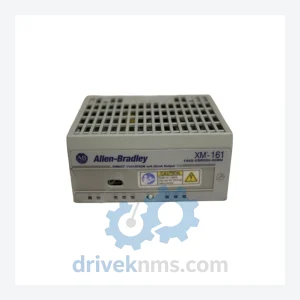
Allen-Bradley 1440-VDRS06-06RH is listed for XM Series RFQ review. Confirm quantity, condition and destination before quotation.
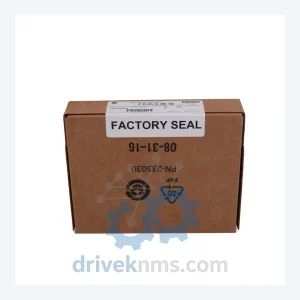
Allen-Bradley 1756-OB16E is listed for ControlLogix RFQ review. Confirm quantity, condition and destination before quotation.