
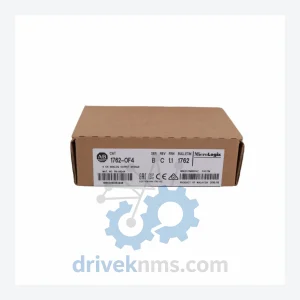
Allen-Bradley 1762-OF4 Analog Output Module – Obsolete MicroLogix Spare Part
Allen-Bradley 1762-OF4 is listed for MicroLogix RFQ review. Confirm quantity, condition and destination before quotation.
RFQ-ready industrial model
Model: 1762-IF4
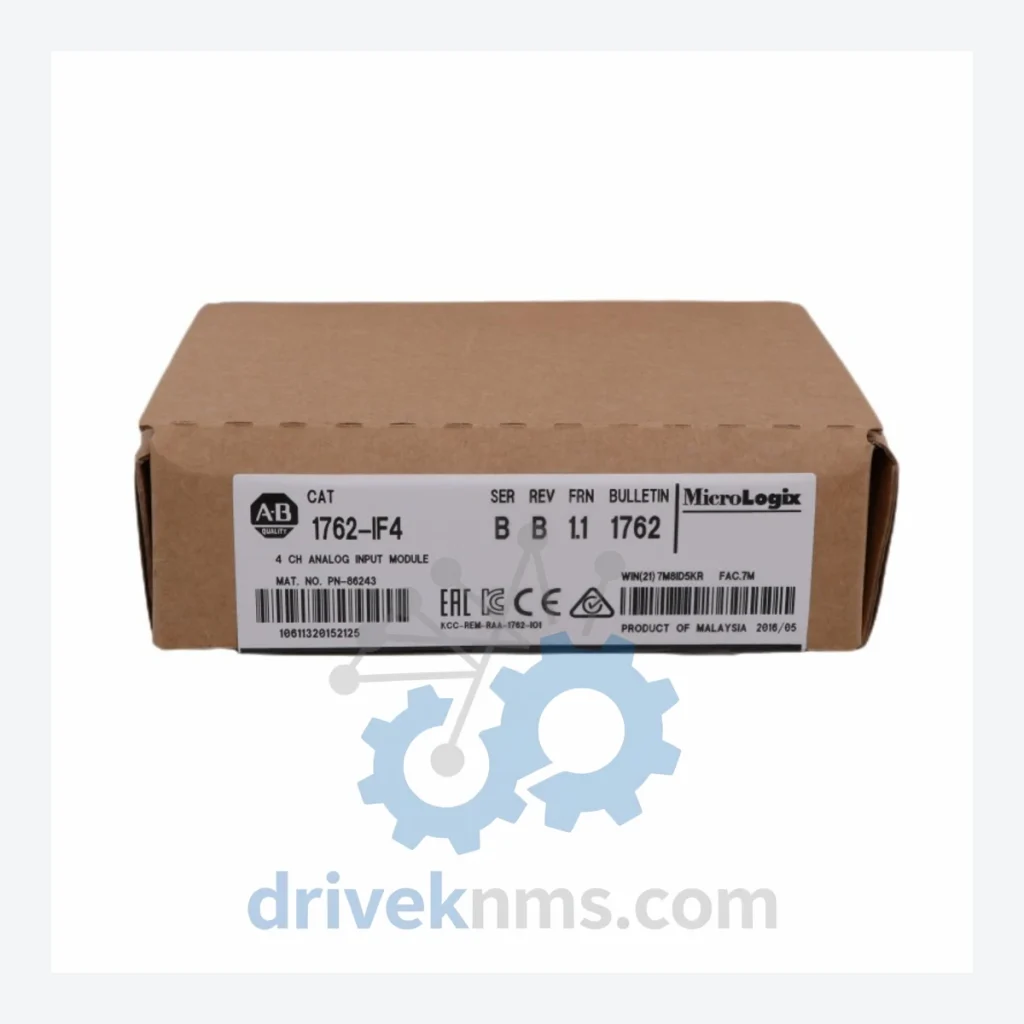
Product Overview
Commercial availability is handled through direct RFQ, model verification and export-oriented follow-up rather than public cart checkout.
Datasheet Preview
Use attached product manuals when available. If the manual is not public yet, request the full file directly through RFQ.
Commercial Path
Product pages on DRIVEKNMS are designed to verify model, brand and series first, then move the buyer into one clean quotation path.
Technical Dossier
RFQ support for obsolete parts: Send the model number, required quantity and destination so DriveKNMS can confirm sourcing options before quotation.
| Parameter | Detail |
|---|---|
| Part Number | 1762-IF4 |
| Manufacturer | Allen-Bradley (Rockwell Automation) |
| Series | MicroLogix Expansion I/O |
| Compatible Controllers | MicroLogix 1200 (1762 series), MicroLogix 1500 (1764 series) |
| Number of Input Channels | 4 (single-ended) |
| Input Signal Types | Voltage: 0–10V DC, ±10V DC; Current: 0–20mA, 4–20mA |
| Resolution | 12-bit (0–4095 counts) |
| Input Impedance (Voltage) | ≥ 1 MΩ |
| Input Impedance (Current) | 250 Ω |
| Backplane Current Draw | 40 mA at 5V DC |
| Operating Temperature | 0°C to 60°C (32°F to 140°F) |
| Dimensions (H × W × D) | 90 × 40 × 87 mm (approx.) |
| Discontinuation Status | Officially discontinued by Rockwell Automation. No longer in active production. Replacement sourcing required from secondary market. |
| Country of Origin | United States |
The MicroLogix platform — particularly the 1200 and 1500 series — was deployed extensively across discrete manufacturing, water treatment, material handling, and food processing facilities throughout the 1990s and 2000s. Many of these installations remain operational today, embedded within larger automation architectures that were never designed for modular replacement. The 1762-IF4 sits at the interface between the physical process and the controller logic: it converts real-world analog signals — temperature transmitters, pressure transducers, flow meters — into digital values the PLC can act upon. There is no software patch for a failed analog input module. When this module fails, the controller loses visibility into the process. In a regulated environment, that means a mandatory production stop.
Rockwell Automation's official guidance for end-of-life MicroLogix hardware is migration to the Micro800 or CompactLogix families. That guidance is technically sound for greenfield projects. For a facility running 24/7 with validated process logic, custom ladder programs, and integrated SCADA configurations built around MicroLogix behavior, migration is a multi-year capital project — not a maintenance response. Maintaining a strategic inventory of 1762-IF4 modules is the only operationally viable path to protecting that asset base without triggering a forced upgrade cycle.
How to extend your MicroLogix system life by 5–10 years through critical spare management:
Sourcing discontinued industrial components from unverified channels carries measurable risk. Counterfeit modules, improperly stored units, and components with undisclosed field history have caused control system failures that cost more to diagnose and remediate than a full migration would have. DriveKNMS applies a structured 5-step qualification process to every 1762-IF4 unit before it leaves our facility:
Q: How are RFQ terms confirmed?
A: Quantity, required condition, documentation needs, destination and sourcing route are confirmed during RFQ review before quotation.
Continue The Model Path
Move from this exact model into the matching system hub, brand archive, model-family archive or lifecycle sourcing route before sending a final RFQ list.
Related Paths
Allen-Bradley 1762-OF4 is listed for MicroLogix RFQ review. Confirm quantity, condition and destination before quotation.
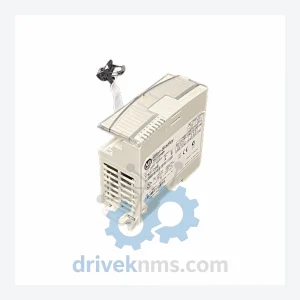
Allen-Bradley 1762-OB8 is listed for MicroLogix RFQ review. Confirm quantity, condition and destination before quotation.
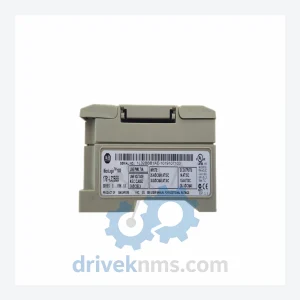
Allen-Bradley 1761-L32BBB is listed for MicroLogix RFQ review. Confirm quantity, condition and destination before quotation.