
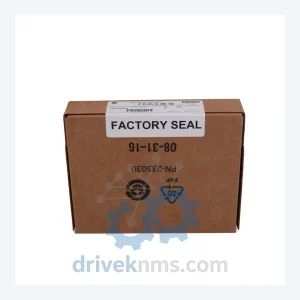
Allen-Bradley 1756-OB16E Digital Output Module – ControlLogix 16-Point Spare Part
Allen-Bradley 1756-OB16E is listed for ControlLogix RFQ review. Confirm quantity, condition and destination before quotation.
RFQ-ready industrial model
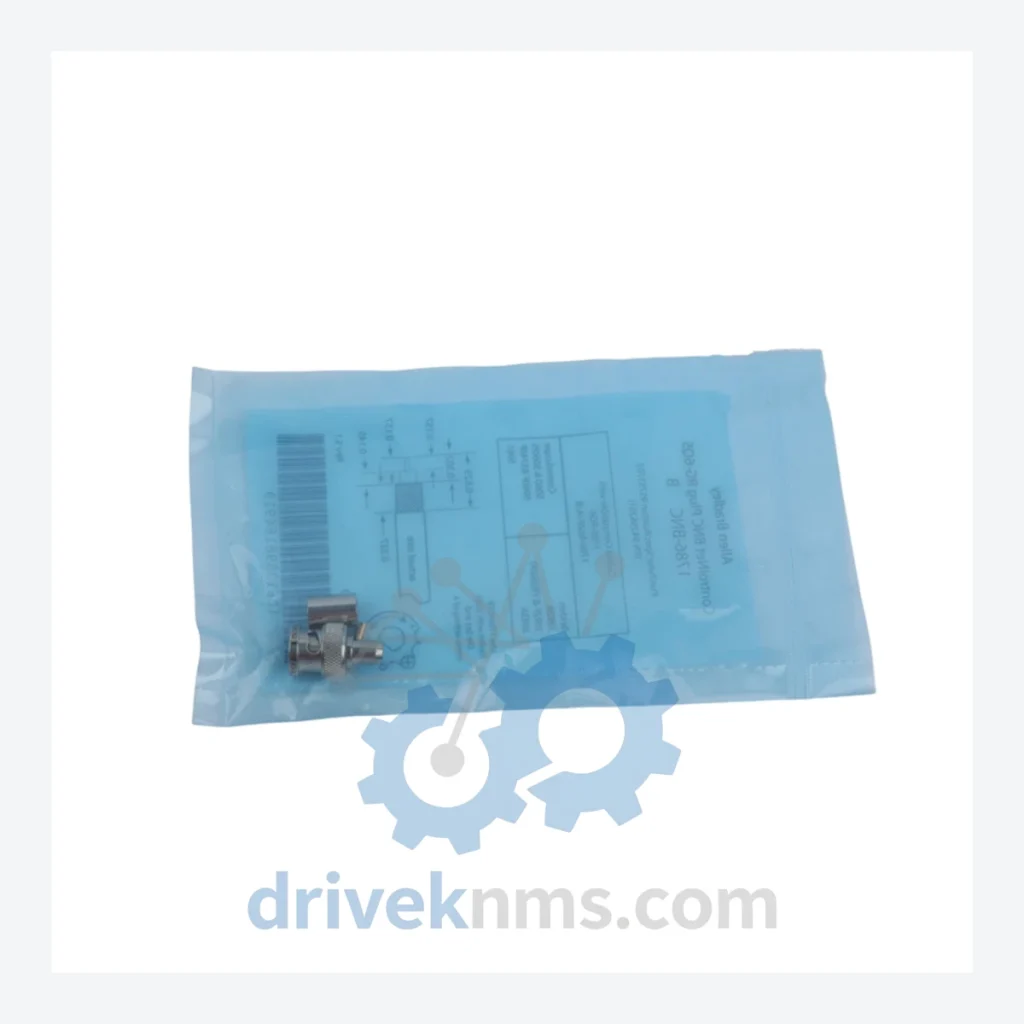
Model: 1786-BNC
Product Overview
Commercial availability is handled through direct RFQ, model verification and export-oriented follow-up rather than public cart checkout.
Datasheet Preview
Use attached product manuals when available. If the manual is not public yet, request the full file directly through RFQ.
Commercial Path
Product pages on DRIVEKNMS are designed to verify model, brand and series first, then move the buyer into one clean quotation path.
Technical Dossier
The Allen-Bradley 1786-BNC has been discontinued by Rockwell Automation. New production has ceased. For facilities still operating ControlNet-based architectures — ControlLogix systems commissioned before 2010, legacy PLC-5 ControlNet networks, or any plant where a full migration to EtherNet/IP has been deferred — sourcing genuine 1786-BNC connectors from verified secondary-market inventory is the only path that avoids a six- or seven-figure system overhaul.
DriveKNMS reviews sourcing options for this model through RFQ handling before quotation.
RFQ support for obsolete parts: Send the model number, required quantity and destination so DriveKNMS can confirm sourcing options before quotation.
| Part Number | 1786-BNC |
| Manufacturer | Allen-Bradley (Rockwell Automation) |
| Series | 1786 ControlNet |
| Product Type | ControlNet Coaxial BNC Connector |
| Connector Type | BNC (Bayonet Neill–Concelman) |
| Characteristic Impedance | 75Ω (per ControlNet coaxial media specification) |
| Compatible Cable | RG-6 coaxial cable (ControlNet trunk media) |
| OEM Status | Discontinued – No longer manufactured by Rockwell Automation |
| Country of Origin | United States |
| Compatible Systems | ControlLogix (pre-EtherNet/IP migration), PLC-5 ControlNet, SLC ControlNet |
ControlNet was Rockwell Automation's deterministic, high-speed fieldbus standard for the late 1990s and 2000s. Thousands of manufacturing facilities — automotive assembly, food and beverage, oil and gas, water treatment — built their control architectures on ControlNet backbones. The physical layer of every ControlNet segment depends on coaxial trunk cable terminated with BNC connectors. The 1786-BNC is the OEM-specified connector for this termination.
Rockwell's strategic shift to EtherNet/IP has left ControlNet infrastructure in a support vacuum. The hardware is no longer manufactured, but the installed base remains enormous. A plant manager facing a failed BNC connector has three options: source a genuine replacement, attempt a non-OEM substitute (with the associated risk of network instability), or commit to a full migration project that typically runs $500,000 to several million dollars depending on I/O count and system complexity.
The 1786-BNC is not interchangeable with standard commercial BNC connectors. ControlNet specifies 75Ω impedance on the coaxial trunk. Using a mismatched connector introduces reflections that degrade signal integrity across the entire segment, potentially causing intermittent communication faults that are difficult to diagnose and can affect every node on the network.
All 1786-BNC units sourced by DriveKNMS pass a structured 5-step inspection protocol before dispatch:
The 1786-BNC is a direct, drop-in replacement for any failed or degraded BNC connector on a ControlNet coaxial trunk segment. Installation requires no firmware changes, no PLC reprogramming, and no network reconfiguration. The connector is mechanically and electrically identical to the original OEM part.
This matters operationally. A maintenance team can restore a failed ControlNet segment in the time it takes to re-terminate a coaxial cable — typically under an hour for a trained technician. The alternative — waiting for an engineering assessment of a migration path, procurement of new hardware, and a planned shutdown window — is measured in weeks or months.
Can you source other 1786 series ControlNet components?
Yes. DriveKNMS maintains sourcing capability across the 1786 ControlNet product family, including taps, repeaters, and terminators. Inquire with your full BOM for a consolidated quote.
Continue The Model Path
Move from this exact model into the matching system hub, brand archive, model-family archive or lifecycle sourcing route before sending a final RFQ list.
Related Paths
Allen-Bradley 1756-OB16E is listed for ControlLogix RFQ review. Confirm quantity, condition and destination before quotation.
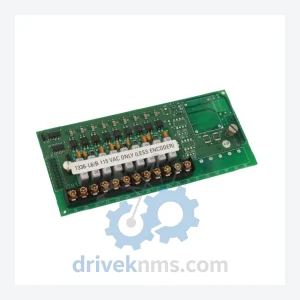
Allen-Bradley 1336-L6/B is listed for Controller Cards RFQ review. Confirm quantity, condition and destination before quotation.
Allen-Bradley 1769-IF4I is listed for CompactLogix RFQ review. Confirm quantity, condition and destination before quotation.