
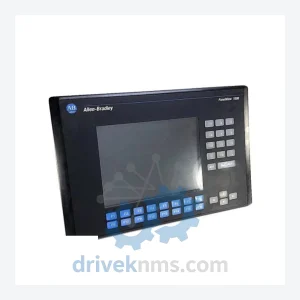
Allen-Bradley 2711-K10C15L1
Allen-Bradley PanelView 1000 Color Keypad is listed for PanelView RFQ review. Confirm quantity, condition and destination before quotation.
RFQ-ready industrial model
Model: 2711-T10C20L1
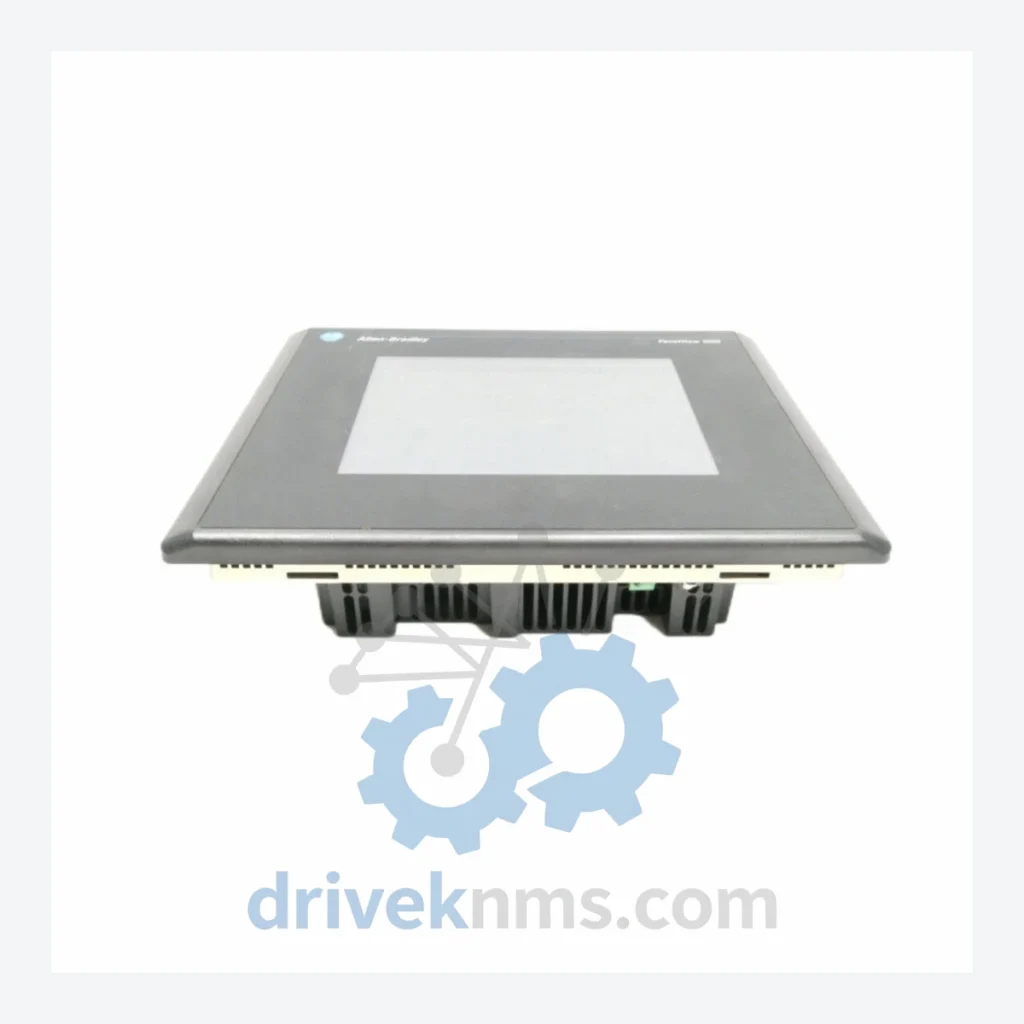
Product Overview
Commercial availability is handled through direct RFQ, model verification and export-oriented follow-up rather than public cart checkout.
Datasheet Preview
Use attached product manuals when available. If the manual is not public yet, request the full file directly through RFQ.
Commercial Path
Product pages on DRIVEKNMS are designed to verify model, brand and series first, then move the buyer into one clean quotation path.
Technical Dossier
The Allen-Bradley PanelView 1000 series, manufactured by Rockwell Automation, represents a standardized human-machine interface (HMI) platform deployed extensively across global heavy industry. Installations span petrochemical refineries, nuclear power auxiliary systems, offshore oil & gas platforms, pulp and paper mills, and continuous-process chemical plants. The 10.4-inch display format established the PanelView 1000 as a de facto standard for panel-mounted operator interfaces in DCS and PLC-integrated environments throughout the 1990s and 2000s. Units remain in active service at facilities where control system replacement is constrained by capital expenditure cycles or regulatory freeze requirements. The 2711-T10C20L1 specifically is a color touch-screen terminal with RS-232/DH-485 communication, widely integrated into Allen-Bradley SLC 500 and PLC-5 architectures.
The PanelView 1000 platform (catalog prefix 2711) was introduced by Allen-Bradley in the early 1990s as a successor to the PanelView 900 and PanelView 550 lines. The original architecture used proprietary DH+ and DH-485 serial communication protocols to interface with PLC-5 and SLC 500 controllers. Display technology progressed from monochrome EL (electroluminescent) panels through STN color LCD to TFT color LCD in later revisions. Input modalities were offered in three variants: touch screen (T-suffix), keypad (K-suffix), and touch+keypad combination (C-suffix).
The communication architecture evolved across sub-generations: early units used RS-232 DH-485 links; later variants added DeviceNet (DN) and ControlNet (CN) options. The 2711-T10C20L1 belongs to the RS-232/DH-485 communication class, making it directly compatible with SLC 500 processors via 1747-PIC or 1761-NET-AIC interface converters. Rockwell Automation officially discontinued the PanelView 1000 (2711) series and transitioned customers to the PanelView Plus 1000 (2711P) platform, which introduced Windows CE-based runtime and Ethernet/IP connectivity. Compatibility between 2711 application files (.PVA) and 2711P runtime requires conversion via PanelBuilder 32 or FactoryTalk View ME software.
The following catalog numbers represent verified Allen-Bradley PanelView 1000 (2711) series modules, classified by input type and communication interface:
Touch Screen — RS-232 / DH-485 Communication
Touch Screen — DH+ Communication
Keypad — RS-232 / DH-485 Communication
Touch + Keypad Combination
Replacement & Accessory Components
PanelView 1000 units present specific failure modes that require targeted inspection procedures. Backlight degradation is the primary failure mechanism in TFT and STN display units; all units undergo luminance measurement against OEM minimum specifications. Touch screen calibration is verified using a grid-pattern input test across the full active display area. Communication port integrity (RS-232 and DH-485) is confirmed via loopback testing with a reference SLC 500 processor or equivalent protocol analyzer. PCMCIA memory slot contacts are cleaned and tested for read/write reliability. Power supply input filtering capacitors are inspected for ESR degradation, which is a known failure point in units manufactured prior to 2002. Units that pass all functional checks are logged with a test record and shipped with documentation.
Continue The Model Path
Move from this exact model into the matching system hub, brand archive, model-family archive or lifecycle sourcing route before sending a final RFQ list.
Related Paths
Allen-Bradley PanelView 1000 Color Keypad is listed for PanelView RFQ review. Confirm quantity, condition and destination before quotation.
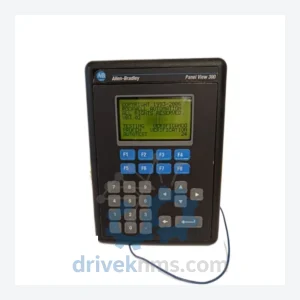
Allen-Bradley 2711-K3A17L1 is listed for PanelView RFQ review. Confirm quantity, condition and destination before quotation.
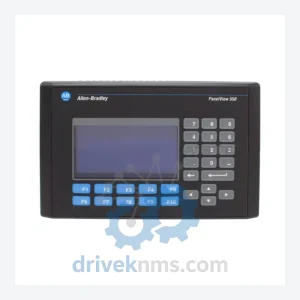
Allen-Bradley 2711-B5A1 is listed for PanelView RFQ review. Confirm quantity, condition and destination before quotation.