
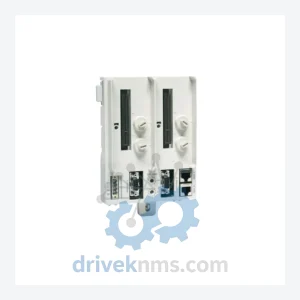
ABB TU847 Power Supply Connector – Obsolete Advant OCS Spare Part
ABB TU847 is listed for Advant OCS RFQ review. Confirm quantity, condition and destination before quotation.
RFQ-ready industrial model
Model: AI815
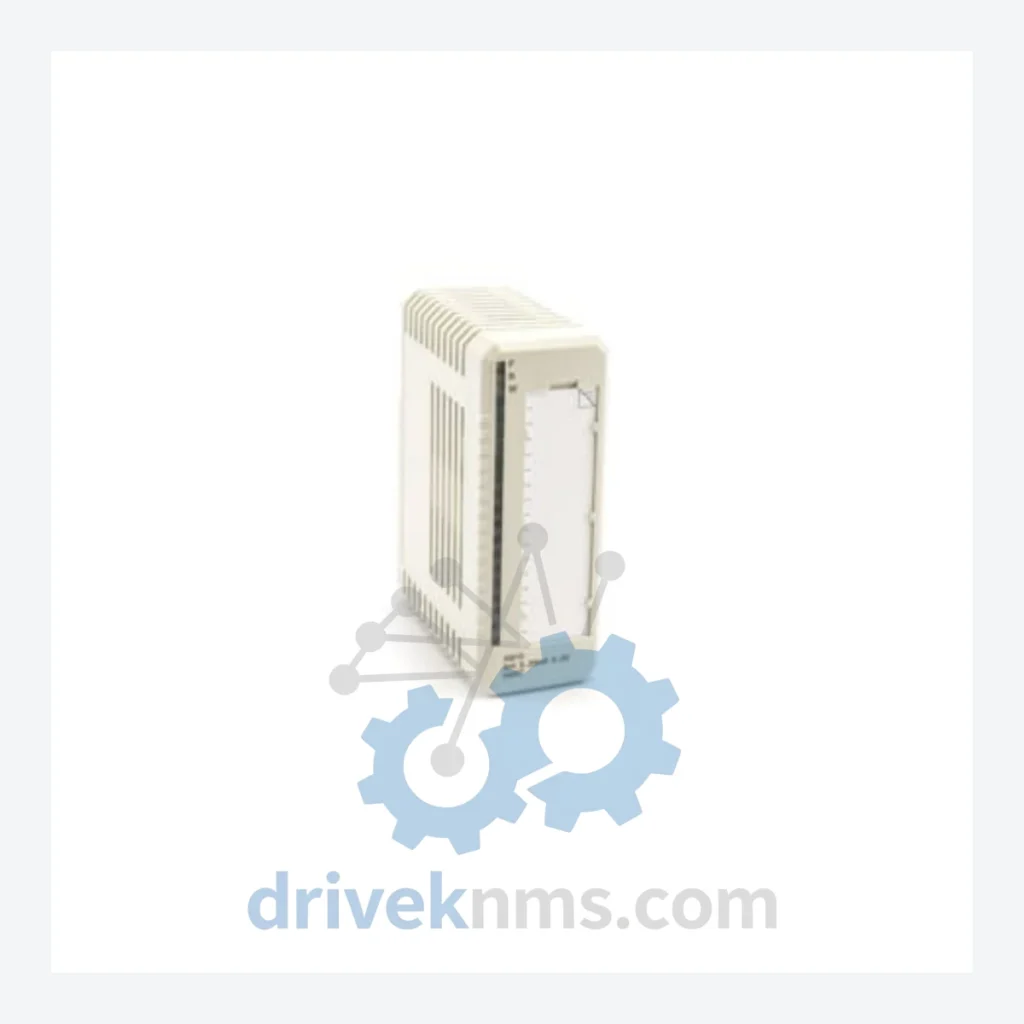
Product Overview
Commercial availability is handled through direct RFQ, model verification and export-oriented follow-up rather than public cart checkout.
Datasheet Preview
Use attached product manuals when available. If the manual is not public yet, request the full file directly through RFQ.
Commercial Path
Product pages on DRIVEKNMS are designed to verify model, brand and series first, then move the buyer into one clean quotation path.
Technical Dossier
RFQ support for obsolete parts: Send the model number, required quantity and destination so DriveKNMS can confirm sourcing options before quotation.
Q: How are RFQ terms confirmed?
A: Quantity, required condition, documentation needs, destination and sourcing route are confirmed during RFQ review before quotation.
The ABB Advant OCS platform was deployed extensively across process industries — oil & gas, pulp & paper, chemical, and power generation — throughout the 1990s and early 2000s. Many of these installations remain operational today, running processes where the cost of replacement infrastructure cannot be justified against remaining plant life. The AI815 analog input module sits at the data acquisition layer of these systems, converting field sensor signals into process values that the controller acts upon. There is no software patch, no firmware update, and no configuration workaround that compensates for a failed analog input card. The module must be replaced with an identical unit.
DriveKNMS operates specifically within this secondary market, maintaining traceable inventory of discontinued ABB modules for facilities that have chosen the rational path: extend the operational life of proven, paid-for automation assets rather than absorb the full cost of premature replacement.
For plant managers and maintenance engineers operating legacy ABB Advant OCS systems, the following strategy has been applied successfully across multiple facilities to defer system replacement by 5 to 10 years without compromising process reliability:
1. Failure Mode Mapping: Identify every I/O module type in your Advant OCS cabinet that is no longer available through standard channels. Analog input modules, analog output modules, and communication interface cards carry the highest replacement risk due to their direct process interface function.
2. Criticality-Based Stocking: Prioritize spare procurement based on consequence of failure, not historical failure rate. A module that has never failed in 15 years carries the same replacement risk as one that fails regularly — the difference is that the reliable module has never been tested against current market availability.
Q: How is condition confirmed before quotation?
A: Available condition, photos, test records and documentation are checked according to the requested model and sourcing channel before a formal RFQ response.
4. Controlled Storage: Spare modules should be stored in anti-static packaging, in climate-controlled environments, away from electromagnetic interference sources. Electrolytic capacitor degradation accelerates in high-temperature storage conditions.
5. Scheduled Verification: Spare modules held in storage for more than 24 months should be bench-tested before being committed to production use. This is particularly relevant for analog input modules where calibration drift may occur over extended storage periods.
Every AI815 module supplied by DriveKNMS passes a structured 5-step verification process before dispatch review:
Step 2 – Electrolytic Capacitor Assessment: Aging electrolytic capacitors are the primary failure mechanism in legacy analog modules. Each unit is assessed for capacitor condition; modules showing bulging, leakage, or measured capacitance deviation beyond tolerance are either recapped by qualified technicians or removed from inventory.
Step 3 – Firmware Version Verification: Where applicable, firmware version is confirmed and documented. Advant OCS systems are sensitive to firmware compatibility between modules and the central controller. Version mismatches are flagged before dispatch review.
Step 4 – Functional Bench Test: Modules are powered and tested for correct response across their operating range. Analog input modules are verified for signal acquisition accuracy within the manufacturer's original specification envelope.
Step 5 – Packaging and Documentation: Verified modules are packaged in anti-static bags with desiccant, placed in protective foam-lined boxes, and shipped with a condition report. Traceability records are retained for a minimum of 3 years.
The AI815 is a direct drop-in replacement for the original module position within ABB Advant OCS and compatible MasterPiece cabinets. No re-engineering of the control system is required. Specifically:
– No reprogramming required: The module communicates using the native Advant OCS bus protocol. Controller configuration files do not require modification upon module swap.
– No I/O rewiring: Field wiring terminations are identical to the original module. Replacement is a direct swap at the terminal block level.
– No engineering project required: Unlike a platform migration, a module replacement is a maintenance activity. It does not require a capital project, a system integrator, or a process shutdown beyond the time required for the physical swap.
– Preserves existing operator interface: All process variable tags, alarm setpoints, and historian configurations remain intact. Operators continue working within a familiar environment.
The cost differential between a module replacement and a system migration is not marginal. It is structural. A single verified spare part eliminates the trigger condition for a multi-million dollar capital project.
Continue The Model Path
Move from this exact model into the matching system hub, brand archive, model-family archive or lifecycle sourcing route before sending a final RFQ list.
Related Paths
ABB TU847 is listed for Advant OCS RFQ review. Confirm quantity, condition and destination before quotation.
ABB TB852 is listed for Advant OCS RFQ review. Confirm quantity, condition and destination before quotation.
ABB SS823 is listed for Advant OCS RFQ review. Confirm quantity, condition and destination before quotation.