
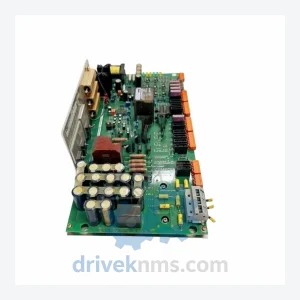
ABB SMIO-01C Control Board – Obsolete ACS/DCS Series Spare Part
ABB SMIO-01C is listed for 01C Control Board RFQ review. Confirm quantity, condition and destination before quotation.
RFQ-ready industrial model
Model: DSSB-01C
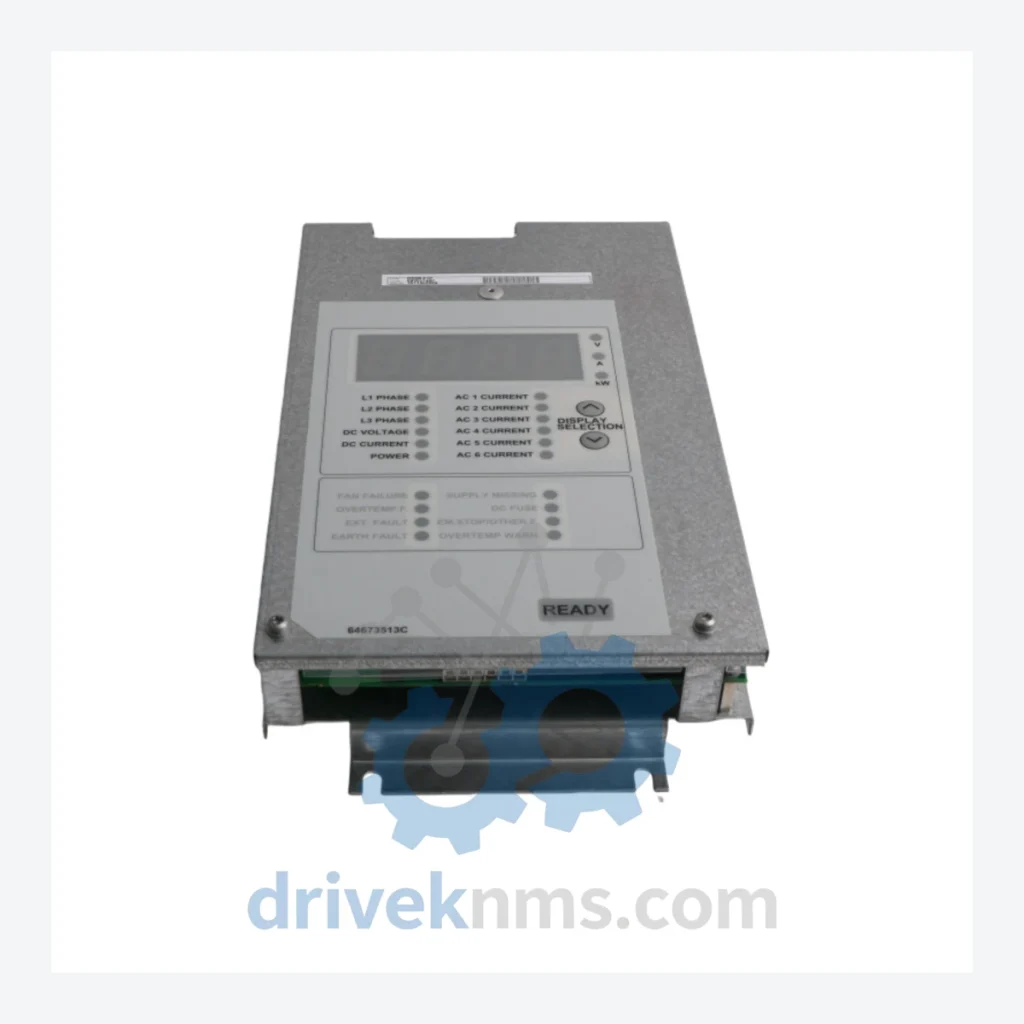
Product Overview
Commercial availability is handled through direct RFQ, model verification and export-oriented follow-up rather than public cart checkout.
Datasheet Preview
Use attached product manuals when available. If the manual is not public yet, request the full file directly through RFQ.
Commercial Path
Product pages on DRIVEKNMS are designed to verify model, brand and series first, then move the buyer into one clean quotation path.
Technical Dossier
RFQ support for obsolete parts: Send the model number, required quantity and destination so DriveKNMS can confirm sourcing options before quotation.
Note: Electrical parameters not listed here are subject to verification against the specific system revision. DriveKNMS does not publish unverified specifications. Contact us for datasheet support.
The ABB DSSB-01C is embedded in control architectures that were engineered for 20-30 year service lives. These systems — found in automotive body shops, foundries, packaging lines, and precision assembly cells — were not designed with easy component substitution in mind. The DSSB-01C performs board-level control functions that are tightly integrated with the surrounding firmware and communication stack. There is no generic substitute. A failed board cannot simply be replaced with a modern equivalent without triggering a cascade of compatibility issues: firmware mismatches, communication protocol conflicts, and the need for full system re-commissioning.
The DSSB-01C is commonly found in ABB robot controller cabinets paired with DSQC-series processor and I/O boards, as well as in legacy ABB drive control panels. Facilities running these configurations without a spare board on the shelf are operating with a single point of failure that no maintenance schedule can fully mitigate.
The core principle is straightforward: identify the components most likely to cause system-level failure, and secure verified replacements before failure occurs. For ABB legacy systems, control and communication boards represent the highest-risk category. They are no longer manufactured, they cannot be improvised, and their failure is binary — the system either runs or it does not.
A structured 5–10 year asset extension program for facilities running DSSB-01C-dependent systems should include: a board-level audit of all installed DSSB-series components to identify units showing early signs of capacitor aging or connector wear; procurement of at least one verified spare DSSB-01C per production cell; secure, climate-controlled storage of spare boards with annual functional verification; documentation of current firmware versions and system configuration parameters to support rapid board swap procedures; and a defined escalation protocol that bypasses standard procurement timelines in the event of an unplanned failure.
Facilities that implement this protocol report mean time to repair (MTTR) reductions of 60–80% for board-level failures, compared to facilities that source replacement parts reactively. The cost of a proactive spare is fixed and known. The cost of a reactive search for an obsolete board — including expedited freight, broker premiums, and production losses — is neither.
Every DSSB-01C unit processed by DriveKNMS passes a structured 5-step quality verification protocol before it is offered for sale. This process is designed specifically for obsolete industrial control boards, where standard incoming inspection procedures are insufficient.
Step 1 – Electrolytic Capacitor Assessment: All electrolytic capacitors are inspected for physical signs of aging, including bulging, electrolyte leakage, and case deformation. Units with capacitors showing measurable ESR drift beyond manufacturer tolerance are either recapped or rejected.
Step 2 – Firmware Version Verification: Where accessible, onboard firmware or EPROM versions are documented and cross-referenced against known compatible revisions for the target system. Boards with unverifiable or mismatched firmware are flagged and disclosed.
Step 3 – Connector and Pin Inspection: All edge connectors, backplane connectors, and I/O pins are inspected under magnification for corrosion, oxidation, mechanical deformation, and solder joint integrity. Affected contacts are cleaned or the unit is rejected.
Step 4 – PCB Trace and Component Inspection: Board surfaces are inspected for trace damage, burn marks, cold solder joints, and component substitution. Any evidence of prior field repair is documented and disclosed to the buyer.
Step 5 – Functional Verification (where test fixture available): Units are powered and tested against known-good reference parameters where test infrastructure permits. Results are documented and accompany the shipment.
The DSSB-01C is a direct, drop-in replacement for the original installed unit. No hardware modification is required. No re-programming of the host controller is necessary in standard swap scenarios. The board interfaces with the existing backplane, firmware, and I/O configuration without triggering a re-commissioning requirement.
For facilities with validated production processes, the ability to restore the exact original hardware configuration is not merely convenient. It is a compliance requirement. Substituting a modern equivalent board, even if electrically compatible, may invalidate process validation records and trigger a requalification cycle. The DSSB-01C eliminates that risk entirely.
Q: Can you source the DSSB-01C if it is not available for RFQ review?
A: Yes. DriveKNMS operates an active sourcing network for obsolete industrial components. Submit your requirement and we will provide a sourcing timeline and availability assessment.
Continue The Model Path
Move from this exact model into the matching system hub, brand archive, model-family archive or lifecycle sourcing route before sending a final RFQ list.
Related Paths
ABB SMIO-01C is listed for 01C Control Board RFQ review. Confirm quantity, condition and destination before quotation.
ABB DSSB-01C 68300746 is listed for 01C Control Board RFQ review. Confirm quantity, condition and destination before quotation.
ABB NAMC-11C is listed for Controller Cards RFQ review. Confirm quantity, condition and destination before quotation.