
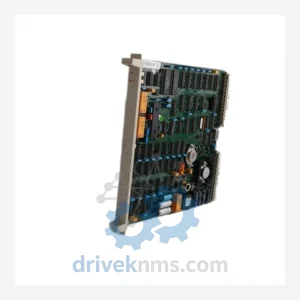
ABB LL02 Contronic LL 02 Module – Industrial Control Spare
ABB LL02 is listed for Controller Cards RFQ review. Confirm quantity, condition and destination before quotation.
RFQ-ready industrial model
Model: NAMC-11C
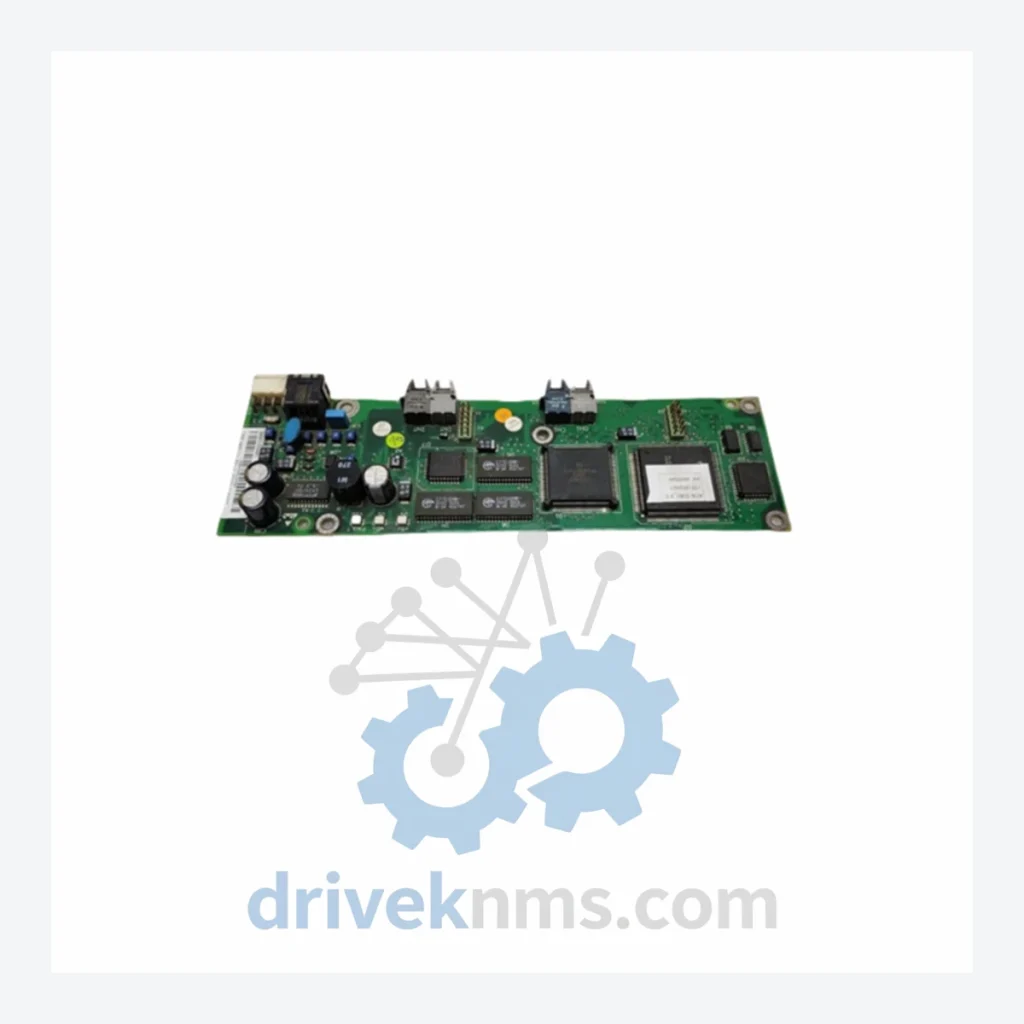
Product Overview
Commercial availability is handled through direct RFQ, model verification and export-oriented follow-up rather than public cart checkout.
Datasheet Preview
Use attached product manuals when available. If the manual is not public yet, request the full file directly through RFQ.
Commercial Path
Product pages on DRIVEKNMS are designed to verify model, brand and series first, then move the buyer into one clean quotation path.
Technical Dossier
The NAMC series was introduced alongside ABB's transition from analog drive control to fully digital, fieldbus-integrated architectures in the mid-1990s. Early variants such as the NAMC-01C and NAMC-03C provided basic serial communication and motor control logic for ACS600 drives operating in standalone configurations. These boards used proprietary DDCS (Distributed Drive Control System) fiber-optic communication, a protocol that remained central to ABB drive ecosystems through successive hardware generations.
With the ACS800 platform, ABB introduced the NAMC-11C and NAMC-12C variants, which added expanded memory, faster DSP processing, and support for multi-drive master/follower topologies. The NAMC-11C in particular became the dominant control board for ACS800 single-drive units, handling speed and torque control loops, I/O interfacing, and optional fieldbus adapter communication via the RDCO DDCS channel.
Later revisions addressed EMC compliance updates and firmware compatibility with ABB's DriveWindow and DriveAP configuration tools. As the ACS800 platform entered its mature/end-of-active-production phase (post-2015), the NAMC series transitioned from active catalog to long-term spare parts status. Replacement migration paths point toward the ACS880 platform with its ZCU/BCU control unit architecture, but direct hardware substitution is not possible — making original NAMC boards the only viable option for installed-base maintenance.
The following SKUs represent verified, commonly sourced models within the ABB NAMC control board family. All models are classified by primary function:
Control & CPU Boards
Communication & Adapter Interface Boards
I/O & Auxiliary Function Boards
DriveKNMS maintains a dedicated inventory of NAMC series control boards sourced through verified industrial surplus channels, decommissioned equipment recovery, and long-term MRO partnerships. Each unit is cataloged by part number, hardware revision, and firmware version where identifiable. We support procurement for single-unit emergency replacements as well as bulk orders for planned maintenance programs and insurance spares strategies.
For obsolete variants including NAMC-01, NAMC-03, and early non-C revisions, DriveKNMS provides cross-reference consultation to identify compatible substitutes or advises on the feasibility of firmware-matched replacements within the same hardware generation.
NAMC series boards present specific testing challenges due to their integrated DSP architecture, DDCS fiber-optic transceiver circuits, and multi-layer PCB construction. DriveKNMS applies a structured inspection and functional verification protocol to all NAMC units prior to dispatch:
Continue The Model Path
Move from this exact model into the matching system hub, brand archive, model-family archive or lifecycle sourcing route before sending a final RFQ list.
Related Paths
ABB LL02 is listed for Controller Cards RFQ review. Confirm quantity, condition and destination before quotation.
ABB LZ02 is listed for H&B Contronic LZ Series RFQ review. Confirm quantity, condition and destination before quotation.
ABB MA01 is listed for Contronic Series RFQ review. Confirm quantity, condition and destination before quotation.