Products / ABB / 1 Shaft
ABB 1 Shaft

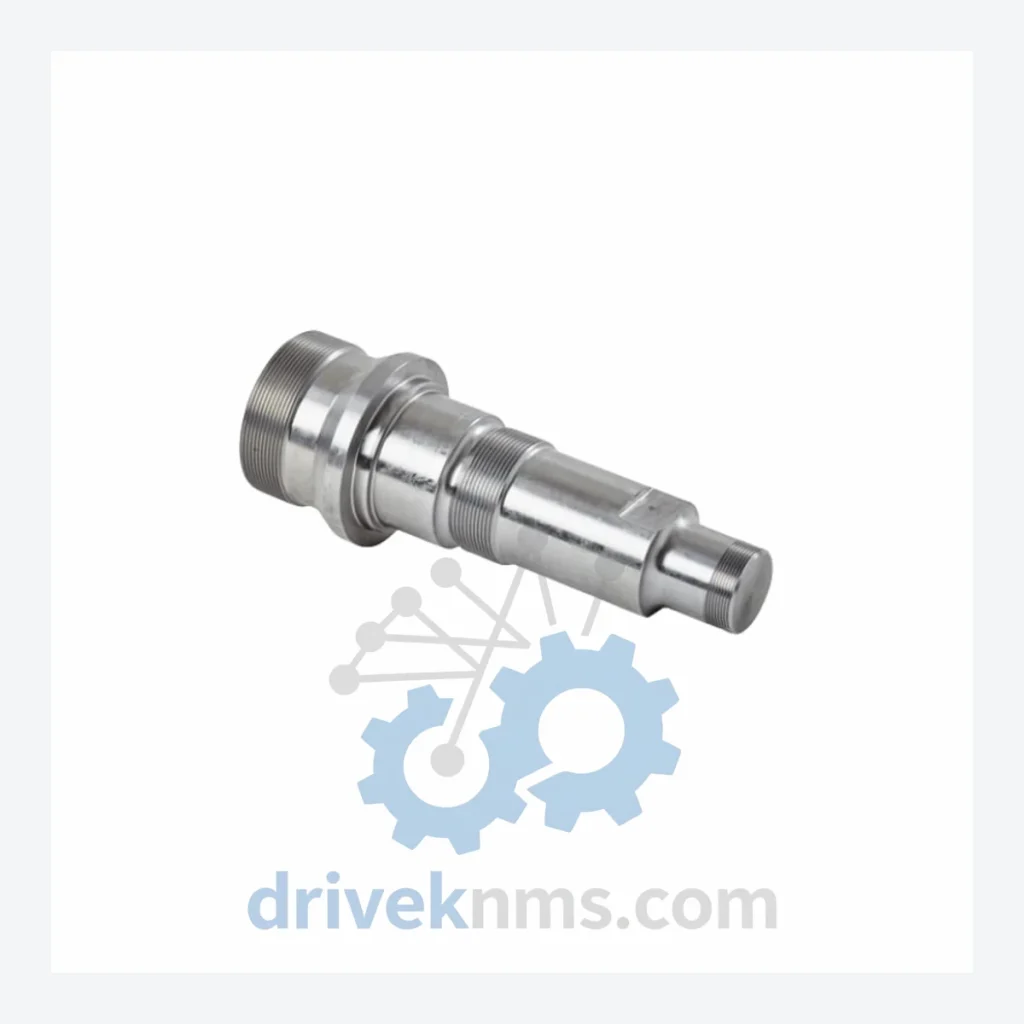
ABB 3HAC4545-1 Shaft – Obsolete IRB 6600 Series Spare Part

Model: IRB66603HAC4545-1 IRB6603HAC4545-1 3HAC4545-1
Brand ABB
Series 1 Shaft
Model IRB66603HAC4545-1 IRB6603HAC4545-1 3HAC4545-1
RFQ-ready model route Obsolete and surplus sourcing Export follow-up by model list

Product Overview

Commercial availability is handled through direct RFQ, model verification and export-oriented follow-up rather than public cart checkout.

Datasheet Preview

Datasheet Preview

Use attached product manuals when available. If the manual is not public yet, request the full file directly through RFQ.

Request Full Manual

Commercial Path

Use This Page To Confirm The Model, Then Move To RFQ

Product pages on DRIVEKNMS are designed to verify model, brand and series first, then move the buyer into one clean quotation path.

Technical Dossier

Product Details And Specifications

ABB 3HAC4545-1 Shaft – Obsolete IRB 6600 Series Spare Part

When a single mechanical component fails on a discontinued robot platform, the financial exposure is rarely limited to the cost of the part itself. For facilities still operating ABB IRB 6600 series robots, a shaft failure at 3HAC4545-1 can trigger a cascade: unplanned downtime, emergency engineering assessments, and — in the worst case — a forced migration to a new robot platform that carries a capital expenditure measured in hundreds of thousands to millions of dollars per cell. DriveKNMS maintains sourced inventory of this discontinued shaft component specifically to interrupt that cascade before it starts.

Technical Specifications

Part Number 3HAC4545-1
Cross Reference IRB66603HAC4545-1 / IRB6603HAC4545-1
Compatible Platform ABB IRB 6600 Series Industrial Robot
Component Type Mechanical Shaft
Manufacturer ABB Robotics
Country of Origin Sweden
OEM Status Discontinued / End-of-Life (EOL)
Typical Application Axis drive train, joint articulation mechanism

Note: Electrical parameters are not applicable to this mechanical shaft component. Dimensional and torque specifications are not published here to avoid inaccuracy — contact us for verified technical drawings.

Solving the Discontinued Hardware Crisis

The ABB IRB 6600 was a workhorse of heavy-payload automation — deployed extensively in automotive body-in-white welding, foundry handling, and press-tending applications through the 2000s and 2010s. ABB has since moved its portfolio forward, and OEM spare parts for this platform are no longer manufactured or stocked through standard distribution channels.

For plant managers operating these robots, the discontinuation creates a structural problem: the robot itself may have 10–15 years of mechanical life remaining, but a single unavailable wear component can force a premature retirement decision. The 3HAC4545-1 shaft is precisely this type of critical single-point-of-failure component. It sits within the axis drive train, and its failure is not a degraded-performance scenario — it is a hard stop.

The conventional response — budgeting for a full robot replacement — carries a fully-loaded cost that typically ranges from $150,000 to $400,000 per robot cell when engineering, installation, reprogramming, and production loss are included. Sourcing a verified replacement shaft at a fraction of that cost is not a workaround. It is the rational asset protection decision.

Strategy for extending IRB 6600 service life by 5–10 years:

  • Maintain a minimum of one spare 3HAC4545-1 shaft per robot cluster on-site. Lead times for obsolete mechanical components are unpredictable; a 6–12 month sourcing delay is not uncommon once the part enters critical shortage.
  • Pair shaft procurement with a scheduled inspection of adjacent bearings and seals. Shaft wear rarely occurs in isolation — the surrounding components absorb the same load cycles.
  • Document the robot's current axis calibration data before any shaft replacement. Restoring calibration from a saved baseline eliminates the need for a full re-teach, which can represent 2–5 days of engineering time per robot.
  • Engage a qualified ABB service partner to perform a mechanical health audit on all IRB 6600 units annually. Identifying wear trends early converts emergency replacements into planned maintenance events.
  • Evaluate whether a controlled spare parts inventory program — covering the top 10 highest-failure-risk components per robot — is cost-justified against the capital cost of replacement. For most facilities, the math is straightforward.

Condition & Reliability Assurance

Sourcing mechanical components for discontinued platforms requires a verification standard that goes beyond visual inspection. DriveKNMS applies a 5-step quality assurance process to all obsolete spare parts before shipment:

  1. Physical Integrity Check: Dimensional verification against OEM specifications. Surface finish, thread condition, and keyway geometry are inspected for wear, corrosion, or deformation.
  2. Corrosion & Pin Inspection: All mating surfaces, splines, and contact points are examined for oxidation, pitting, and fretting corrosion — the primary failure modes for shafts in storage or intermittent-use environments.
  3. Material Verification: Where applicable, hardness testing confirms the shaft has not been subject to heat damage or improper repair that would compromise fatigue life.
  4. Packaging Integrity: Components are inspected for storage damage, moisture ingress, and contamination before repackaging in protective materials appropriate for long-term storage or immediate installation.
  5. Documentation Review: Available traceability documentation — including OEM part markings, batch codes, and sourcing records — is reviewed and provided to the customer upon request.

Key Features for System Maintenance

  • Drop-in replacement: The 3HAC4545-1 is a direct OEM-equivalent component. No dimensional modification, adapter, or custom machining is required for installation in the original robot assembly.
  • No reprogramming required: Replacing a mechanical shaft component does not alter the robot's control parameters, axis configuration, or program memory. Post-installation, the robot returns to service using existing calibration data.
  • Avoids engineering reconstruction costs: A like-for-like shaft replacement eliminates the need for robot cell redesign, new safety assessments, or updated risk documentation — all of which are mandatory when introducing a different robot model.
  • Preserves existing tooling investment: End-of-arm tooling, fixtures, and weld guns designed for the IRB 6600 payload and reach envelope remain fully compatible. No tooling modification or replacement is triggered.

FAQ

Q: What warranty applies to discontinued spare parts?
A: DriveKNMS provides a 90-day warranty covering defects in the supplied component under normal operating conditions. Warranty terms are confirmed in writing at the time of order. Extended warranty arrangements are available for volume procurement — contact us to discuss.

Q: How do I confirm the part is genuine OEM or a verified quality refurbished unit?
A: We provide available traceability documentation with each shipment. For new-old-stock (NOS) units, OEM markings and packaging are preserved where intact. For inspected used units, our QA report is included. We do not supply unmarked or unverified components.

Q: Should I purchase multiple units as a long-term reserve?
A: For any facility operating more than two IRB 6600 robots, holding a minimum of two spare shafts is a defensible maintenance strategy. The sourcing window for this component is narrowing as global inventory depletes. Procurement decisions made today carry significantly lower risk than those made under emergency conditions.

© 2026 DriveKNMS. Status: DRAFT

WhatsApp Prefilled Inquiry Email [email protected] Phone +86 18359293191 Top Back To Top