
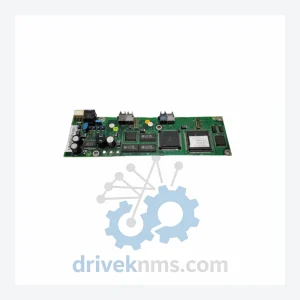
ABB NAMC-11C
ABB NAMC-11C is listed for Controller Cards RFQ review. Confirm quantity, condition and destination before quotation.
RFQ-ready industrial model
Model: LDMTR-01 63940135
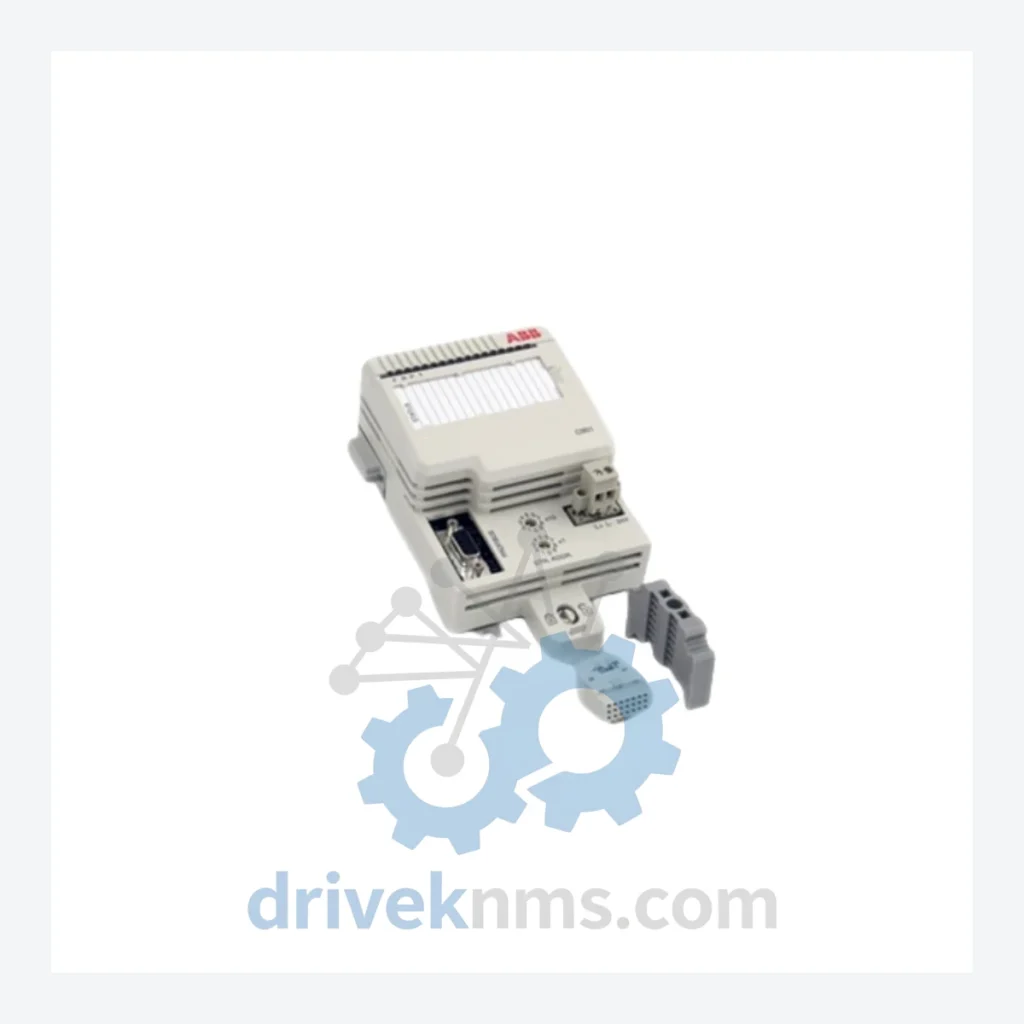
Product Overview
Commercial availability is handled through direct RFQ, model verification and export-oriented follow-up rather than public cart checkout.
Datasheet Preview
Use attached product manuals when available. If the manual is not public yet, request the full file directly through RFQ.
Commercial Path
Product pages on DRIVEKNMS are designed to verify model, brand and series first, then move the buyer into one clean quotation path.
Technical Dossier
DriveKNMS maintains sourced inventory of discontinued industrial control components specifically to support facilities that have made a deliberate, financially sound decision to extend the operational life of their existing automation assets rather than pursue premature platform replacement.
RFQ support for obsolete parts: Send the model number, required quantity and destination so DriveKNMS can confirm sourcing options before quotation.
Note: Electrical parameters not independently verified. Specifications above are based on part identification data. DriveKNMS does not publish unverified electrical ratings.
The ABB AC500 platform and its associated peripheral modules, including the LDMTR-01 LCDC Type Register, were deployed extensively across process industries, utilities, and discrete manufacturing throughout the 2000s and 2010s. Many of these installations remain in active production service today — not because operators are unaware of the discontinuation, but because the cost-benefit analysis consistently favors maintenance over replacement.
The LCDC module serves a specific function within the AC500 architecture: it handles local display registration and control interfacing at the module level. There is no direct cross-platform substitute. Replacing it requires either sourcing the original part number or undertaking a full I/O subsystem redesign — a project that typically demands months of engineering time and carries significant risk of introducing new failure modes into a previously stable system.
DriveKNMS applies a structured five-step quality process to all obsolete and legacy components before dispatch:
Step 1 – Visual and Physical Inspection: Each unit is examined for physical damage, pin corrosion, connector wear, and board contamination. Units with compromised connectors or oxidized pins are rejected at this stage.
Step 2 – Electrolytic Capacitor Assessment: Legacy modules are particularly susceptible to electrolytic capacitor degradation over time. Our technicians inspect for visible bulging, leakage, and ESR deviation on capacitor banks critical to module stability.
Step 3 – Firmware and Label Verification: Where accessible, firmware revision markings and hardware revision labels are cross-referenced against known production records to confirm the unit matches the specified part number and revision.
Step 4 – Functional Bench Test: Units are powered and subjected to functional verification under controlled conditions prior to packaging.
Step 5 – Packaging and ESD Protection: All modules are packed in anti-static shielding bags with desiccant, labeled with part number and inspection date, and shipped in rigid protective packaging to prevent transit damage.
The LDMTR-01 63940135 is a direct hardware replacement for the original installed unit. No firmware reprogramming is required at the module level. No I/O address remapping is necessary. The module registers to the existing system configuration as a drop-in replacement, eliminating the engineering hours and risk associated with software-level reconfiguration.
For facilities operating under ISO, FDA, or other process validation frameworks, maintaining the original hardware specification also avoids the documentation burden of a change control process, which can itself represent a significant hidden cost of platform migration.
The decision to maintain a legacy ABB AC500 installation rather than migrate to a current-generation platform is, in most cases, a sound capital allocation decision — provided that critical spare parts remain accessible. The failure point for most legacy system maintenance programs is not technical; it is procurement. When a module like the LDMTR-01 is no longer available through standard distribution channels, facilities that have not established a spare parts reserve face an immediate crisis with no low-cost resolution.
DriveKNMS operates specifically within this supply chain gap. Our inventory is sourced, inspected, and held for industrial customers who have made a deliberate commitment to extending the productive life of their automation assets. For ABB AC500 operators, the LDMTR-01 63940135 is a component worth holding in reserve before the need becomes urgent.
Q: How are RFQ terms confirmed?
A: Quantity, required condition, documentation needs, destination and sourcing route are confirmed during RFQ review before quotation.
How do I confirm the unit is genuine and not counterfeit?
All units sourced by DriveKNMS are inspected for label authenticity, hardware revision consistency, and physical characteristics consistent with genuine ABB production. We do not source from unverified secondary markets. Customers may request inspection documentation upon inquiry.
Q: Can you support multi-unit or repeat RFQ requests?
A: Yes. Send the model list, target quantity and destination so DRIVEKNMS can review sourcing options and quote the requirement as a project RFQ.
Can this module be used across different AC500 configurations?
Compatibility depends on the specific system configuration and firmware revision of the host system. We recommend confirming your system's hardware revision against the module's label before installation. Our technical team can assist with compatibility queries.
Continue The Model Path
Move from this exact model into the matching system hub, brand archive, model-family archive or lifecycle sourcing route before sending a final RFQ list.
Related Paths
ABB NAMC-11C is listed for Controller Cards RFQ review. Confirm quantity, condition and destination before quotation.
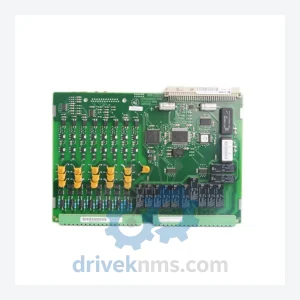
ABB LZ02 is listed for H&B Contronic LZ Series RFQ review. Confirm quantity, condition and destination before quotation.
ABB LL02 is listed for Controller Cards RFQ review. Confirm quantity, condition and destination before quotation.