
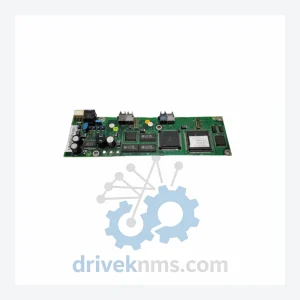
ABB NAMC-11C
ABB NAMC-11C is listed for Controller Cards RFQ review. Confirm quantity, condition and destination before quotation.
RFQ-ready industrial model
Model: NBRA-669C
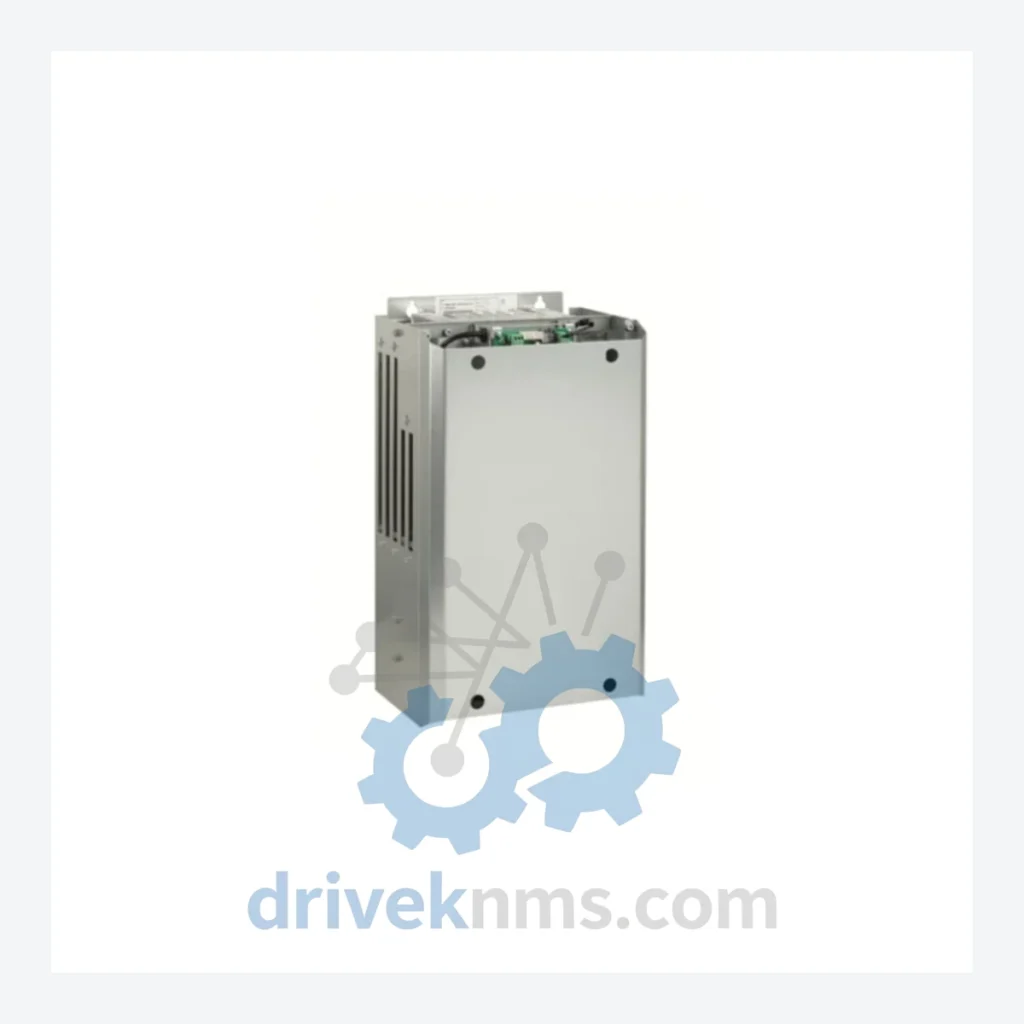
Product Overview
Commercial availability is handled through direct RFQ, model verification and export-oriented follow-up rather than public cart checkout.
Datasheet Preview
Use attached product manuals when available. If the manual is not public yet, request the full file directly through RFQ.
Commercial Path
Product pages on DRIVEKNMS are designed to verify model, brand and series first, then move the buyer into one clean quotation path.
Technical Dossier
RFQ support for obsolete parts: Send the model number, required quantity and destination so DriveKNMS can confirm sourcing options before quotation.
Note: Electrical parameters such as voltage rating and current capacity vary by drive configuration. Specifications are confirmed against the unit serial number and drive nameplate at time of order. No parameters are assumed or fabricated.
The ABB SDCS platform represents a generation of DC drive engineering that remains operationally sound in thousands of facilities worldwide. The mechanical and process infrastructure built around these drives — motors, gearboxes, control cabinets, field bus wiring — represents capital investment measured in millions. Replacing the drive system does not simply mean purchasing new hardware; it means re-engineering motor coupling, rewriting PLC logic, retraining operators, and scheduling extended shutdown windows.
The NBRA-669C brake module sits at a critical point in this system. It governs controlled deceleration and braking energy dissipation. Without a functioning unit, the drive cannot execute safe stop sequences, which in crane, hoist, or winding applications is a direct safety and liability issue — not merely a productivity concern.
Facilities that have extended SDCS platform life by 5 to 10 years consistently follow the same approach: they identify the three to five highest-risk single-point-of-failure components, secure verified spares before failure occurs, and establish a documented maintenance schedule for capacitor inspection and firmware version control. The NBRA-669C is on that list for every SDCS installation. Sourcing it reactively — after failure — means negotiating from a position of zero leverage, with production stopped and every hour carrying a measurable cost.
Proactive spare procurement at current market pricing is, by any operational accounting standard, the lower-cost path.
Every NBRA-669C unit processed through DriveKNMS undergoes a structured 5-step evaluation before it is offered for sale:
Step 1 – Electrolytic Capacitor Assessment: Capacitors are the primary age-related failure point in power electronics. Each unit is inspected for ESR (Equivalent Series Resistance) drift and physical signs of electrolyte leakage or case deformation. Units with degraded capacitors are either recapped with specification-matched components or removed from inventory.
Step 2 – Firmware Version Verification: The installed firmware version is documented and cross-referenced against the target drive system's control section version. Incompatible firmware combinations are flagged before dispatch review, not after installation.
Step 3 – Pin and Connector Inspection: All edge connectors and pin headers are examined under magnification for oxidation, corrosion, and mechanical deformation. Contact surfaces are cleaned and treated where required.
Step 4 – Functional Bench Test: Where test fixtures are available for the SDCS platform, units are powered and tested for correct gate drive output and brake chopper switching behavior.
Step 5 – Documentation and Traceability: Each unit ships with a condition report noting inspection findings, firmware version, and any remediation performed. This record supports your internal maintenance documentation requirements.
The NBRA-669C is a direct drop-in replacement for the original module position within the SDCS drive cabinet. No hardware modification to the drive chassis is required. The module interfaces via the existing connector positions, and no drive parameter re-entry is required solely due to the module swap — the drive's parameter set resides in the control section, not in the brake module itself.
This means maintenance personnel can execute the replacement during a planned shutdown window without involving drive commissioning engineers, avoiding the day-rate costs that accompany any re-engineering engagement. For facilities operating on tight maintenance budgets, this distinction — between a component swap and an engineering project — is the difference between a four-figure repair and a five-figure one.
Avoiding system-wide upgrades also preserves the existing operator interface, alarm logic, and process tuning that your team has refined over years of operation. That institutional knowledge has real value and is not transferred when a drive platform is replaced.
For plant management teams facing pressure to retire legacy DC drive systems, the following maintenance framework has demonstrated consistent results in deferring capital expenditure without compromising operational reliability:
1. Conduct a Component Risk Audit: Map every module in your SDCS installation against current sourcing status. Identify which parts are obsolete, which are scarce, and which remain in production. This audit takes one to two days and produces a prioritized procurement list.
2. Secure Critical Spares Before Failure: For obsolete modules like the NBRA-669C, the market supply is finite and diminishing. Each year, fewer units are available and prices reflect that scarcity. Purchasing spares during a planned budget cycle costs a fraction of emergency procurement during a production stoppage.
5. Establish a Vendor Relationship for Obsolete Parts: A reliable source for legacy components is a maintenance asset. Establishing that relationship before an emergency means faster response, RFQ-reviewed sourcing status, and pricing that reflects a business relationship rather than crisis demand.
Q: How do I know the unit is genuine and not a counterfeit?
A: All units are sourced through documented supply channels. Physical markings, PCB revision codes, and component dating are verified during intake inspection. Units that cannot be authenticated are not listed for sale.
Continue The Model Path
Move from this exact model into the matching system hub, brand archive, model-family archive or lifecycle sourcing route before sending a final RFQ list.
Related Paths
ABB NAMC-11C is listed for Controller Cards RFQ review. Confirm quantity, condition and destination before quotation.
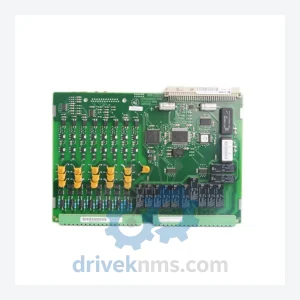
ABB LZ02 is listed for H&B Contronic LZ Series RFQ review. Confirm quantity, condition and destination before quotation.
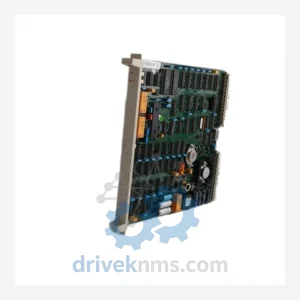
ABB LL02 is listed for Controller Cards RFQ review. Confirm quantity, condition and destination before quotation.