
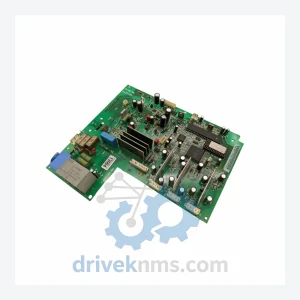
ABB SNAT-7120 Circuit Board – SNAZ7120J Series
ABB SNAT-7120 SNAZ 7120 J SNAZ7120J is listed for SNAZ7120J Series RFQ review. Confirm quantity, condition and destination before quotation.
RFQ-ready industrial model
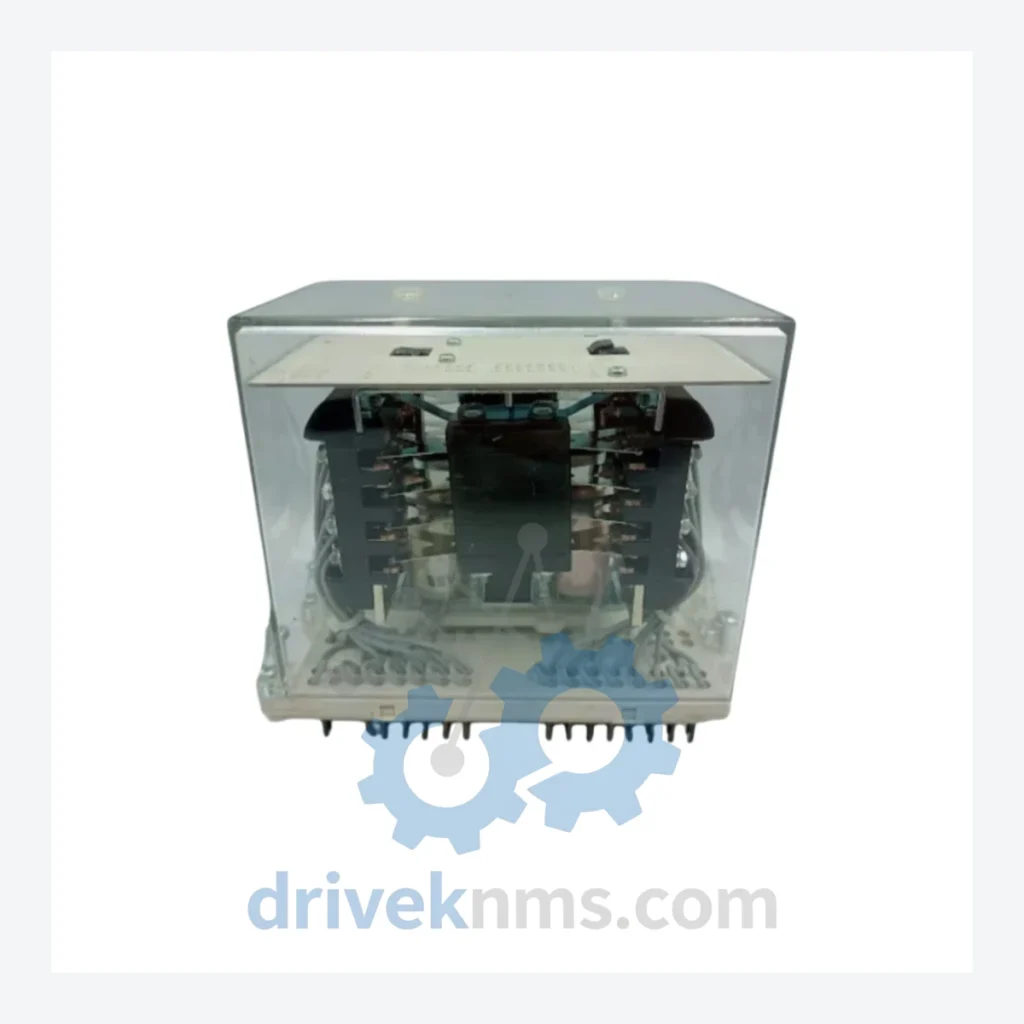
Model: RK251402-AP
Product Overview
Commercial availability is handled through direct RFQ, model verification and export-oriented follow-up rather than public cart checkout.
Datasheet Preview
Use attached product manuals when available. If the manual is not public yet, request the full file directly through RFQ.
Commercial Path
Product pages on DRIVEKNMS are designed to verify model, brand and series first, then move the buyer into one clean quotation path.
Technical Dossier
DriveKNMS reviews sourcing status and documentation for this model during RFQ handling before quotation.
RFQ support for obsolete parts: Send the model number, required quantity and destination so DriveKNMS can confirm sourcing options before quotation.
Note: Electrical parameters such as relay contact ratings and supply voltage are not published here to prevent specification errors. Contact DriveKNMS for the verified datasheet specific to your installation revision.
The ABB INSUM system was deployed extensively in industrial facilities — water treatment plants, mining operations, offshore platforms, and heavy manufacturing — during the late 1990s and 2000s. Its architecture allowed centralized supervision of motor starters, protection relays, and field devices over a proprietary communication bus. That integration is precisely what makes individual module replacement so consequential: the RK251402-AP relay module sits at the interface between the INSUM control logic and physical switching actions. There is no generic substitute that drops into this role without re-engineering the surrounding system.
For plant managers facing pressure to retire aging infrastructure, the financial case for sourcing a replacement RK251402-AP is straightforward. A single module, properly sourced and validated, can restore full system function and defer a capital replacement project by five to ten years. The engineering cost of that deferral is a fraction of a percent of the avoided capital expenditure. Facilities that have adopted a structured obsolete-parts inventory strategy — maintaining two to three critical spare modules on-site — consistently achieve the longest operational continuity from legacy automation assets.
Sourcing obsolete relay modules from the secondary market carries legitimate risk. Component aging, improper storage, and undisclosed prior failures are real concerns. DriveKNMS applies a five-step qualification process to every RK251402-AP unit before it is offered for sale:
Step 1 – Visual and Mechanical Inspection: Full examination of the PCB, connector pins, and housing for corrosion, mechanical damage, and pin deformation. Units with any evidence of field damage are rejected at this stage.
Step 2 – Electrolytic Capacitor Assessment: Electrolytic capacitors are the primary aging component in relay modules of this era. Each unit is assessed for capacitor bulging, leakage, and ESR deviation. Units with degraded capacitors are either recapped with equivalent-specification components or rejected.
Step 3 – Firmware and Label Verification: Where applicable, firmware revision markings and hardware revision labels are cross-referenced against known INSUM system compatibility matrices to confirm the unit matches the customer's installation revision.
Step 4 – Pin and Contact Integrity Check: Relay contacts and backplane connector pins are inspected for oxidation and contact resistance. Corroded contacts are treated or the unit is rejected.
Step 5 – Functional Verification: Units are powered and relay switching function is verified under controlled conditions prior to packaging.
The RK251402-AP is a direct hardware replacement for the same part number within the INSUM architecture. There is no firmware re-flashing, no re-addressing, and no modification to the INSUM configuration database required when replacing a failed unit with a same-revision spare. The module seats into the existing backplane slot and the system recognizes it on the next communication cycle.
Facilities that maintain a documented critical-spares inventory for their INSUM installations — including at least one RK251402-AP relay module — have a defined recovery path for the most common failure mode in this system type. Facilities that do not have that spare on-site face an uncontrolled recovery timeline that depends entirely on secondary market availability at the moment of failure, which is the worst possible time to begin sourcing an obsolete component.
Q: Should I buy more than one unit as a long-term spare?
A: For any INSUM installation that is expected to remain in service for more than two years, holding a minimum of two RK251402-AP units on-site is a defensible maintenance strategy. Secondary market availability of this part is finite and will not improve over time. The cost of holding a spare module is negligible compared to the cost of an unplanned outage while sourcing one.
Q: Can this module be used in systems other than INSUM?
A: The RK251402-AP was designed specifically for the ABB INSUM architecture. Application in other systems is not supported and is not recommended without engineering review.
Continue The Model Path
Move from this exact model into the matching system hub, brand archive, model-family archive or lifecycle sourcing route before sending a final RFQ list.
Related Paths
ABB SNAT-7120 SNAZ 7120 J SNAZ7120J is listed for SNAZ7120J Series RFQ review. Confirm quantity, condition and destination before quotation.
ABB PM564-TP-ETH 1SAP121100R0071 is listed for Servo Drives RFQ review. Confirm quantity, condition and destination before quotation.
ABB SCDCS-CON-4 is listed for CON-4 Control Board RFQ review. Confirm quantity, condition and destination before quotation.