
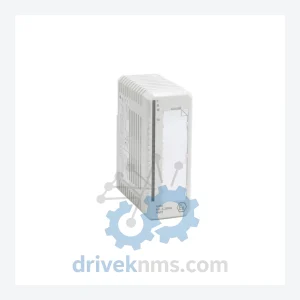
ABB 3BSC690086R1 Module Termination Unit – Obsolete S800 I/O Spare Part
ABB 3BSC690086R1 is listed for S800 I/O RFQ review. Confirm quantity, condition and destination before quotation.
RFQ-ready industrial model
Model: 3BSE0651010R2
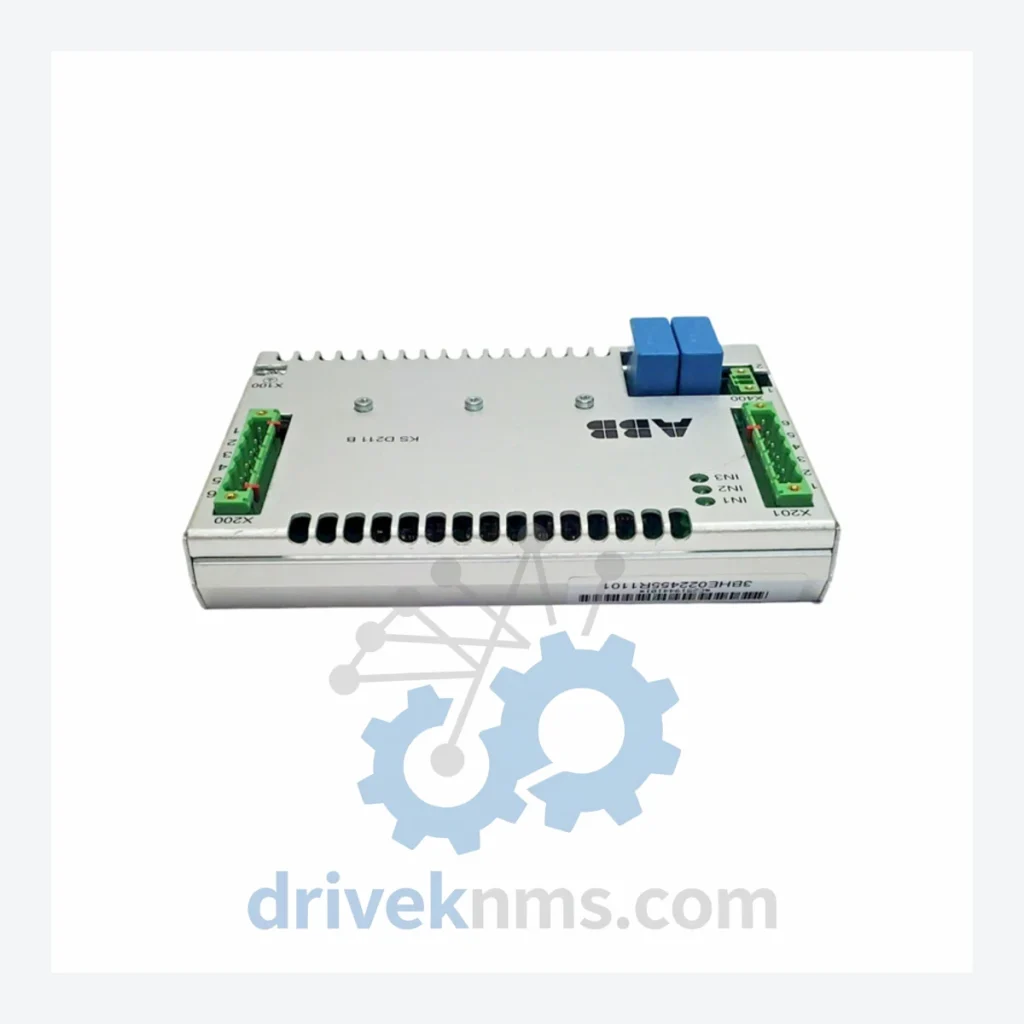
Product Overview
Commercial availability is handled through direct RFQ, model verification and export-oriented follow-up rather than public cart checkout.
Datasheet Preview
Use attached product manuals when available. If the manual is not public yet, request the full file directly through RFQ.
Commercial Path
Product pages on DRIVEKNMS are designed to verify model, brand and series first, then move the buyer into one clean quotation path.
Technical Dossier
The ABB S800 I/O system is a distributed I/O platform developed for integration with ABB's Advant Controller 450 (AC450) and the System 800xA DCS environment. Deployed across heavy industrial sectors — including petrochemical refineries, nuclear power stations, pulp and paper mills, and offshore oil & gas platforms — the S800 I/O series represents one of ABB's most widely installed fieldbus-based I/O architectures globally. Its modular backplane design, PROFIBUS DP and Modulebus communication backbone, and high channel density make it a standard reference in long-lifecycle process automation installations. The 3BSE0651010R2 is a Digital Input/Output Board within this ecosystem, providing mixed DI/DO functionality on a single module footprint, reducing cabinet space requirements in high-density marshalling configurations.
The S800 I/O platform was introduced in the mid-1990s as ABB's response to the industry shift toward distributed, fieldbus-connected I/O over traditional hardwired marshalling. Early revisions communicated exclusively over Modulebus, a proprietary ABB serial bus. Subsequent hardware generations added PROFIBUS DP connectivity via dedicated interface modules (e.g., CI840, CI854), enabling integration with third-party DCS and SCADA hosts. The introduction of the TB820 and TB840 Modulebus Cluster Modem units extended the physical reach of S800 clusters across large plant footprints. Later revisions incorporated redundancy support at the communication interface level, critical for SIL-rated loops in safety-instrumented systems. As System 800xA became ABB's primary DCS platform through the 2000s and 2010s, S800 I/O was positioned as the preferred remote I/O solution, with backward compatibility maintained across hardware generations. The series is now in a mature/sustaining lifecycle phase; ABB continues to supply spare modules but new feature development has ceased. Long-term maintenance support, including refurbished and tested surplus units, is essential for plants operating on 20–30 year asset lifecycles.
The following SKUs represent verified, commonly deployed modules within the ABB S800 I/O platform. Modules are classified by functional category.
Digital Input (DI) Modules
Digital Output (DO) Modules
Digital Input/Output (DIO) Modules
Analog Input (AI) Modules
Analog Output (AO) Modules
Communication Interface Modules
S800 I/O modules present specific test challenges due to their backplane-dependent communication architecture. Modules cannot be fully validated in isolation; functional testing requires a live Modulebus or PROFIBUS DP environment with an active controller host. DriveKNMS employs a dedicated S800 test bench comprising an AC450 controller, TB820 cluster modem, and CI840 PROFIBUS interface, enabling end-to-end channel verification for all DI, DO, AI, and AO module types. For digital modules, each channel is exercised through its full ON/OFF cycle with current measurement to verify output driver integrity and input threshold accuracy. For analog modules, calibration is verified against a traceable reference standard at 0%, 25%, 50%, 75%, and 100% of span. Communication integrity — including Modulebus node addressing and PROFIBUS DP GSD parameter compliance — is confirmed prior to packaging. All tested units are issued a DriveKNMS inspection record with channel-level test data.
Continue The Model Path
Move from this exact model into the matching system hub, brand archive, model-family archive or lifecycle sourcing route before sending a final RFQ list.
Related Paths
ABB 3BSC690086R1 is listed for S800 I/O RFQ review. Confirm quantity, condition and destination before quotation.
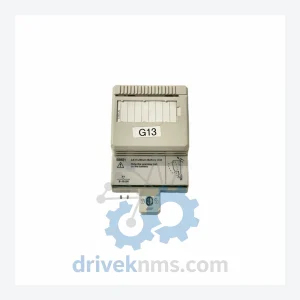
ABB DO801 DO801-eA 3BSE020510R2 is listed for S800 I/O RFQ review. Confirm quantity, condition and destination before quotation.
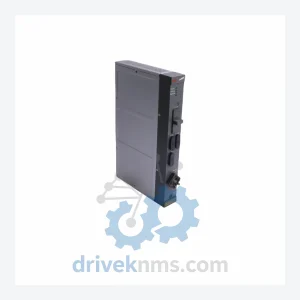
ABB DLM01 is listed for S800 I/O RFQ review. Confirm quantity, condition and destination before quotation.