
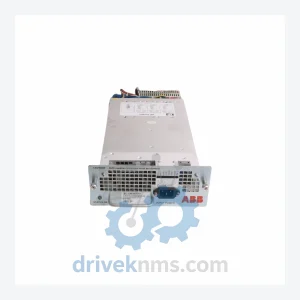
ABB P-HA-RPS-32200000 Power Supply Module – PHARPS32200000
ABB P-HA-RPS-32200000 PHARPS32200000 is listed for Power Supplies RFQ review. Confirm quantity, condition and destination before quotation.
RFQ-ready industrial model
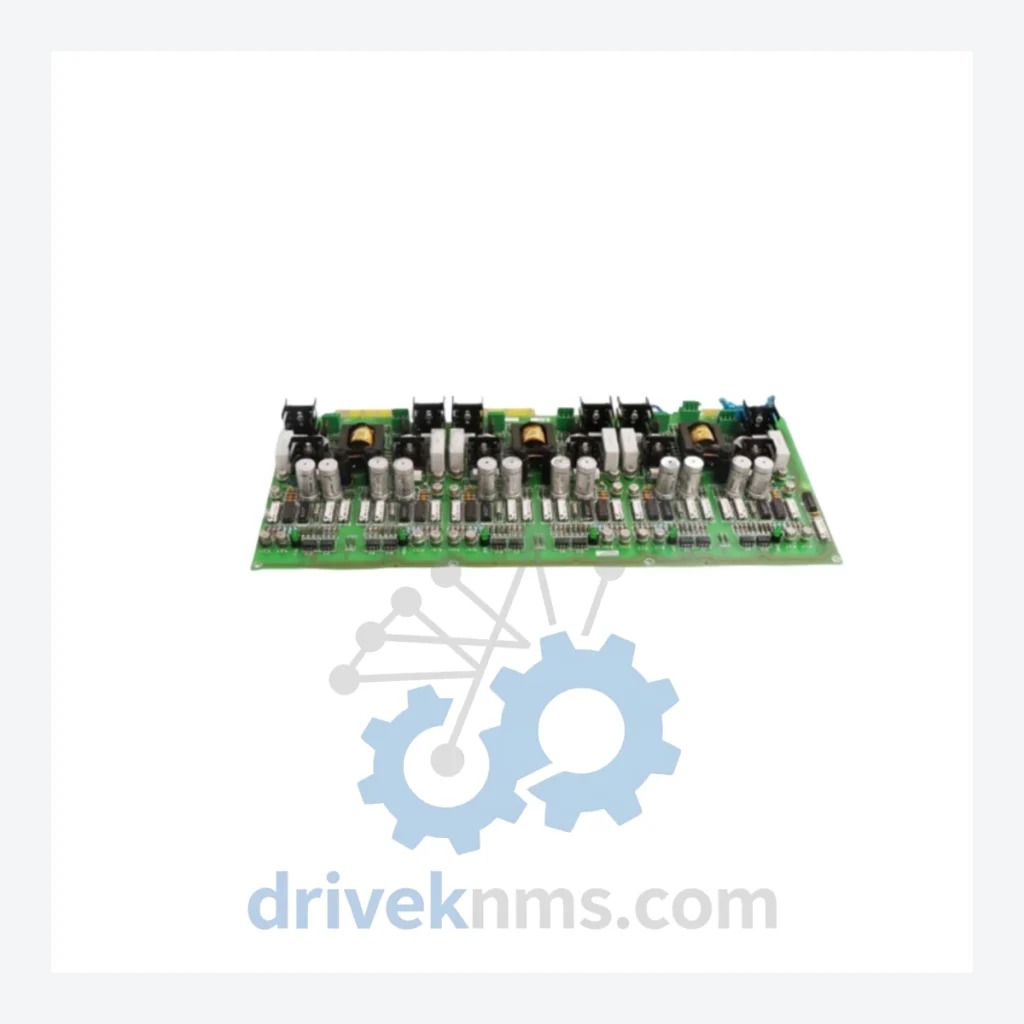
Model: SDCS-PIN-3B
Product Overview
Commercial availability is handled through direct RFQ, model verification and export-oriented follow-up rather than public cart checkout.
Datasheet Preview
Use attached product manuals when available. If the manual is not public yet, request the full file directly through RFQ.
Commercial Path
Product pages on DRIVEKNMS are designed to verify model, brand and series first, then move the buyer into one clean quotation path.
Technical Dossier
When the SDCS-PIN-3B power supply board fails in an ABB DCS500 or DCS600 DC drive system, the consequences extend far beyond a single component. These drive platforms are deeply embedded in steel mills, paper machines, marine propulsion systems, and heavy process lines built in the 1990s and early 2000s. A single unplanned shutdown can cost a facility tens of thousands of dollars per hour in lost production. A forced migration to a modern AC drive architecture — requiring new motors, new cabling, new PLC logic, and months of commissioning — routinely runs into the millions. The SDCS-PIN-3B is no longer manufactured by ABB. DriveKNMS maintains a limited physical inventory of this board, sourced through controlled channels, for facilities that cannot afford to gamble on system availability.
RFQ support for obsolete parts: Send the model number, required quantity and destination so DriveKNMS can confirm sourcing options before quotation.
Note: Electrical parameters specific to individual drive configurations are not published here to prevent misapplication. Contact our technical team for configuration-matched verification before ordering.
The ABB DCS500 and DCS600 series represent a generation of DC drive technology that was engineered for decades of service life. Many of these systems remain in active production roles today — not because operators are unaware of their age, but because the cost and risk of replacing them is prohibitive. The SDCS-PIN-3B sits at the heart of the drive's internal power distribution architecture. It is not a peripheral component. When this board degrades or fails, the entire drive becomes inoperable.
Facilities running ABB DCS500/DCS600 systems can realistically extend operational life by five to ten years through a structured spare parts strategy, without major capital investment. The following approach is used by maintenance teams managing legacy DC drive fleets:
1. Identify single-point-of-failure boards. The SDCS-PIN-3B is one of several boards in the DCS drive stack that has no modern equivalent and cannot be substituted with a generic component. Map your drive inventory and identify which boards are represented by zero spares.
3. Implement a rotation and inspection schedule. Obsolete boards stored for extended periods require periodic inspection — particularly for electrolytic capacitor condition and connector pin integrity. A board that sits uninspected for five years may not perform reliably when installed under emergency conditions.
4. Document firmware and configuration baselines. Before any board swap, ensure drive parameter sets are backed up. DCS600 drives in particular carry application-specific tuning that is not recoverable from hardware alone.
This strategy does not require a capital project. It requires a procurement decision and a storage location. The alternative — an unplanned drive failure with no spare available — forces an emergency engineering response that costs orders of magnitude more.
DriveKNMS applies a 5-step quality process to all obsolete boards before dispatch review:
Step 1 – Visual and Physical Inspection: Full board examination for mechanical damage, burn marks, swollen or leaking electrolytic capacitors, and corrosion on connector pins and solder joints.
Step 2 – Electrolytic Capacitor Assessment: Capacitors are the primary age-related failure point on boards of this generation. Each capacitor is evaluated for ESR (equivalent series resistance) deviation and physical condition. Boards with capacitors showing measurable degradation are flagged for component-level refurbishment before release.
Step 3 – Firmware and Configuration Verification: Where applicable, onboard firmware versions are documented and cross-referenced against known compatible versions for DCS500/DCS600 drive platforms.
Step 4 – Pin and Connector Integrity Check: All edge connectors and pin headers are inspected for oxidation, deformation, and contact resistance. Corroded contacts are treated or the board is rejected from the serviceable inventory.
Step 5 – Functional Test Record: Each board released from our inventory carries a test record. Boards that cannot be verified to a functional standard are not sold as serviceable units.
Drop-in Replacement: The SDCS-PIN-3B installs directly into the existing DCS500/DCS600 drive chassis using the original mounting points and connectors. No mechanical modification is required.
No Reprogramming Required: Drive parameter sets reside in the control board, not the power supply interface board. Replacing the SDCS-PIN-3B does not require re-entry of drive parameters or recommissioning of the application program.
No Engineering Redesign: Unlike a platform migration, a board-level replacement keeps the existing motor, cabling, field supply, and control architecture intact. Maintenance can be performed by existing site personnel familiar with the drive system.
Q: Can you supply other SDCS series boards?
A: Yes. DriveKNMS maintains inventory across the SDCS board family including SDCS-CON, SDCS-FEX, SDCS-IOB, and related interface boards. Contact us with your full bill of materials for a consolidated availability check.
Continue The Model Path
Move from this exact model into the matching system hub, brand archive, model-family archive or lifecycle sourcing route before sending a final RFQ list.
Related Paths
ABB P-HA-RPS-32200000 PHARPS32200000 is listed for Power Supplies RFQ review. Confirm quantity, condition and destination before quotation.
ABB SDCD-POW-4 3ADT315100R1001 is listed for Power Supplies RFQ review. Confirm quantity, condition and destination before quotation.
ABB NPOW-62C 64113429B is listed for Power Supplies RFQ review. Confirm quantity, condition and destination before quotation.