
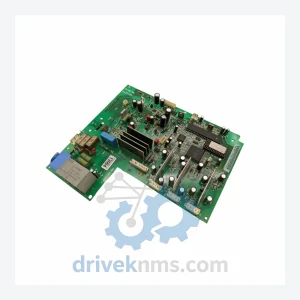
ABB SNAT-7120 Circuit Board – SNAZ7120J Series
ABB SNAT-7120 SNAZ 7120 J SNAZ7120J is listed for SNAZ7120J Series RFQ review. Confirm quantity, condition and destination before quotation.
RFQ-ready industrial model
Model: SPAZ2296P
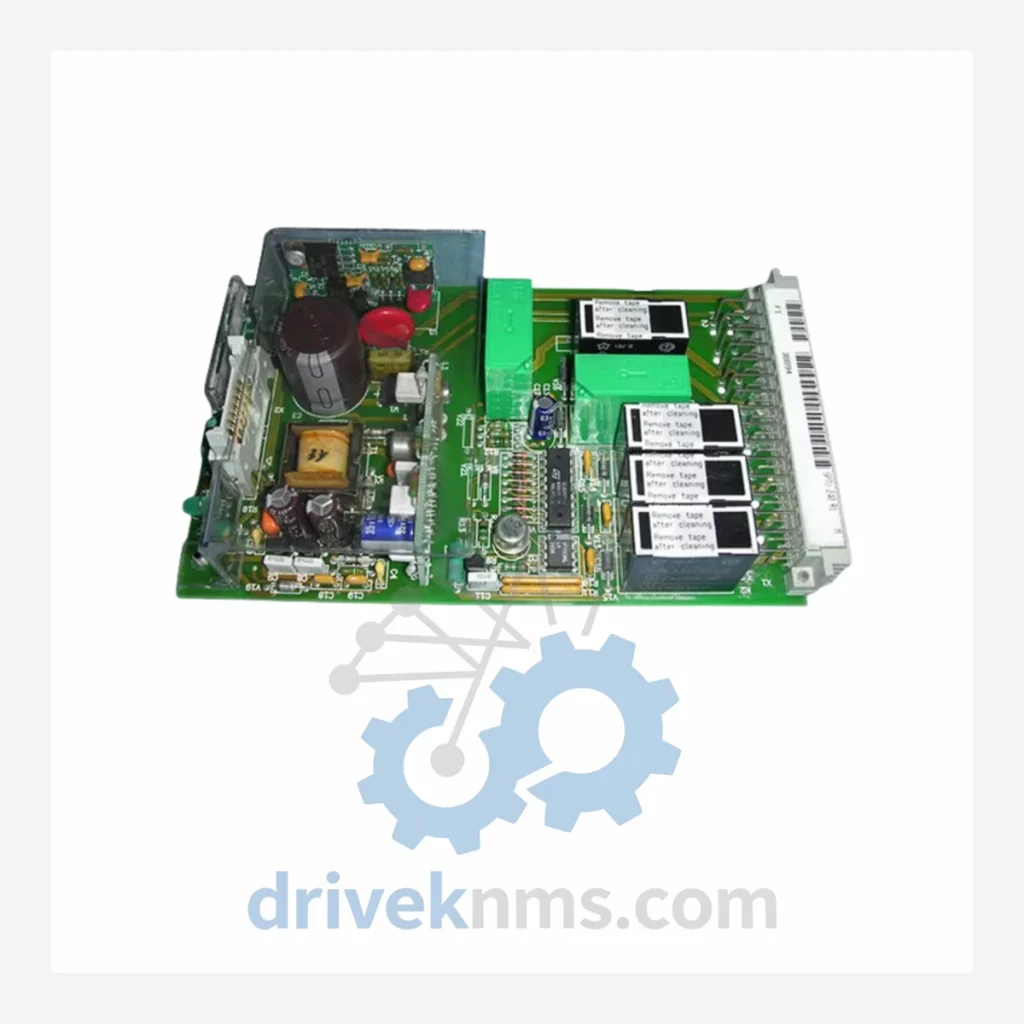
Product Overview
Commercial availability is handled through direct RFQ, model verification and export-oriented follow-up rather than public cart checkout.
Datasheet Preview
Use attached product manuals when available. If the manual is not public yet, request the full file directly through RFQ.
Commercial Path
Product pages on DRIVEKNMS are designed to verify model, brand and series first, then move the buyer into one clean quotation path.
Technical Dossier
DriveKNMS reviews sourcing options for this model through RFQ handling before quotation.
RFQ support for obsolete parts: Send the model number, required quantity and destination so DriveKNMS can confirm sourcing options before quotation.
Note: Electrical parameters such as contact ratings and coil voltage are model-configuration dependent. Confirmed specifications are provided upon request with unit verification documentation.
The ABB SPAD protection relay family was a standard specification for medium-voltage switchgear protection from the late 1980s through the early 2000s. Utilities, industrial plants, and infrastructure operators installed these relays in large quantities. ABB has since transitioned its protection relay portfolio to the REF, RET, and RED series platforms, and SPAD hardware—including the SPAZ2296P relay module—is no longer manufactured or supported through standard distribution channels.
The practical consequence is straightforward: when a SPAZ2296P fails, there is no new replacement available from the OEM. The choice facing the maintenance team is binary—locate a verified spare from the secondary market, or commit to a full relay replacement project. The latter is not simply a procurement exercise. It requires a protection engineer to perform a new coordination study, the panel to be de-energized and rebuilt, and the new relay to be commissioned and tested against the system's protection philosophy. In a live substation or industrial facility, that work carries both financial cost and operational risk.
Sourcing a verified SPAZ2296P from DriveKNMS eliminates that decision entirely. The existing relay remains in service. The protection scheme remains unchanged. The capital budget remains intact.
Obsolete parts sourced from the secondary market carry inherent risk if not properly evaluated. DriveKNMS applies a 5-step quality assurance process to every SPAZ2296P unit before it is offered for sale.
Step 1 – Visual and Mechanical Inspection: Each unit is examined for physical damage, pin corrosion, connector wear, and any evidence of prior field failure or improper handling. Units with corroded or deformed relay pins are rejected at this stage.
Step 2 – Electrolytic Capacitor Assessment: Electrolytic capacitors are the primary age-related failure point in relay modules of this era. Each unit is inspected for capacitor bulging, electrolyte leakage, and ESR degradation. Units with suspect capacitors are either recapped with equivalent-specification components or rejected.
Step 3 – Firmware and Hardware Revision Verification: The firmware version and hardware revision marking are documented and disclosed. This information is critical for compatibility verification in SPAD systems where revision-specific behavior differences exist.
Step 4 – Functional Relay Output Test: Relay coil continuity and contact switching function are verified under controlled conditions. Contact resistance is measured to confirm switching integrity.
Step 5 – Packaging and ESD Protection: Units are packaged in anti-static materials with desiccant to prevent moisture ingress during storage and transit. Each unit ships with a condition report.
The SPAZ2296P is a direct hardware replacement for the same module position within the SPAD relay chassis. Installation does not require relay reprogramming, protection setting re-entry, or any modification to the existing panel wiring. The module seats into the existing backplane connector and the relay resumes normal operation under the existing configuration.
For facilities with multiple SPAD relay installations, a single buffer unit of the SPAZ2296P can serve as insurance across multiple relay bays using the same module type, reducing the total spare parts investment required to protect a large installed base.
How do I confirm the unit is genuine ABB and not a counterfeit?
Each unit supplied by DriveKNMS includes documentation of its physical markings, hardware revision, and condition assessment. We source from verified industrial decommissioning channels and do not handle units of unknown provenance. Customers requiring additional traceability documentation should request this at the time of inquiry.
Should I buy more than one unit?
For facilities with multiple SPAD relay installations using the SPAZ2296P, holding a minimum of two buffer units is a defensible maintenance strategy. Secondary market availability of this module is finite and will not improve over time. The cost of holding a spare unit is fixed; the cost of an unplanned outage caused by an unavailable part is not.
Can you source other SPAD series modules?
Yes. DriveKNMS specializes in obsolete and hard-to-find industrial automation and protection relay components. Contact us with your full part number and we will advise on availability.
Continue The Model Path
Move from this exact model into the matching system hub, brand archive, model-family archive or lifecycle sourcing route before sending a final RFQ list.
Related Paths
ABB SNAT-7120 SNAZ 7120 J SNAZ7120J is listed for SNAZ7120J Series RFQ review. Confirm quantity, condition and destination before quotation.
ABB PM564-TP-ETH 1SAP121100R0071 is listed for Servo Drives RFQ review. Confirm quantity, condition and destination before quotation.
ABB SCDCS-CON-4 is listed for CON-4 Control Board RFQ review. Confirm quantity, condition and destination before quotation.