
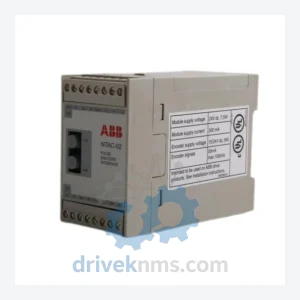
ABB PM253V01 Processor Module – Obsolete Advant Controller AC250 Spare Part
ABB PM253V01 is listed for PLC Modules RFQ review. Confirm quantity, condition and destination before quotation.
RFQ-ready industrial model
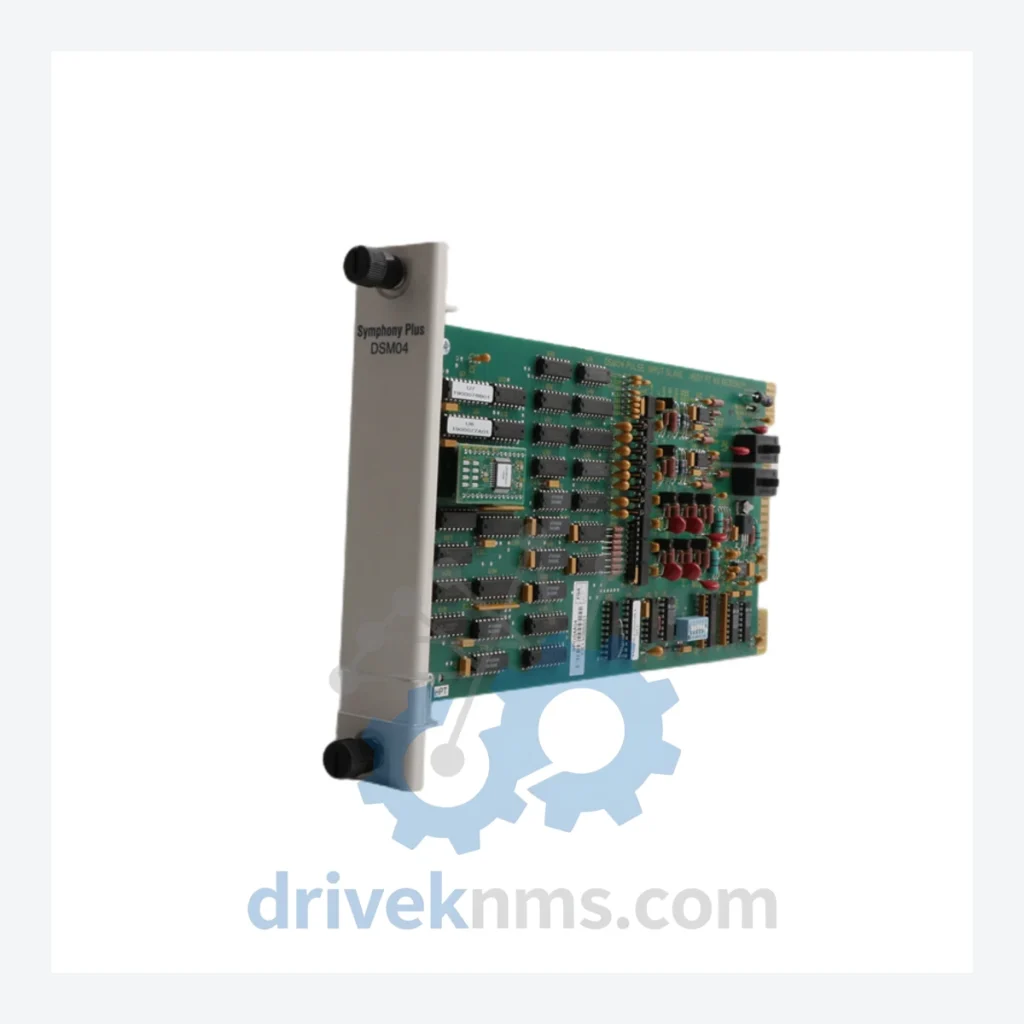
Model: SPDSM04
Product Overview
Commercial availability is handled through direct RFQ, model verification and export-oriented follow-up rather than public cart checkout.
Datasheet Preview
Use attached product manuals when available. If the manual is not public yet, request the full file directly through RFQ.
Commercial Path
Product pages on DRIVEKNMS are designed to verify model, brand and series first, then move the buyer into one clean quotation path.
Technical Dossier
RFQ support for obsolete parts: Send the model number, required quantity and destination so DriveKNMS can confirm sourcing options before quotation.
| Manufacturer | ABB |
| Part Number | SPDSM04 |
| Module Type | Pulse Input Module |
| Compatible Platform | ABB Freelance DCS (AC700F / AC800F series) |
| Country of Origin | Germany |
| Product Status | Discontinued / Obsolete |
| Replacement Strategy | Drop-in hardware replacement; no re-engineering required |
Note: Electrical parameters are confirmed only against verified documentation. No speculative data is published on this page. Contact our technical team for full datasheet access.
The ABB Freelance DCS platform — encompassing the AC700F and AC800F controller families — was deployed extensively across European and Asian process industries from the late 1990s through the 2010s. The SPDSM04 Pulse Input Module served as a dedicated signal conditioning and counting interface within these architectures, handling high-frequency pulse trains from flow meters, turbine sensors, and rotary encoders. Its role is functionally specific: it cannot be substituted by a standard DI module without firmware-level reconfiguration and, in many cases, hardware bus adapter changes.
Q: How are RFQ terms confirmed?
A: Quantity, required condition, documentation needs, destination and sourcing route are confirmed during RFQ review before quotation.
Every SPDSM04 unit processed by DriveKNMS undergoes a structured 5-step quality assurance protocol before it is offered for sale. This protocol is designed specifically for legacy industrial modules where component aging — not mechanical damage — is the primary failure mode.
Step 1 – Visual and Physical Inspection: Full board-level inspection for pin corrosion, connector wear, PCB delamination, and physical damage. Units with compromised backplane connectors are rejected at this stage.
Step 2 – Electrolytic Capacitor Assessment: Electrolytic capacitors are the primary aging component in modules of this generation. Each unit is assessed for capacitor bulging, leakage, and ESR deviation. Units with degraded capacitors are either reconditioned with OEM-equivalent components or rejected.
Step 3 – Firmware Version Verification: The onboard firmware revision is confirmed against known-compatible versions for the target Freelance DCS release. Mismatched firmware versions are flagged and disclosed to the customer prior to shipment.
Step 4 – Functional Bench Test: The module is powered and tested under simulated pulse input conditions. Output signal integrity and communication bus response are verified against baseline parameters.
Step 5 – Final Documentation and Packaging: Each unit ships with a condition report, test record, and anti-static protective packaging rated for long-term storage. Traceability documentation is provided on request.
No Engineering Rework Required: Unlike a platform migration, replacing a failed SPDSM04 with a verified unit requires zero changes to the control strategy, HMI configuration, or historian tags. The system resumes operation with the existing software stack intact.
Capital Expenditure Avoidance: The cost of a single verified SPDSM04 unit is orders of magnitude below the cost of a DCS platform upgrade. For facilities operating under tight CAPEX constraints, this is a defensible maintenance strategy that can be presented to finance and operations leadership with a clear ROI calculation.
Q: How is condition confirmed before quotation?
A: Available condition, photos, test records and documentation are checked according to the requested model and sourcing channel before a formal RFQ response.
Q: How should we store spare SPDSM04 units long-term?
A: Store in anti-static packaging in a climate-controlled environment (15–25°C, relative humidity below 60%). Avoid proximity to strong magnetic fields or vibration sources. Inspect annually for connector oxidation.
Continue The Model Path
Move from this exact model into the matching system hub, brand archive, model-family archive or lifecycle sourcing route before sending a final RFQ list.
Related Paths
ABB PM253V01 is listed for PLC Modules RFQ review. Confirm quantity, condition and destination before quotation.
ABB PAB02 P70870-4-0369059 369059A10 is listed for Proface Series RFQ review. Confirm quantity, condition and destination before quotation.
ABB NAOM01 is listed for PLC Modules RFQ review. Confirm quantity, condition and destination before quotation.