
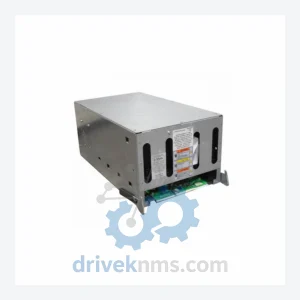
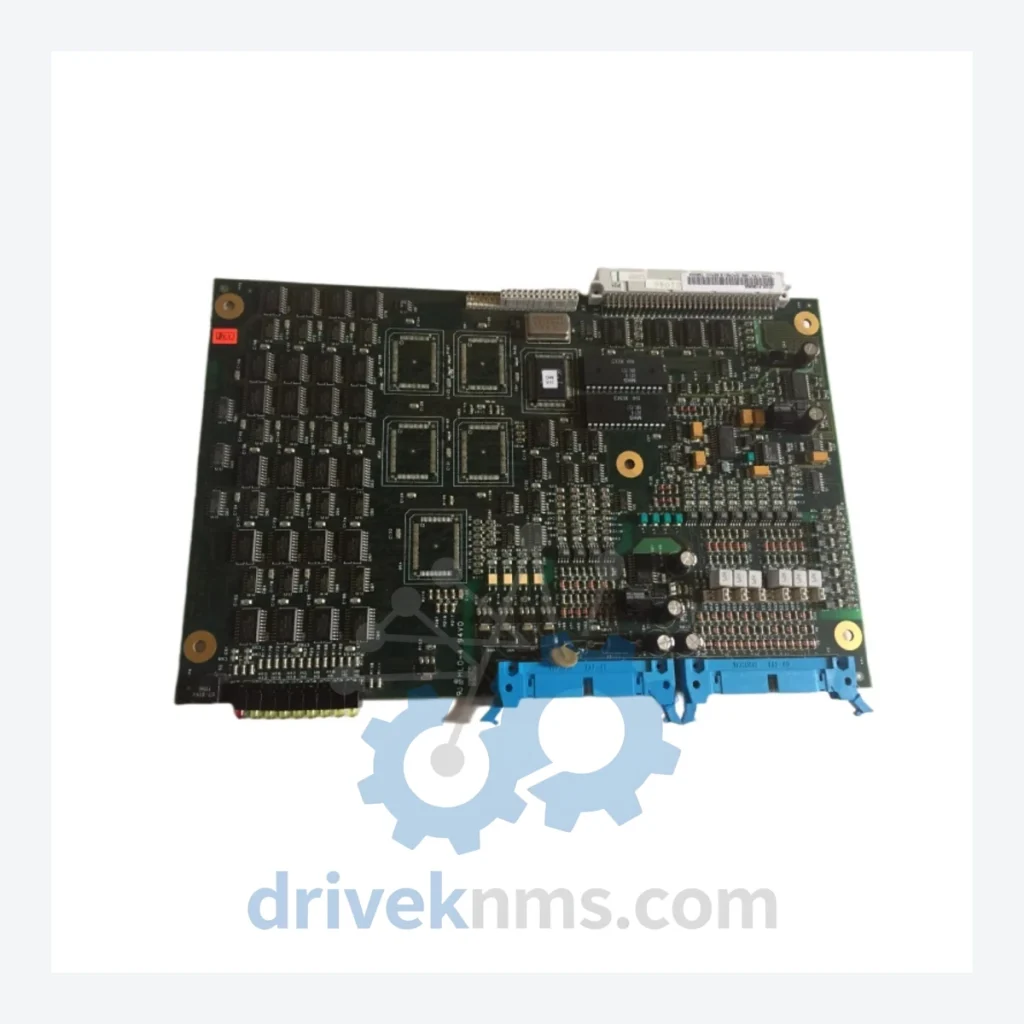
ABB YPN107A YT204001-DM Circuit Board – UNITROL Series
ABB YPN107A YT204001-DM is listed for UNITROL RFQ review. Confirm quantity, condition and destination before quotation.
RFQ-ready industrial model
Model: YPH 108B(61156844)
Product Overview
Commercial availability is handled through direct RFQ, model verification and export-oriented follow-up rather than public cart checkout.
Datasheet Preview
Use attached product manuals when available. If the manual is not public yet, request the full file directly through RFQ.
Commercial Path
Product pages on DRIVEKNMS are designed to verify model, brand and series first, then move the buyer into one clean quotation path.
Technical Dossier
RFQ support for obsolete parts: Send the model number, required quantity and destination so DriveKNMS can confirm sourcing options before quotation.
Note: Electrical parameters such as voltage ratings and signal ranges are not published here to prevent misapplication. Contact us for verified technical documentation prior to installation.
The ABB UNITROL family of excitation controllers has been deployed across power generation facilities, large industrial drives, and synchronous motor applications for decades. The YPH 108B speed measurement board serves as a critical feedback element within this architecture — it translates rotational speed signals into data the excitation controller uses to regulate generator output and protect against runaway conditions.
ABB has formally discontinued this board. No authorized replacement exists that installs without firmware reconfiguration or hardware adaptation. For plant managers operating aging UNITROL-based systems, this creates a binary choice: locate original hardware, or commit to a full system replacement program.
A full excitation system replacement on a large synchronous generator or industrial drive typically involves new controller hardware, updated field wiring, revised protection relay coordination, factory acceptance testing, and a planned outage window measured in weeks — not days. The engineering and commissioning costs alone frequently exceed USD 500,000 on large installations, before accounting for lost production revenue.
Maintaining a verified spare of the YPH 108B on-site converts this risk from a potential capital crisis into a routine maintenance event. Mean time to repair drops from months to hours. That is the operational logic behind strategic obsolete parts inventory.
For factory management teams facing pressure to retire aging automation assets, the financial case for targeted spare parts investment is straightforward. The following approach has been applied successfully across power generation and heavy industrial facilities operating legacy ABB excitation and drive systems:
1. Criticality mapping: Identify every board and module within your UNITROL or legacy ABB drive system that is no longer available through standard distribution. Rank them by failure consequence — boards that cause full production stops rank highest.
2. Failure mode analysis: For speed measurement boards specifically, the dominant failure modes are electrolytic capacitor degradation (particularly in high-ambient-temperature environments), connector pin oxidation, and optical encoder interface deterioration. These are predictable, time-dependent failure modes — not random events.
4. Controlled storage: Obsolete electronic boards require climate-controlled storage (typically 15–25°C, relative humidity below 60%) to prevent accelerated aging. Boards stored correctly retain full functionality for 10+ years.
5. Documented change management: Maintain a register of installed firmware versions and hardware revisions for all legacy boards. When a replacement is installed, verify revision compatibility before energizing. This single step prevents the majority of post-replacement commissioning failures.
Executed systematically, this approach extends the operational life of a UNITROL-based excitation system by 5 to 10 years at a fraction of the cost of system replacement — and without the operational disruption that a forced migration would impose.
Every YPH 108B unit that leaves our facility has passed a structured 5-step quality process before it is offered for sale:
Step 1 – Visual and mechanical inspection: Full board examination for physical damage, burnt components, cracked solder joints, and connector pin corrosion. Units with irreversible mechanical damage are rejected at this stage.
Step 3 – Firmware and revision verification: The hardware revision marking and any embedded firmware identifiers are documented and cross-referenced against known compatible revisions for UNITROL system variants. Revision mismatches are flagged before sale.
Step 4 – Connector and interface cleaning: All edge connectors and pin interfaces are cleaned using appropriate contact cleaning agents and inspected under magnification. Oxidized contacts are treated; severely corroded connectors result in unit rejection.
Step 5 – Functional verification (where test equipment permits): Units are bench-tested against known-good reference signals where our test infrastructure supports it. Test results are documented and available to the buyer on request.
Drop-in replacement: The YPH 108B installs directly into the original board slot within compatible UNITROL excitation systems. No hardware modification to the host system is required.
No reprogramming required: Unlike modern replacement modules that require parameter re-entry or software reconfiguration, the YPH 108B restores system function without touching the controller configuration. This eliminates the risk of parameter corruption during emergency repairs.
Avoids engineering reconstruction costs: Substituting a non-original board into a legacy excitation system typically requires a protection engineer to re-validate the system's speed feedback loop. Using the original YPH 108B bypasses this requirement entirely, reducing repair cost and time.
Q: Can you supply documentation with the part?
A: Available documentation — including any retained datasheet references, test records, and revision identification — is provided with each shipment. We do not fabricate documentation; what we have, we share.
Continue The Model Path
Move from this exact model into the matching system hub, brand archive, model-family archive or lifecycle sourcing route before sending a final RFQ list.
Related Paths
ABB YPN107A YT204001-DM is listed for UNITROL RFQ review. Confirm quantity, condition and destination before quotation.
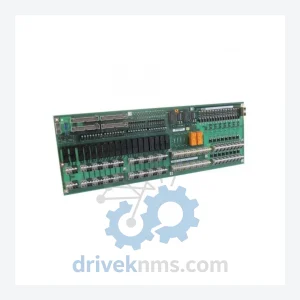
ABB XF D213 A 3BHE028122R0001 is listed for UNITROL RFQ review. Confirm quantity, condition and destination before quotation.
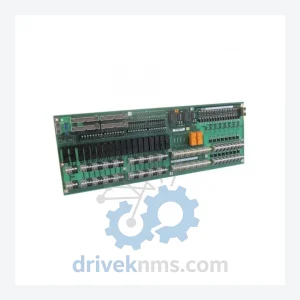
ABB HIEE405246R0001 UNS0867a-P V1 is listed for UNITROL RFQ review. Confirm quantity, condition and destination before quotation.