
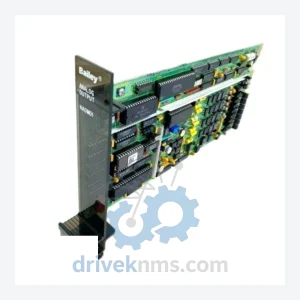
ABB S500 I/O Modules NAOM01
ABB NAOM01 is listed for PLC Modules RFQ review. Confirm quantity, condition and destination before quotation.
RFQ-ready industrial model
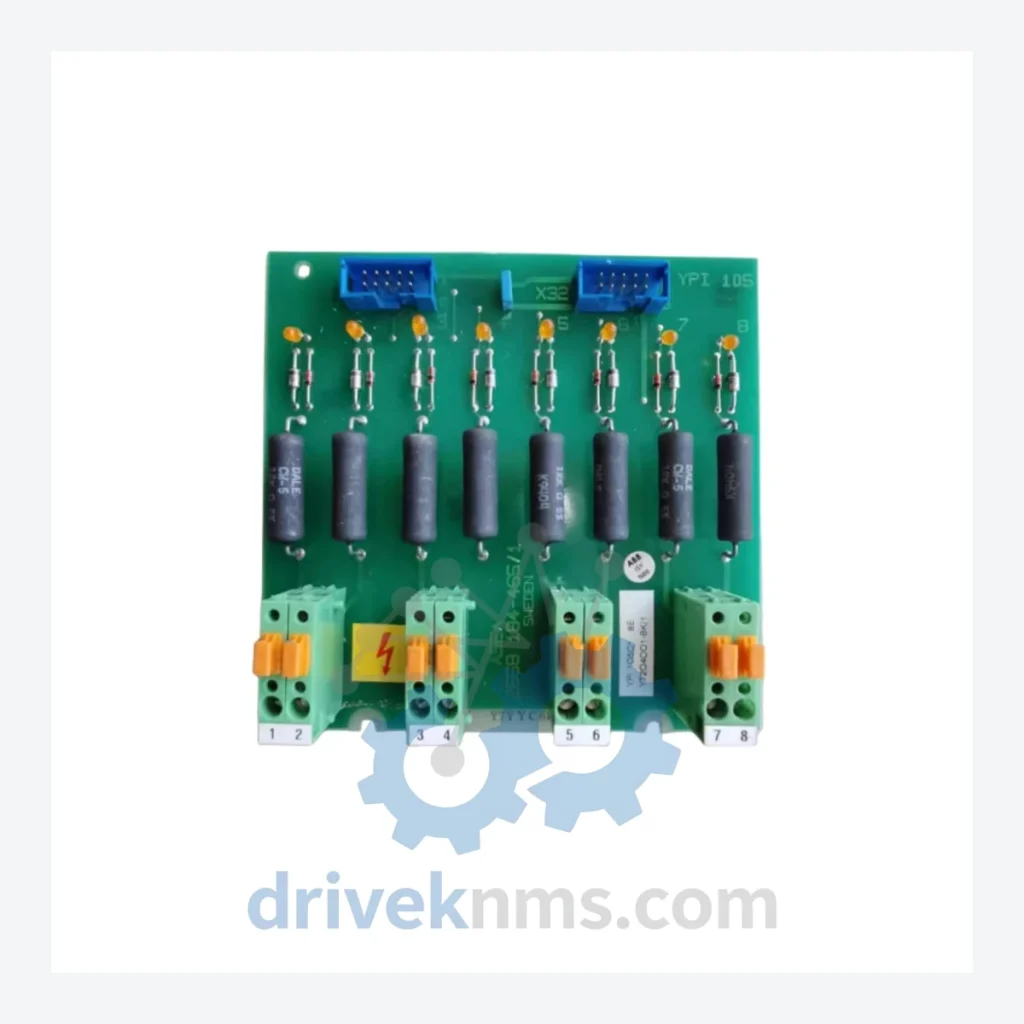
Model: YPI105C YT204001-BK
Product Overview
Commercial availability is handled through direct RFQ, model verification and export-oriented follow-up rather than public cart checkout.
Datasheet Preview
Use attached product manuals when available. If the manual is not public yet, request the full file directly through RFQ.
Commercial Path
Product pages on DRIVEKNMS are designed to verify model, brand and series first, then move the buyer into one clean quotation path.
Technical Dossier
The ABB Advant Master system — commercially deployed from the mid-1980s through the 2000s — represents one of ABB's most widely installed Distributed Control System (DCS) platforms in global heavy industry. The YPI105C YT204001-BK is a Digital Input (DI) module within this architecture, designed for high-density binary signal acquisition from field instruments, limit switches, and process interlocks. Advant Master installations remain active in petrochemical complexes, nuclear auxiliary systems, pulp and paper mills, and offshore platforms across Europe, the Middle East, and Asia-Pacific. The installed base is substantial enough that spare parts demand persists well beyond ABB's official end-of-life declarations for this platform.
The Advant Master platform was introduced by ABB (then ASEA Brown Boveri) as a successor to the ASEA Master system. Its architecture is built around the Advant Fieldbus 100 (AF100) and RCOM communication protocols, with a modular backplane structure that allows mixed I/O configurations within a single rack. Early hardware generations (circa 1986–1993) used the YP-series module designations with discrete sub-board identifiers (e.g., YT204001-BK suffix denoting board revision and color-coded connector variant). Mid-generation revisions introduced improved EMC shielding and extended temperature tolerance for harsh-environment enclosures. The platform reached functional maturity by the mid-1990s; subsequent releases focused on communication gateway expansion (Profibus, FOUNDATION Fieldbus) rather than core I/O redesign. ABB formally transitioned customers toward the System 800xA platform from approximately 2003 onward, rendering the Advant Master a legacy-class system. However, the 20–30 year operational lifespan of DCS installations in refinery and power generation contexts means that YPI-series modules continue to be sourced as critical maintenance spares.
The following SKUs represent verified, commonly sourced modules within the ABB Advant Master platform. Each entry reflects a distinct functional role within the system architecture.
Digital Input (DI) Modules
Digital Output (DO) Modules
Analog Input (AI) Modules
Analog Output (AO) Modules
CPU / Controller Modules
Communication & Adapter Modules
Advant Master modules use a proprietary backplane bus protocol that requires functional validation beyond standard power-on testing. DriveKNMS applies the following test protocol to all YPI-series and related modules prior to shipment:
Continue The Model Path
Move from this exact model into the matching system hub, brand archive, model-family archive or lifecycle sourcing route before sending a final RFQ list.
Related Paths
ABB NAOM01 is listed for PLC Modules RFQ review. Confirm quantity, condition and destination before quotation.
ABB PAB02 P70870-4-0369059 369059A10 is listed for Proface Series RFQ review. Confirm quantity, condition and destination before quotation.
ABB PM253V01 is listed for PLC Modules RFQ review. Confirm quantity, condition and destination before quotation.