
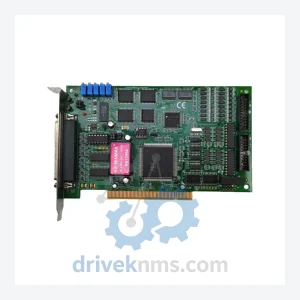
ADLINK PCI-9114DG DAQ Card – Multifunction Data Acquisition
Adlink PCI-9114DG is listed for Servo Drives RFQ review. Confirm quantity, condition and destination before quotation.
RFQ-ready industrial model
Model: CPCI-6920/S408/M4G(G)-1270
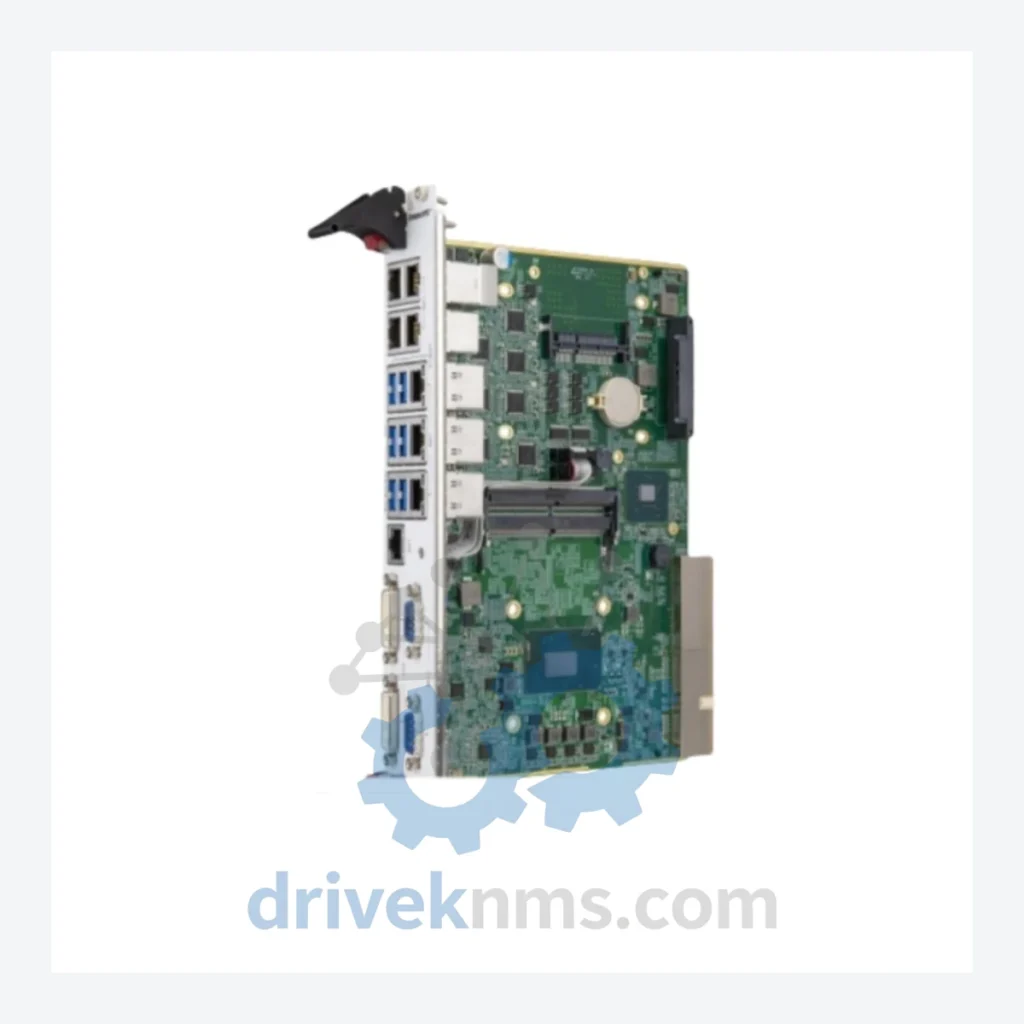
Product Overview
Commercial availability is handled through direct RFQ, model verification and export-oriented follow-up rather than public cart checkout.
Datasheet Preview
Use attached product manuals when available. If the manual is not public yet, request the full file directly through RFQ.
Commercial Path
Product pages on DRIVEKNMS are designed to verify model, brand and series first, then move the buyer into one clean quotation path.
Technical Dossier
RFQ support for obsolete parts: Send the model number, required quantity and destination so DriveKNMS can confirm sourcing options before quotation.
| Parameter | Detail |
|---|---|
| Manufacturer | Adlink Technology |
| Part Number | CPCI-6920/S408/M4G(G)-1270 |
| Form Factor | 3U CompactPCI (PICMG 2.0) |
| Processor | Intel Core i7-2710QE (Sandy Bridge, 2.1 GHz, quad-core) |
| Memory Configuration | 4 GB DDR3 SO-DIMM (as configured) |
| Storage Option | SSD module (configuration-dependent) |
| Bus Interface | CompactPCI 32-bit / 33 MHz |
| Operating System Support | Windows XP/7, VxWorks, Linux (kernel-dependent) |
| Product Status | Discontinued / End-of-Life (EOL) |
| Typical System Compatibility | Adlink CPCI chassis; legacy PICMG 2.0 backplanes |
| Country of Origin | Taiwan |
Note: Electrical parameters listed reflect published Adlink documentation. Any parameter not confirmed by original datasheet is intentionally omitted. DriveKNMS does not fabricate specifications.
The CPCI-6920 series was deployed extensively in industrial automation, defense test systems, and telecommunications infrastructure during the late 2000s and early 2010s. Its 3U CompactPCI architecture made it a natural fit for high-availability chassis environments where hot-swap capability and rugged bus integrity were non-negotiable. Adlink has since moved its CPU board roadmap to newer form factors, leaving CPCI-6920 operators without a factory supply channel.
The practical consequence is straightforward: when a board fails, the only options are a full platform migration or a qualified second-market replacement. Migration is not a maintenance decision — it is a capital project. It requires new chassis, new backplanes, new software qualification, and in regulated industries, new validation cycles. For a mid-size manufacturing facility, that total cost routinely exceeds USD 500,000 when engineering labor, lost production, and re-certification are included.
A verified replacement CPCI-6920/S408/M4G(G)-1270 board from DriveKNMS eliminates that exposure. The board slots into the existing chassis, runs the existing software image, and restores production without a single line of new code or a single day of system re-engineering.
How to extend your automation asset life by 5–10 years using critical spare parts:
Facilities that treat legacy spare parts as a procurement category rather than an emergency purchase consistently achieve lower total maintenance cost and longer asset service life. The CPCI-6920 platform, properly supported with qualified spares, can remain in productive service well beyond its original design horizon.
Every CPCI-6920/S408/M4G(G)-1270 unit processed by DriveKNMS passes a structured 5-step qualification protocol before it is offered for sale. This protocol is designed specifically for discontinued hardware, where age-related degradation is the primary failure risk.
How do I confirm the unit is genuine and not counterfeit?
All units are sourced through documented channels. Adlink part markings, board revision labels, and serial number formats are verified against known-good references. Customers may request pre-shipment photographs of the specific unit prior to purchase.
Can you source specific firmware versions?
Where multiple firmware revisions are available in inventory, DriveKNMS will match the customer's installed revision on a best-effort basis. Customers are advised to document their current firmware version before a failure event occurs.
Continue The Model Path
Move from this exact model into the matching system hub, brand archive, model-family archive or lifecycle sourcing route before sending a final RFQ list.
Related Paths
Adlink PCI-9114DG is listed for Servo Drives RFQ review. Confirm quantity, condition and destination before quotation.
Adlink PCI-9810 is listed for PCI Series RFQ review. Confirm quantity, condition and destination before quotation.
Adlink cPCI-6210/510E/M4G/TEL cPCI-6210 is listed for Controller Cards RFQ review. Confirm quantity, condition and destination before quotation.