
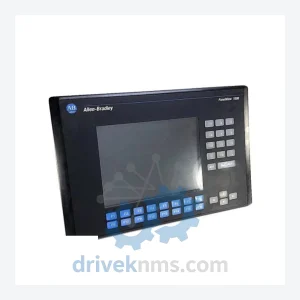
Allen-Bradley 2711-K10C15L1
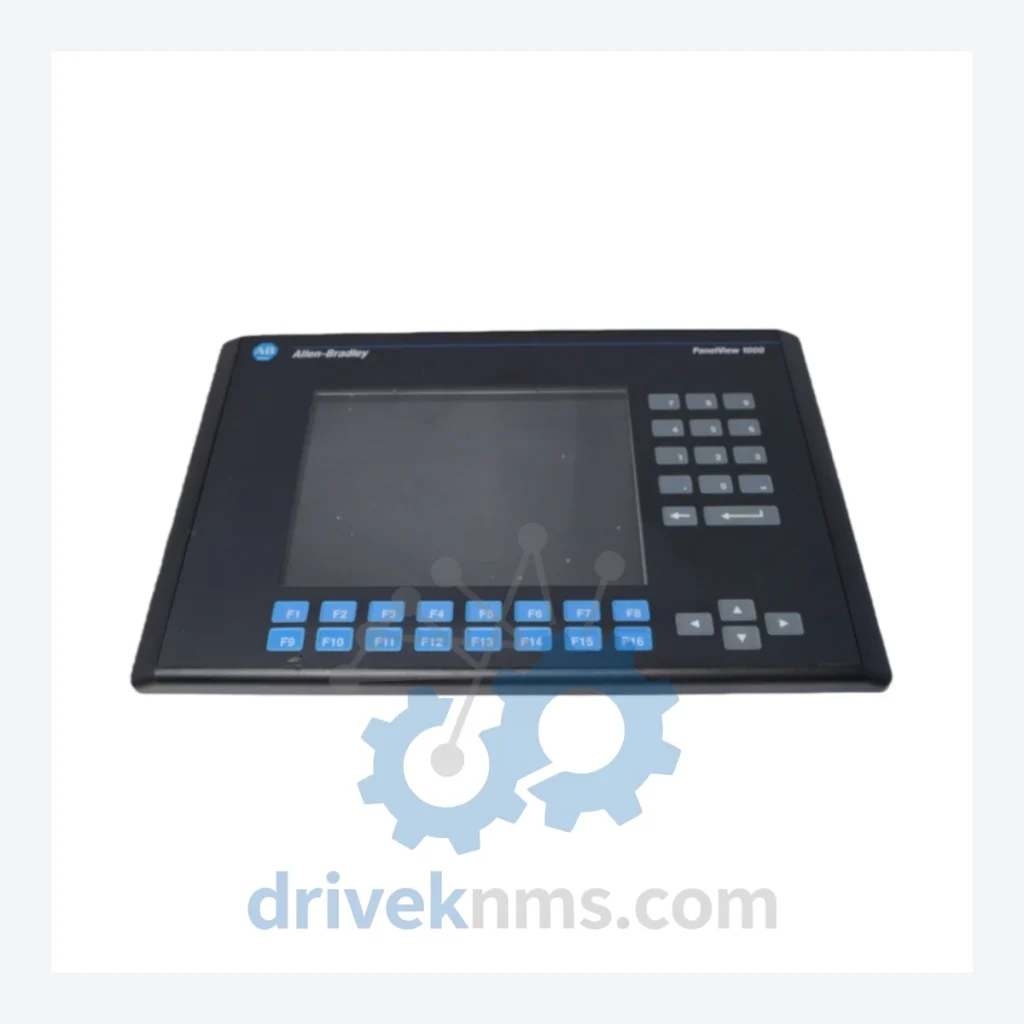
Allen-Bradley PanelView 1000 Color Keypad is listed for PanelView RFQ review. Confirm quantity, condition and destination before quotation.
RFQ-ready industrial model
Model: 2711-K10G9X
Product Overview
Commercial availability is handled through direct RFQ, model verification and export-oriented follow-up rather than public cart checkout.
Datasheet Preview
Use attached product manuals when available. If the manual is not public yet, request the full file directly through RFQ.
Commercial Path
Product pages on DRIVEKNMS are designed to verify model, brand and series first, then move the buyer into one clean quotation path.
Technical Dossier
The Allen-Bradley PanelView 550 (catalog prefix: 2711-K) is a fixed-size, keypad- and touch-operated human-machine interface (HMI) platform developed by Rockwell Automation. With a 5.5-inch monochrome or color display and a compact panel-mount footprint, the PanelView 550 achieved widespread deployment across heavy industrial sectors including petrochemical processing, nuclear auxiliary systems, oil refinery control loops, pulp and paper lines, and municipal water treatment facilities. Its DH-485, DH+, DF1, and DeviceNet communication options made it compatible with the full Allen-Bradley PLC-5, SLC 500, and MicroLogix controller families, cementing its role as the standard operator terminal for mid-tier process control panels throughout the 1990s and 2000s.
The PanelView 550 was introduced in the early 1990s as part of Rockwell Automation's first-generation graphical operator terminal lineup, succeeding the PanelView 550 monochrome keypad units. The 2711-K series standardized on a 320×240 pixel STN LCD display and introduced configurable function keys (F1–F10) alongside dedicated numeric entry zones. Communication architecture evolved across hardware revisions: early units relied exclusively on DH-485 serial links at 19.2 kbps; later revisions added DF1 full-duplex and half-duplex support, enabling direct RS-232 connections to SLC 5/03 and 5/04 processors without a network adapter. The introduction of the 2711-KF5 and 2711-KF6 sub-families added DeviceNet and DH+ gateway capability respectively, extending the platform's reach into distributed I/O architectures. PanelView 550 terminals were programmed exclusively via PanelBuilder 1400e and later PanelBuilder32 software, both of which have been discontinued. Rockwell Automation issued an end-of-life notice for the 2711-K series; the designated migration path is the PanelView Component C600 (2711C-K6M) or PanelView Plus 6 (2711P-K6) platform. Installed base units remain in service across legacy facilities where control system modernization is deferred, creating sustained demand for certified replacement and spare modules.
Keypad Units — Monochrome STN LCD, DH-485 Communication
Keypad Units — Color STN LCD, DH-485 / DF1 Communication
Touch Screen Units — Monochrome & Color, Multiple Communication Protocols
DH+ and DeviceNet Gateway Variants
Accessories & Replacement Components
Each 2711-K and 2711-T unit processed by DriveKNMS undergoes a structured inspection protocol specific to the platform's known failure modes. Display assemblies are evaluated under controlled lighting for STN LCD delamination, contrast uniformity, and backlight inverter output stability. Keypad membranes are tested across all function key zones using a continuity matrix to identify worn or intermittent contacts — a common failure in units with high operator cycle counts. Communication ports (DH-485 RJ45, RS-232 DB9, DeviceNet micro-connector) are verified using protocol-level handshake testing against a reference SLC 5/04 processor. Power supply sections are load-tested at rated input voltage (24 VDC ±10% or 120 VAC ±10%) with output ripple measurement. Units that pass all stages are assigned a condition grade (Tested Surplus / Refurbished) and documented with a test record available on request. Units with cosmetic enclosure damage but fully functional electronics are listed separately at adjusted pricing.
Continue The Model Path
Move from this exact model into the matching system hub, brand archive, model-family archive or lifecycle sourcing route before sending a final RFQ list.
Related Paths
Allen-Bradley PanelView 1000 Color Keypad is listed for PanelView RFQ review. Confirm quantity, condition and destination before quotation.
Allen-Bradley 2711-B5A1 is listed for PanelView RFQ review. Confirm quantity, condition and destination before quotation.
Allen-Bradley 2711-K3A17L1 is listed for PanelView RFQ review. Confirm quantity, condition and destination before quotation.