
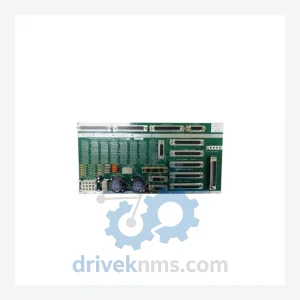
Applied Materials PCB ASSY Modules: 0100-01577
Applied Materials 0100-01577 is listed for Controller Cards RFQ review. Confirm quantity, condition and destination before quotation.
RFQ-ready industrial model
Model: 0200-06355 1220-01011 0242-02385
Product Overview
Commercial availability is handled through direct RFQ, model verification and export-oriented follow-up rather than public cart checkout.
Datasheet Preview
Use attached product manuals when available. If the manual is not public yet, request the full file directly through RFQ.
Commercial Path
Product pages on DRIVEKNMS are designed to verify model, brand and series first, then move the buyer into one clean quotation path.
Technical Dossier
If your facility is still operating AMAT Centura, Producer, or P5000 platforms — or any legacy atmospheric handler that relies on this blade geometry — a single unit in your MRO cabinet is the difference between a scheduled swap and an emergency line stoppage.
RFQ support for obsolete parts: Send the model number, required quantity and destination so DriveKNMS can confirm sourcing options before quotation.
| Field | Detail |
|---|---|
| Part Number (Primary) | 0200-06355 |
| Cross Reference | 1220-01011 / 0242-02385 |
| OEM | Applied Materials (AMAT) |
| Component Type | Blade, Ceramic, Open Pocket (Wafer End-Effector) |
| Material | Technical Ceramic (Alumina-based) |
| Application | Atmospheric wafer transfer robot, 200mm / 300mm handler |
| Compatible Platforms | AMAT Centura, Producer, P5000 series (verify with your robot assembly drawing) |
| OEM Production Status | Discontinued – No longer manufactured by Applied Materials |
| Country of Origin | United States |
Note: Electrical parameters are not applicable to this mechanical ceramic component. All compatibility data should be verified against your specific robot assembly revision before installation.
Q: How are RFQ terms confirmed?
A: Quantity, required condition, documentation needs, destination and sourcing route are confirmed during RFQ review before quotation.
When AMAT discontinued this part, facilities were left with three options: cannibalize other tools, attempt ceramic machining from third-party blanks (which introduces dimensional risk and qualification cost), or source from the secondary market. The first two options carry process risk. The third — sourcing from a verified distributor with sourcing status — is the only path that preserves tool uptime without triggering a full platform requalification.
DriveKNMS applies a 5-step inspection protocol to all ceramic wafer handling components before dispatch review:
Q: How is condition confirmed before quotation?
A: Available condition, photos, test records and documentation are checked according to the requested model and sourcing channel before a formal RFQ response.
How do I know the part is genuine and not a counterfeit or non-OEM substitute?
We source through controlled industrial channels and verify part markings, geometry, and material characteristics against known reference units. Our inspection report accompanies every shipment. If you require additional traceability documentation, contact us before quotation confirmation.
Q: Can you support multi-unit or repeat RFQ requests?
A: Yes. Send the model list, target quantity and destination so DRIVEKNMS can review sourcing options and quote the requirement as a project RFQ.
Can you source other discontinued AMAT parts?
Yes. DriveKNMS specializes in hard-to-find and obsolete components across major semiconductor and industrial automation OEMs. Contact us with your part number and we will advise on availability.
Continue The Model Path
Move from this exact model into the matching system hub, brand archive, model-family archive or lifecycle sourcing route before sending a final RFQ list.
Related Paths
Applied Materials 0100-01577 is listed for Controller Cards RFQ review. Confirm quantity, condition and destination before quotation.
Applied Materials 0021-26544 853-021818-002 0040-13306 is listed for Controller Cards RFQ review. Confirm quantity, condition and destination before quotation.
Applied Materials 0040-49884 E7627/Z 0150-00947 is listed for Controller Cards RFQ review. Confirm quantity, condition and destination before quotation.