Technical Dossier
Product Details And Specifications
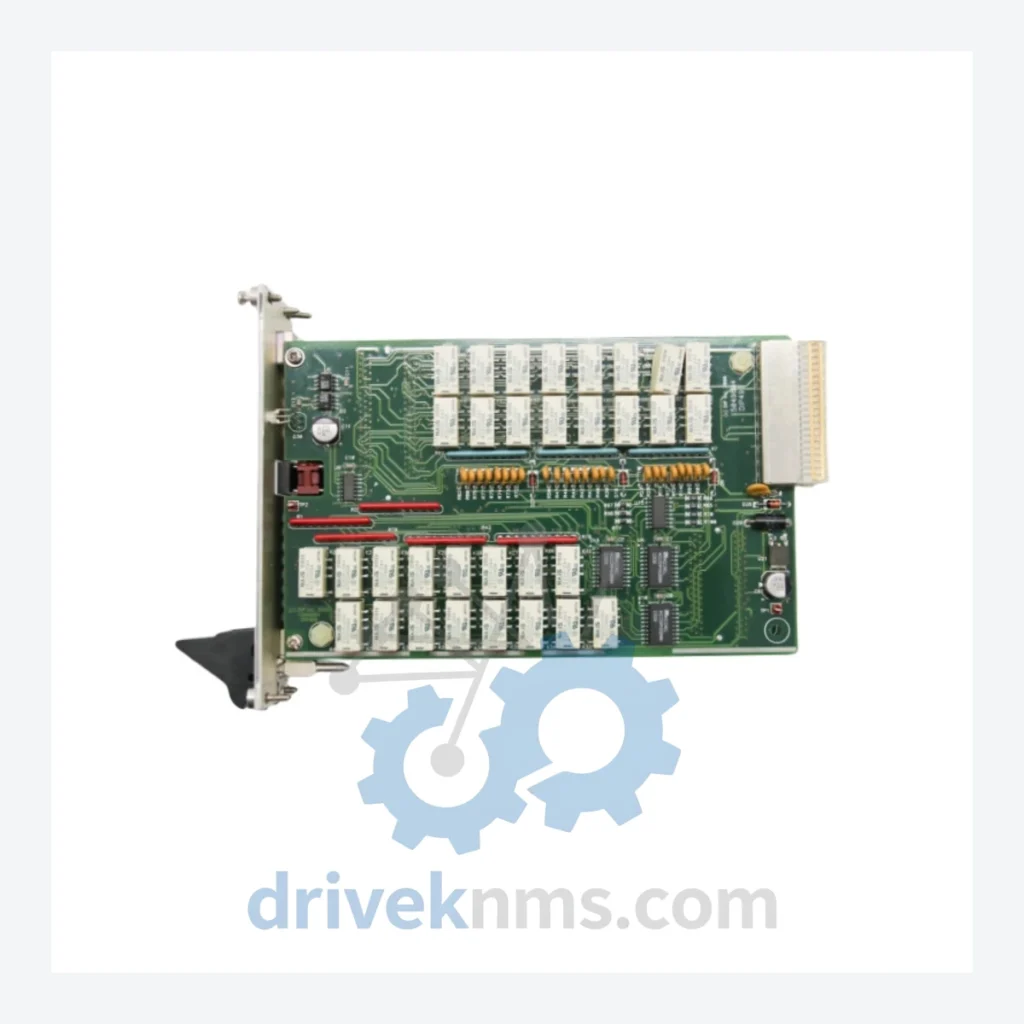
Applied Materials MBTC BD 3200-1000-06 Wafer Transfer Controller – Obsolete Brooks MyPro Spare Part
RFQ support for obsolete parts: Send the model number, required quantity and destination so DriveKNMS can confirm sourcing options before quotation.
Solving the Discontinued Hardware Crisis
The Brooks Extended MyPro platform was the backbone of wafer handling in a generation of Applied Materials Centura, Endura, and Producer tool families. These tools remain in active production at fabs running mature nodes — 90nm, 130nm, 180nm, and legacy MEMS/power device processes — where the economics of node migration do not justify tool replacement. The MBTC BD controller board manages the motion sequencing and positional feedback for the robot arm assembly within the transfer chamber. Without a functioning MBTC BD, the entire multi-chamber cluster tool is inoperable.
DriveKNMS operates specifically in this gap. We source, inspect, and hold physical inventory of discontinued semiconductor automation components so that fab engineers have a viable alternative to forced tool retirement.
How to Extend Your Automation Asset Life by 5–10 Years Through Strategic Spare Parts Management
For plant managers and fab engineers operating legacy Applied Materials tool sets, the following maintenance posture has proven effective at extending productive tool life well beyond OEM support windows:
1. Identify your single points of failure now, not during a breakdown. The MBTC BD is a known failure-prone assembly due to electrolytic capacitor aging on the control PCB. A board that is functioning today may degrade over a 12–24 month horizon. Waiting for failure before sourcing a replacement on the secondary market means sourcing under time pressure — the worst possible negotiating position.
3. Establish a verified secondary-market supplier relationship before you need it. Not all secondary-market inventory is equal. Boards sourced without inspection history, firmware verification, or capacitor condition assessment carry real risk of infant mortality. Establish a supplier relationship with documented QA processes while you have the time to evaluate them properly.
Q: How are RFQ terms confirmed?
A: Quantity, required condition, documentation needs, destination and sourcing route are confirmed during RFQ review before quotation.
5. Plan for a 5–10 year extended life horizon, not a 1–2 year bridge. If your fab's process roadmap keeps legacy tools in production for the next decade, your spare parts strategy should reflect that. Bulk procurement of critical discontinued components at current secondary-market pricing locks in cost certainty and eliminates future sourcing risk as global inventory of these parts continues to deplete.
Condition & Reliability Assurance
DriveKNMS applies a 5-step qualification process to all discontinued PCB assemblies before they are offered for sale:
Step 2 – Firmware Version Verification: The firmware revision loaded on the board is identified and documented. Buyers are provided with the firmware version at time of sale to confirm compatibility with their tool's existing software environment.
Step 3 – Pin and Connector Corrosion Inspection: All edge connectors, board-to-board connectors, and I/O pins are inspected under magnification for oxidation, corrosion, and mechanical damage. Affected contacts are cleaned and treated prior to shipment.
Step 4 – Functional Bench Test: Where test fixtures are available, boards undergo powered functional verification. Test results are documented and available for buyer review upon request.
Step 5 – ESD-Safe Packaging and Storage: All boards are stored and shipped in anti-static bags with desiccant, inside rigid protective packaging. Storage conditions are controlled for temperature and humidity.
Key Features for System Maintenance
The MBTC BD 3200-1000-06 is a direct drop-in replacement for the original assembly. Installation does not require reprogramming of the host tool controller, re-teaching of robot positions from scratch, or modification of process recipes — provided the replacement board carries a compatible firmware revision. This eliminates the engineering labor cost associated with a full robot system replacement or tool-level software migration. Facilities can restore tool operation without involving OEM field service, without process re-qualification, and without the capital expenditure of a new tool procurement cycle.
Q: How is condition confirmed before quotation?
A: Available condition, photos, test records and documentation are checked according to the requested model and sourcing channel before a formal RFQ response.
Q: How do I know the board is genuine and not a counterfeit?
A: All units are inspected for OEM markings, PCB layer construction, and component sourcing consistency. We do not source from unverified brokers. Provenance documentation is available for review on request.
Q: Can you support multi-unit or repeat RFQ requests?
A: Yes. Send the model list, target quantity and destination so DRIVEKNMS can review sourcing options and quote the requirement as a project RFQ.
Q: What if the replacement board has a different firmware version than my current unit?
A: Our team will provide the firmware version of the unit prior to shipment. If a firmware mismatch is identified, we will advise on compatibility and, where technically feasible, assist with firmware alignment options.