
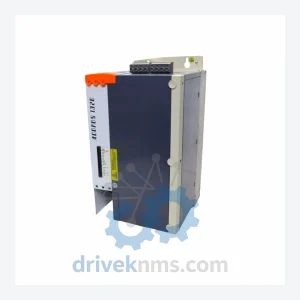
B&R 8V1320.001-2 Servo Drive – Obsolete ACOPOS Spare Part
B&R 8V1320.001-2 ACOPOS is listed for 2 Servo Drive RFQ review. Confirm quantity, condition and destination before quotation.
RFQ-ready industrial model
Model: 8V1180.001-2
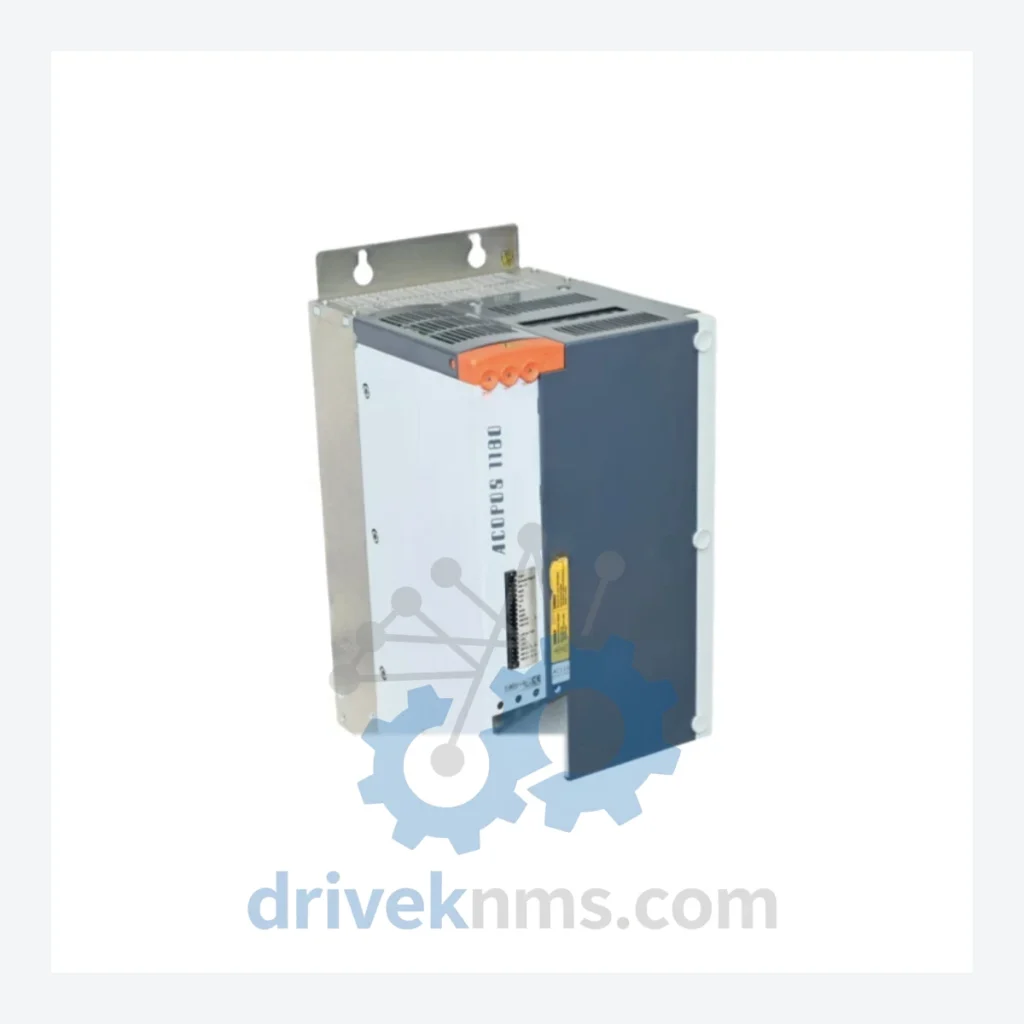
Product Overview
Commercial availability is handled through direct RFQ, model verification and export-oriented follow-up rather than public cart checkout.
Datasheet Preview
Use attached product manuals when available. If the manual is not public yet, request the full file directly through RFQ.
Commercial Path
Product pages on DRIVEKNMS are designed to verify model, brand and series first, then move the buyer into one clean quotation path.
Technical Dossier
RFQ support for obsolete parts: Send the model number, required quantity and destination so DriveKNMS can confirm sourcing options before quotation.
| Parameter | Detail |
|---|---|
| Manufacturer | B&R (Bernecker & Rainer), Austria |
| Part Number | 8V1180.001-2 |
| Product Family | ACOPOS Servo Drive |
| Discontinuation Status | Discontinued / Obsolete – No longer manufactured |
| Compatible Control Systems | B&R ACOPOS, B&R Automation Runtime, B&R Automation Studio |
| Typical Application | Multi-axis servo motion control in industrial automation |
| Country of Origin | Austria |
| Condition Available | New (sealed) / Refurbished (QA-certified) |
Note: Electrical parameters (voltage, current rating, power output) for this specific variant are not published here to prevent specification errors. Please contact our technical team for confirmed datasheet values before ordering.
Q: How are RFQ terms confirmed?
A: Quantity, required condition, documentation needs, destination and sourcing route are confirmed during RFQ review before quotation.
Facilities facing pressure to retire ACOPOS-based lines before the end of their productive life have a viable alternative path. The following framework has been applied successfully across packaging, automotive component, and electronics manufacturing environments:
3. Negotiate Long-Term Supply Agreements with Specialist Distributors. Spot-market purchasing of obsolete parts carries price volatility and authenticity risk. Establishing a supply relationship with a verified distributor — one that performs incoming inspection and maintains traceability records — reduces both cost and risk over a 5–10 year horizon.
4. Implement Predictive Maintenance on Drive Health Indicators. ACOPOS drives expose diagnostic data through B&R's Automation Runtime. Monitoring DC bus voltage stability, IGBT junction temperature trends, and encoder feedback error rates provides early warning of impending failure — typically 3–6 months before a hard fault. This converts reactive replacement into planned maintenance.
5. Document Firmware Versions and Lock Them. ACOPOS firmware versions are tied to specific Automation Studio project versions. Undocumented firmware upgrades during maintenance have caused motion application incompatibilities that required full re-commissioning. Freeze the firmware version on all production drives and maintain a record of the exact version installed on each axis.
Applied consistently, this framework extends the productive life of ACOPOS-based assets by 5–10 years without capital expenditure on new drive platforms.
DriveKNMS applies a 5-step QA process to all refurbished ACOPOS units before dispatch review:
Step 1 – Electrolytic Capacitor Assessment. DC bus capacitors and filter capacitors are tested for capacitance retention and ESR. Units with capacitors showing more than 20% capacitance loss or elevated ESR are recapped before release. This is the most common failure mode in drives that have been in storage or light service for more than 8 years.
Step 2 – Firmware Version Verification. The firmware version is read, recorded, and confirmed against the customer's Automation Studio project version before dispatch review. Mismatched firmware is the leading cause of post-installation commissioning failures on ACOPOS replacements.
Step 4 – Functional Load Test. Where test infrastructure permits, units are powered and tested under simulated load conditions. DC bus regulation, current loop response, and fault output behavior are verified.
Step 5 – Packaging and ESD Protection. Units are shipped in anti-static packaging with desiccant. All connectors are covered. Shipping cartons are rated for the unit weight with appropriate cushioning.
The 8V1180.001-2 is a direct hardware replacement for the same part number installed in your machine. There is no firmware migration, no re-engineering of the motion application, and no modification to the Automation Studio project — provided the replacement unit carries the same firmware version, which DriveKNMS verifies before dispatch review.
For facilities that have already invested in ACOPOS-based motion infrastructure, this is the correct way to protect that investment.
Q: How do I know the unit is genuine and not a counterfeit?
A: All units sourced by DriveKNMS are inspected for label authenticity, PCB markings, and component consistency against known-good reference units. We do not source from unverified secondary markets. Traceability documentation is available on request.
Continue The Model Path
Move from this exact model into the matching system hub, brand archive, model-family archive or lifecycle sourcing route before sending a final RFQ list.
Related Paths
B&R 8V1320.001-2 ACOPOS is listed for 2 Servo Drive RFQ review. Confirm quantity, condition and destination before quotation.
B&R 5C5001.32 is listed for Provit 5000 RFQ review. Confirm quantity, condition and destination before quotation.
B&R EPSCPE100-ABAB is listed for Monitoring Systems RFQ review. Confirm quantity, condition and destination before quotation.