
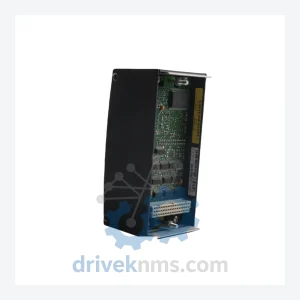
Bachmann CM202 CANopen Master Module – Obsolete M1 Series Spare Part
Bachmann CM202 is listed for M1 Series RFQ review. Confirm quantity, condition and destination before quotation.
RFQ-ready industrial model
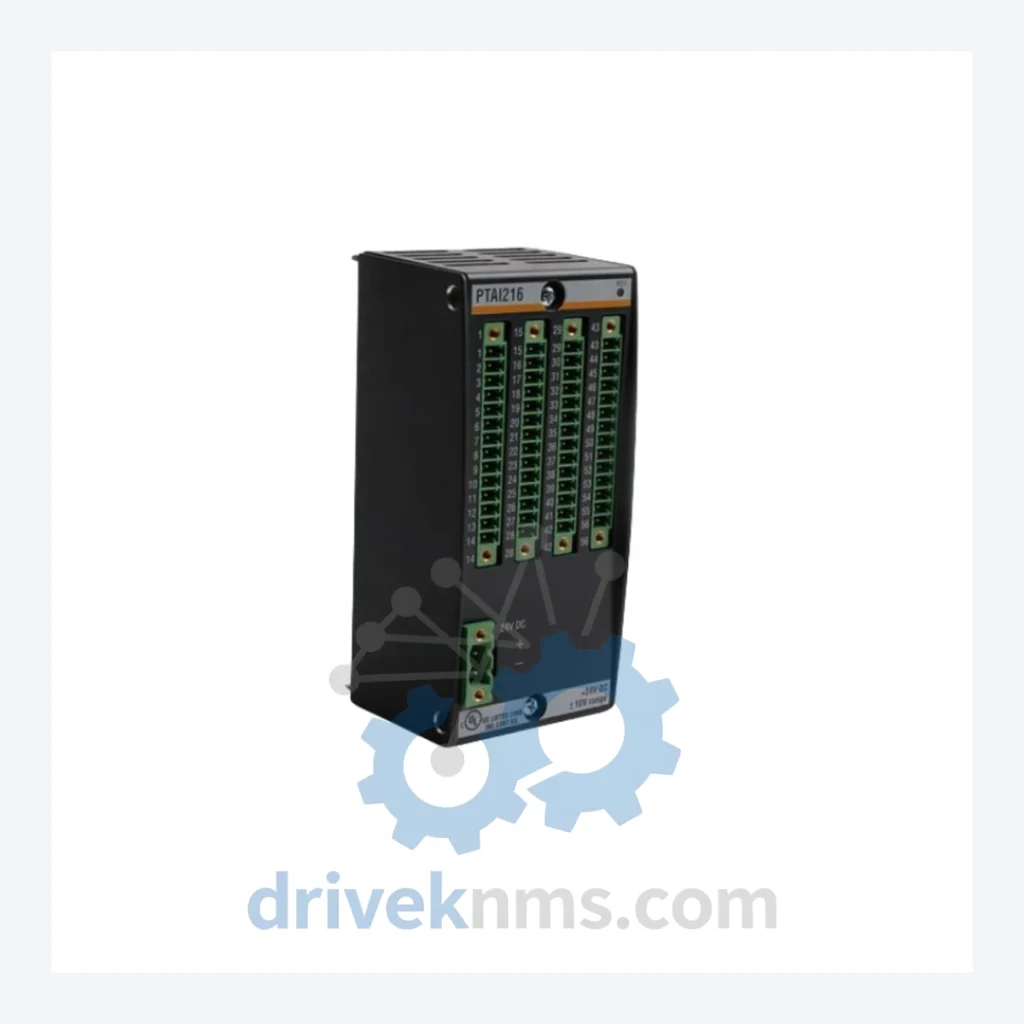
Model: PTAI216
Product Overview
Commercial availability is handled through direct RFQ, model verification and export-oriented follow-up rather than public cart checkout.
Datasheet Preview
Use attached product manuals when available. If the manual is not public yet, request the full file directly through RFQ.
Commercial Path
Product pages on DRIVEKNMS are designed to verify model, brand and series first, then move the buyer into one clean quotation path.
Technical Dossier
RFQ support for obsolete parts: Send the model number, required quantity and destination so DriveKNMS can confirm sourcing options before quotation.
| Parameter | Detail |
|---|---|
| Manufacturer | Bachmann Electronic GmbH |
| Part Number | PTAI216 |
| Series | Bachmann M1 Automation System |
| Module Type | Temperature Input Module |
| Compatible System | Bachmann M1 PLC / Controller Platform |
| Country of Origin | Austria |
| Discontinuation Status | Discontinued / Obsolete – No longer in active production |
| Replacement Availability | No direct OEM drop-in replacement exists; system redesign required if spare unavailable |
The Bachmann M1 platform was widely deployed across wind energy, industrial automation, and process control applications throughout Europe and internationally. The PTAI216 temperature input module serves as a critical data acquisition node within these systems — collecting thermocouple or RTD signals and feeding them directly into the M1 CPU for process control decisions.
Bachmann has progressively phased out legacy M1 peripherals in favor of its newer MX and MC200 series. The PTAI216 is no longer manufactured. For facilities that built their control infrastructure around the M1 platform, this creates a hard operational constraint: the system cannot be partially upgraded. Swapping one module type forces a cascade of hardware and software changes across the entire rack.
Facilities that have extended their Bachmann M1 system lifespan by 5 to 10 years beyond the OEM's support window have done so through one consistent strategy: maintaining a controlled inventory of critical spare modules, including analog and temperature input cards. The PTAI216 is among the highest-priority items on that list, given its role in process monitoring and its complete absence from current OEM supply chains.
Every PTAI216 unit processed by DriveKNMS passes a structured five-stage inspection before it is offered for sale. This protocol is designed specifically for legacy industrial hardware, where age-related degradation — not mechanical damage — is the primary failure mode.
Stage 1 – Visual and Physical Inspection: Full examination of the PCB, connector pins, and housing. Any unit showing corrosion, pin deformation, or physical damage is rejected at this stage.
Stage 2 – Electrolytic Capacitor Assessment: Aging electrolytic capacitors are the leading cause of latent failure in legacy analog input modules. Each unit is inspected for capacitor bulging, leakage, and ESR deviation. Units with suspect capacitors are either recapped or rejected.
Stage 3 – Firmware and Label Verification: Where accessible, firmware revision markings are cross-referenced against known M1 system compatibility matrices. Mismatched or unverifiable firmware versions are flagged and disclosed to the buyer prior to sale.
Stage 4 – Pin and Connector Integrity Check: Backplane connector pins are inspected under magnification for oxidation, micro-fractures, and contact resistance issues. Affected pins are cleaned or the unit is rejected.
Units are classified as New (sealed OEM), Refurbished (tested, reconditioned), or Used-Tested (functional, cosmetic wear). Classification is disclosed on every order confirmation.
The PTAI216 is a direct slot-in replacement for any Bachmann M1 rack position previously occupied by the same module. No hardware modifications to the rack or backplane are required. No software changes to the M1 application program are necessary — the module presents the same I/O mapping and communication behavior as the original. This means maintenance personnel can execute a swap during a planned shutdown window without involving a controls engineer or triggering a revalidation cycle.
Maintaining two to three spare temperature input modules per M1 installation is a standard recommendation for any facility with a planned operational horizon of five or more years on the existing platform.
Should I buy more than one unit?
For any facility with a planned operational life of three or more years on a Bachmann M1 system, holding at least one cold spare PTAI216 is a minimum prudent position. For critical process lines where temperature monitoring is tied to safety interlocks, two spares is the standard recommendation. Secondary market availability of this module will continue to decline as installed M1 systems are decommissioned globally.
Continue The Model Path
Move from this exact model into the matching system hub, brand archive, model-family archive or lifecycle sourcing route before sending a final RFQ list.
Related Paths
Bachmann CM202 is listed for M1 Series RFQ review. Confirm quantity, condition and destination before quotation.
Bachmann AIO288 is listed for M1 Series RFQ review. Confirm quantity, condition and destination before quotation.
Bachmann FM211 is listed for M1 Series RFQ review. Confirm quantity, condition and destination before quotation.