
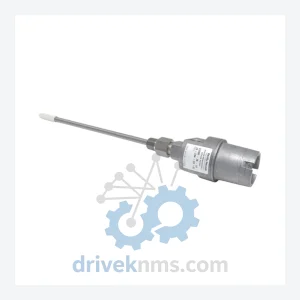
Bently Nevada 21000 Series Modules - 21000-16-10-00-030-00-02
Bently Nevada 21000-16-10-00-030-00-02 is listed for 21000 Series RFQ review. Confirm quantity, condition and destination before quotation.
RFQ-ready industrial model
Model: 21000-28-05-00-077-03-02
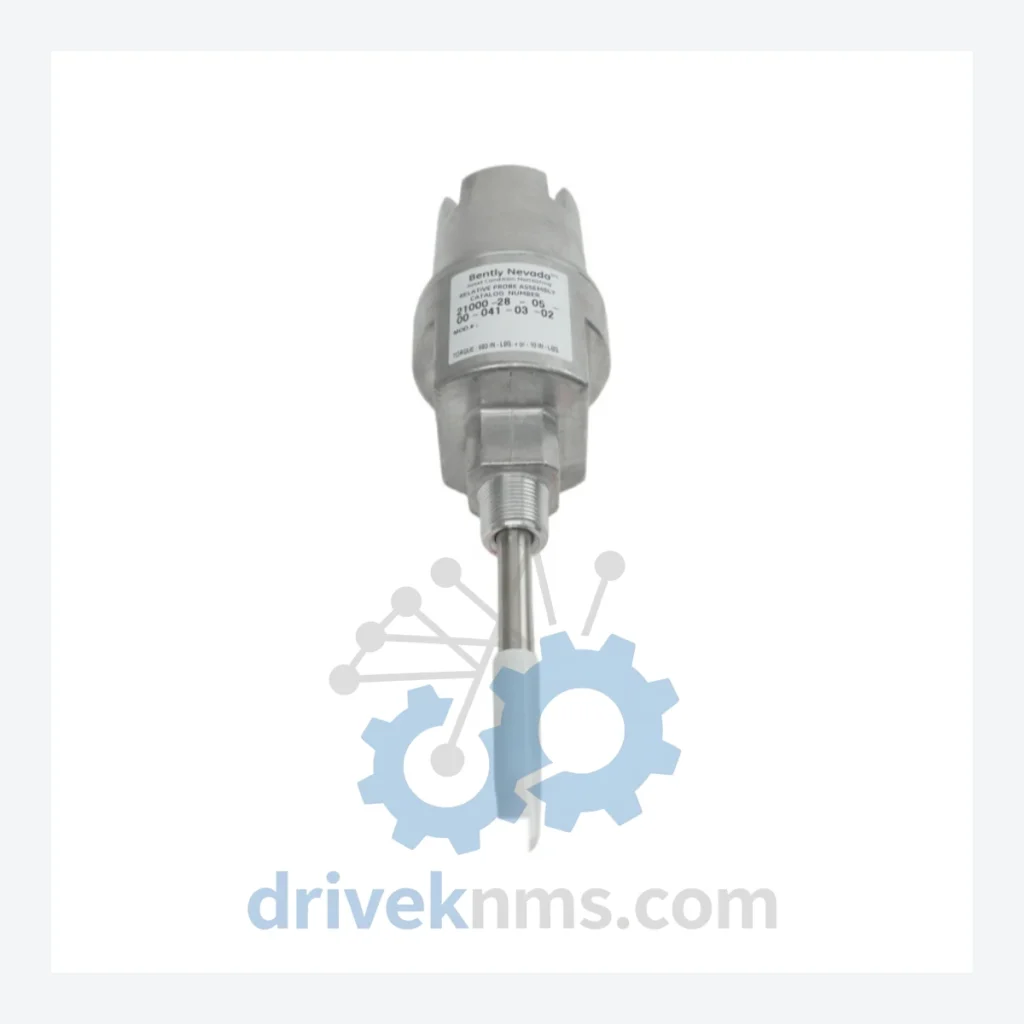
Product Overview
Commercial availability is handled through direct RFQ, model verification and export-oriented follow-up rather than public cart checkout.
Datasheet Preview
Use attached product manuals when available. If the manual is not public yet, request the full file directly through RFQ.
Commercial Path
Product pages on DRIVEKNMS are designed to verify model, brand and series first, then move the buyer into one clean quotation path.
Technical Dossier
The Bently Nevada 21000 Series represents a foundational product line within Baker Hughes' (formerly GE Bently Nevada) condition monitoring portfolio. Deployed extensively across global heavy industry — including petrochemical complexes, nuclear power stations, offshore platforms, and crude oil refineries — the 21000 Series provides the mechanical housing infrastructure and signal conditioning assemblies that underpin continuous machinery protection systems. These units are engineered to interface with proximity probes, velocity transducers, and accelerometers, delivering real-time vibration, position, and speed data to plant-level DCS and SCADA architectures. The series is classified as a legacy/mature product line; however, its installed base across long-lifecycle facilities (20–40 year operational horizons) sustains active demand for spare parts, housing assemblies, and replacement modules well beyond the original product's commercial availability window.
The Bently Nevada 21000 Series was introduced as part of the company's second-generation machinery monitoring platform, succeeding earlier analog-only rack systems. Its architecture is characterized by modular housing assemblies designed to accept interchangeable transducer interface cards, allowing field engineers to reconfigure monitoring channels without replacing the entire rack infrastructure.
Early Generation (1980s–1990s): Initial 21000 units were designed for single-channel proximity probe monitoring, with analog 4–20 mA output signals. Backplane communication was proprietary, limiting integration to Bently Nevada's own display and relay modules. These units were widely installed in steam turbine and compressor trains across North American and European refineries.
Mid-Generation Expansion (1990s–2000s): The series expanded to include dual-channel configurations, velocity input compatibility, and early RS-232/RS-485 serial communication options. This period saw widespread adoption in LNG terminals and nuclear auxiliary systems, where the 21000's robust housing design met stringent environmental and EMI requirements.
Transition to 3500 Platform (2000s–Present): Bently Nevada's 3500 Series was introduced as the direct successor, offering digital communication via Modbus, Profibus, and later EtherNet/IP. Many facilities operating 21000 Series hardware have undertaken partial migrations, retaining 21000 housings and probe cabling while upgrading signal processing cards. This hybrid architecture creates ongoing demand for 21000 housing assemblies and interface components as bridge elements within modernized monitoring networks.
Compatibility Note: The 21000 Series is not directly backward-compatible with 3500 Series rack modules at the card level. Housing assemblies, terminal blocks, and probe cables may be reused in certain configurations, but signal conditioning cards require series-specific replacements.
The following SKUs represent verified components within the Bently Nevada 21000 Series ecosystem, categorized by functional role:
Housing Assemblies & Mechanical Infrastructure
Proximity Probe Interface Modules
Velocity & Accelerometer Input Modules
Signal Conditioning & Output Modules
Power Supply & Rack Infrastructure
For facilities evaluating migration from 21000 to 3500 Series, DriveKNMS provides parallel sourcing support — supplying 21000 components to maintain operational continuity during phased upgrade programs.
The 21000 Series presents specific quality verification challenges due to its age profile and the complexity of its analog signal conditioning circuitry. DriveKNMS applies a structured test protocol to all 21000 Series units prior to shipment:
Continue The Model Path
Move from this exact model into the matching system hub, brand archive, model-family archive or lifecycle sourcing route before sending a final RFQ list.
Related Paths
Bently Nevada 21000-16-10-00-030-00-02 is listed for 21000 Series RFQ review. Confirm quantity, condition and destination before quotation.
Bently Nevada 21000-16-10-00-103-04-02 is listed for 21000 Series RFQ review. Confirm quantity, condition and destination before quotation.
Bently Nevada 21000-16-10-15-098-03-02 is listed for 21000 Series RFQ review. Confirm quantity, condition and destination before quotation.