
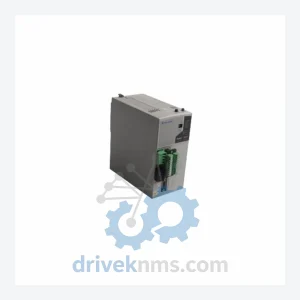
Bosch KM3300 Modules KM 3300-T 054915-103 KM3300
Bosch KM 3300-T 054915-103 KM3300 is listed for 3300 RFQ review. Confirm quantity, condition and destination before quotation.
RFQ-ready industrial model
Model: 21504-000-020-10-02
Product Overview
Commercial availability is handled through direct RFQ, model verification and export-oriented follow-up rather than public cart checkout.
Datasheet Preview
Use attached product manuals when available. If the manual is not public yet, request the full file directly through RFQ.
Commercial Path
Product pages on DRIVEKNMS are designed to verify model, brand and series first, then move the buyer into one clean quotation path.
Technical Dossier
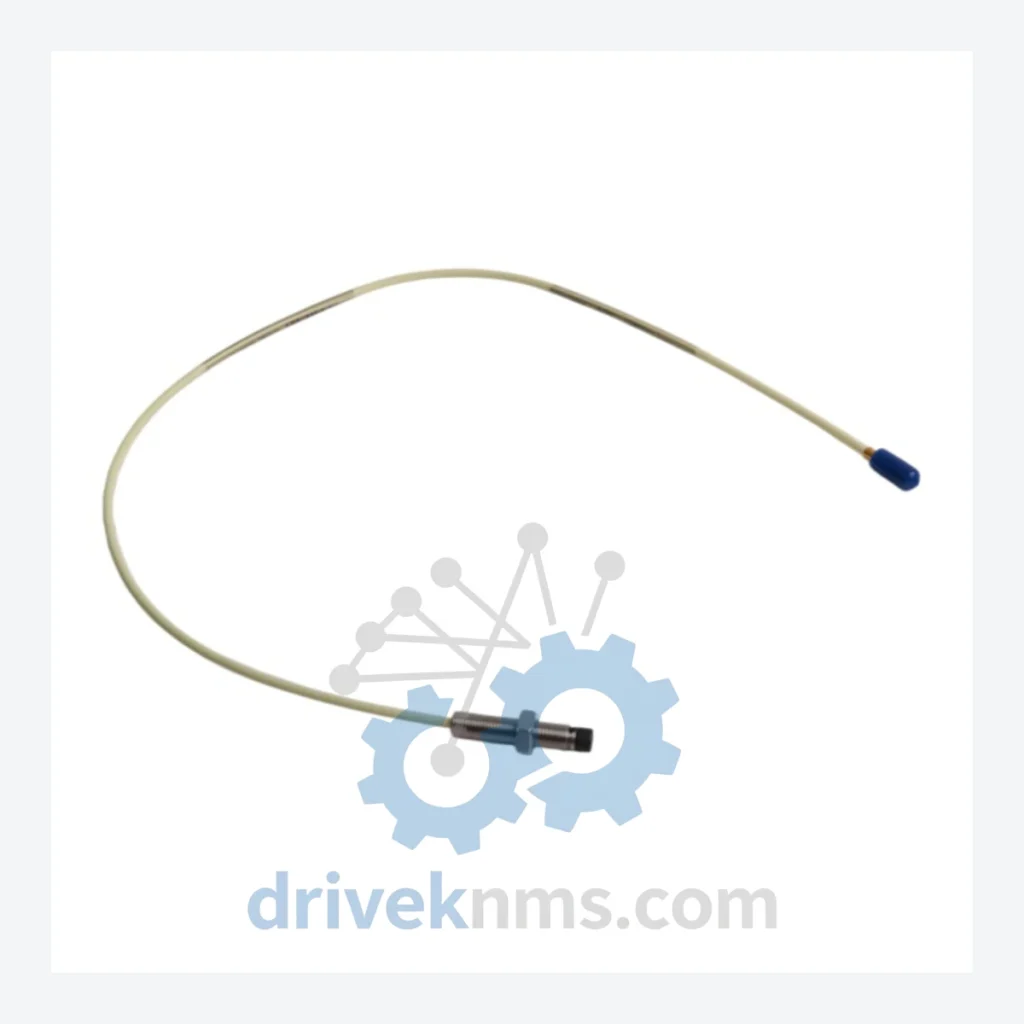
When a Bently Nevada 21504-000-020-10-02 Reverse Mount Probe fails in a running plant, the consequences are rarely limited to a single sensor replacement. This probe is a core component of the Bently Nevada 3300 Series vibration monitoring system — a platform that has been the backbone of rotating machinery protection in refineries, power generation facilities, and petrochemical plants for decades. The 3300 Series has reached end-of-life status, and GE Bently Nevada no longer manufactures or supports this probe under standard supply channels.
DriveKNMS maintains RFQ-reviewed sourcing status of the 21504-000-020-10-02. This is not a catalog listing. If it appears on this page, it is available for immediate shipment.
RFQ support for obsolete parts: Send the model number, required quantity and destination so DriveKNMS can confirm sourcing options before quotation.
Note: Electrical parameters such as sensitivity (mV/mil), linear range, and gap voltage are system-dependent and must be verified against your specific monitor configuration. DriveKNMS does not publish unverified specifications.
The Bently Nevada 3300 Series was introduced in the 1980s and became the de facto standard for machinery protection in heavy industry. Its architecture — eddy current proximity probes paired with dedicated signal conditioning monitors — proved reliable enough that many facilities continued operating these systems well past the manufacturer's recommended service life.
The problem is structural: when GE Bently Nevada transitioned its product line toward the 3500 Series and later the System 1 platform, it did not maintain backward-compatible probe manufacturing indefinitely. The 21504-000-020-10-02, with its reverse mount configuration, serves installations where standard front-mount probes cannot be physically accommodated — typically in confined bearing housings or retrofitted machinery where the probe must be inserted from the non-drive end.
This makes the 21504-000-020-10-02 non-interchangeable with standard 3300 probes in many installations. A facility cannot simply substitute a different probe geometry without mechanical modification to the machine or its bearing housing — modifications that require engineering review, machining, and recalibration. The reverse mount configuration is a fixed constraint of the installation, not a preference.
Obsolete parts sourced from secondary markets carry inherent risk if not properly evaluated. DriveKNMS applies a 5-step inspection protocol to all 3300 Series probes before dispatch review:
Step 1 – Physical Inspection: Full visual examination of the probe body, tip, cable jacket, and connector. Any unit with mechanical damage, corrosion on the tip face, or jacket cracking is rejected.
Step 2 – Pin and Connector Integrity: Connector pins are inspected under magnification for oxidation, bending, or contamination. Reverse mount connectors are particularly susceptible to corrosion in humid storage environments. Affected units are cleaned or rejected based on severity.
Step 3 – Coil Resistance Verification: The probe coil resistance is measured and compared against Bently Nevada's published nominal range for the 3300 series. Units outside tolerance are not shipped.
Step 4 – Cable Continuity and Insulation Check: Full cable continuity is verified from probe tip to connector. Insulation resistance is tested to confirm no internal breakdown has occurred during storage.
Step 5 – Firmware / Configuration Note: For probes supplied with integral electronics or specific gap settings, the configuration is documented and included with shipment. Customers are advised to verify gap voltage against their specific monitor channel before installation.
Q: How are RFQ terms confirmed?
A: Quantity, required condition, documentation needs, destination and sourcing route are confirmed during RFQ review before quotation.
The 21504-000-020-10-02 is a direct replacement for the original installed probe in compatible 3300 Series applications. When the probe is replaced with an identical part number, no changes to the monitor configuration, gap voltage setpoints, or alarm thresholds are required — provided the replacement probe is installed at the same gap distance as the original.
Q: Can this probe be used with a Bently Nevada 3500 Series monitor?
A: The 3300 and 3500 Series use different signal conditioning architectures. Direct substitution without a compatibility review is not recommended. Contact DriveKNMS for application-specific guidance.
Continue The Model Path
Move from this exact model into the matching system hub, brand archive, model-family archive or lifecycle sourcing route before sending a final RFQ list.
Related Paths
Bosch KM 3300-T 054915-103 KM3300 is listed for 3300 RFQ review. Confirm quantity, condition and destination before quotation.
ProSoft Technology 3300-MBP is listed for 3300 RFQ review. Confirm quantity, condition and destination before quotation.
Fanuc A06B-6400-H102 A20B-3300-0381 is listed for 3300 RFQ review. Confirm quantity, condition and destination before quotation.