
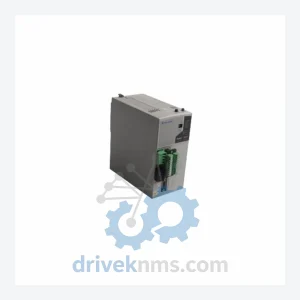
Bosch KM3300 Modules KM 3300-T 054915-103 KM3300
Bosch KM 3300-T 054915-103 KM3300 is listed for 3300 RFQ review. Confirm quantity, condition and destination before quotation.
RFQ-ready industrial model
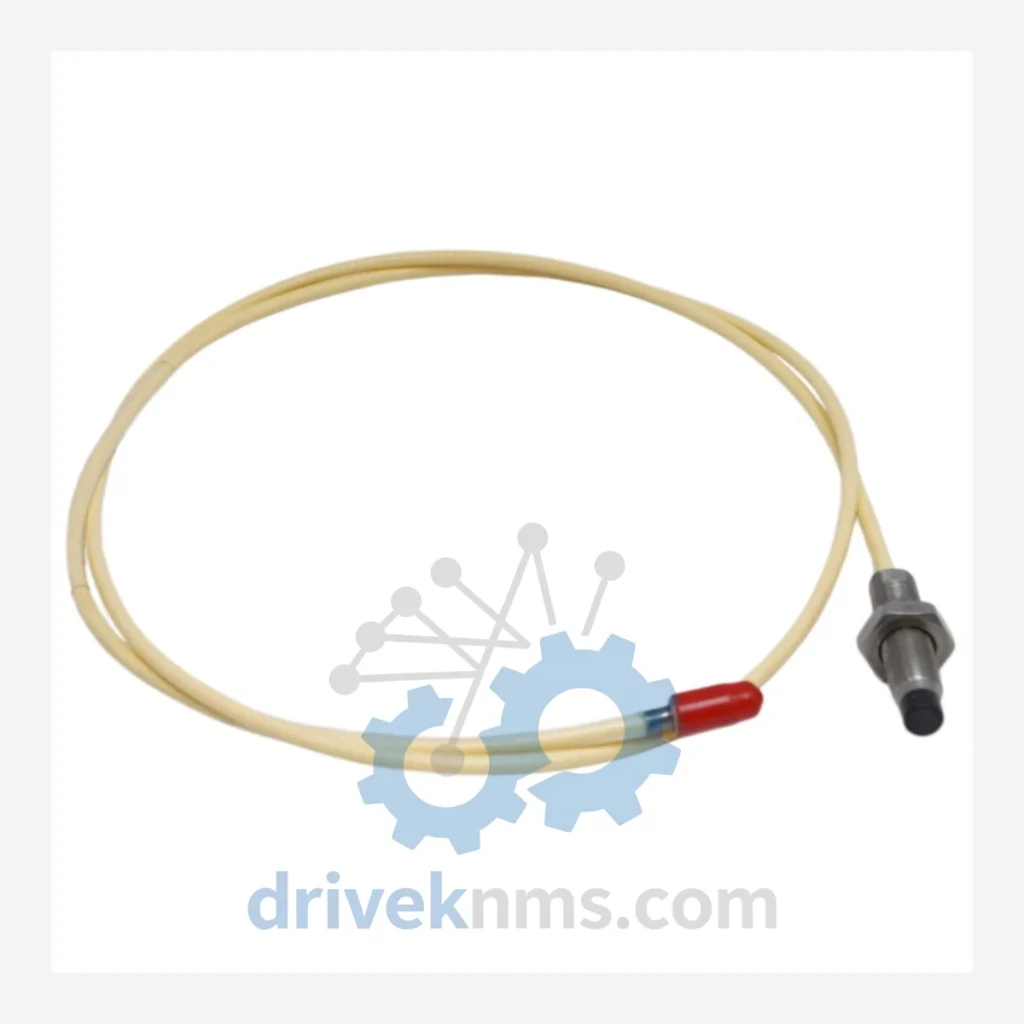
Model: 22811-00-03-05-02
Product Overview
Commercial availability is handled through direct RFQ, model verification and export-oriented follow-up rather than public cart checkout.
Datasheet Preview
Use attached product manuals when available. If the manual is not public yet, request the full file directly through RFQ.
Commercial Path
Product pages on DRIVEKNMS are designed to verify model, brand and series first, then move the buyer into one clean quotation path.
Technical Dossier
RFQ support for obsolete parts: Send the model number, required quantity and destination so DriveKNMS can confirm sourcing options before quotation.
Note: Electrical parameters specific to individual cable variants (impedance, length, connector pinout) are confirmed at time of order based on your exact system configuration. We do not publish unverified specifications.
The Bently Nevada 3300 Series was the industry standard for shaft vibration, position, and speed monitoring across gas turbines, steam turbines, compressors, and pumps for decades. Facilities that built their machinery protection strategy around this platform made a sound engineering decision at the time — and many of those systems continue to perform reliably today.
The problem is not the system. The problem is parts availability. Baker Hughes (which acquired Bently Nevada) has progressively discontinued legacy 3300 Series components, including the 22811-00-03-05-02 QD cable. When this cable degrades — through connector wear, insulation fatigue, or environmental exposure — the standard supply chain offers no replacement path. The choice then appears to be: accept unmonitored operation (a safety and compliance risk) or fund a full system migration.
Neither option is acceptable for a facility managing rotating equipment worth tens of millions of dollars. The correct response is targeted spare part procurement from a supplier with verified legacy inventory. A single 22811-00-03-05-02 cable, sourced and installed correctly, restores full monitoring capability without touching the broader system architecture. This is asset protection at its most cost-effective.
For plant managers and reliability engineers facing pressure to retire aging but functional monitoring systems, the financial case for targeted spare parts investment is straightforward. A Bently Nevada 3300 Series system that is mechanically sound and correctly calibrated has no inherent reason to be replaced — the only legitimate driver is parts unavailability. Addressing that driver directly through proactive procurement eliminates the primary justification for premature capital expenditure.
The following approach has been applied successfully across facilities in the power, refining, and LNG sectors:
2. Vendor-Agnostic Sourcing: OEM channels for discontinued parts are closed by definition. Qualified independent suppliers with traceable inventory and documented QA processes are the only viable source. Evaluate suppliers on inspection protocol transparency, not just price.
3. Condition-Based Replacement Scheduling: Rather than reactive replacement after failure, schedule cable and connector inspection during planned outages. Early replacement of a degrading cable costs a fraction of an emergency shutdown.
4. Documentation Integrity: Maintain as-built records for every replaced component, including part number, condition grade, and installation date. This supports both internal reliability tracking and regulatory compliance.
Applied consistently, this approach routinely extends the operational life of legacy monitoring infrastructure by 5–10 years beyond the point at which OEM support ends — deferring capital replacement projects and preserving operational continuity.
Obsolete parts sourced outside the OEM channel carry inherent risk if the supplier's inspection process is inadequate. DriveKNMS applies a 5-step QA protocol to all legacy components before dispatch review:
Step 1 – Visual and Mechanical Inspection: Full external examination for connector damage, jacket cracking, strain relief integrity, and labeling legibility. Any unit with physical compromise is rejected at this stage.
Step 2 – Electrolytic Capacitor Assessment: Where applicable to associated electronics, capacitor condition is evaluated for signs of aging, leakage, or bulging — a primary failure mode in components that have been in storage or light service for extended periods.
Step 3 – Connector Pin Inspection: All mating connectors are examined under magnification for corrosion, pin recession, and contact surface oxidation. Corroded contacts are the leading cause of intermittent signal faults in legacy proximity probe systems.
Step 4 – Firmware and Compatibility Verification: For active electronic components in the same product family, firmware version is confirmed against the target system's documented requirements prior to shipment.
Step 5 – Functional Continuity Check: Electrical continuity is verified across all conductors. Units that do not pass are not shipped, regardless of external appearance.
Drop-in Replacement: The 22811-00-03-05-02 installs directly into existing 3300 Series system configurations. No rewiring, no panel modification, no software change.
No Reprogramming Required: Unlike a system migration, replacing this cable requires no reconfiguration of the proximitor, monitor, or control system. Maintenance technicians familiar with the existing installation can complete the replacement during a standard outage window.
Avoids Engineering Reconstruction Costs: A full 3300 Series to 3500 Series migration — or a transition to a third-party monitoring platform — involves loop checking, recalibration, updated P&IDs, and potential changes to the safety instrumented system. None of that is necessary when the underlying system remains intact and a verified replacement cable is available.
Preserves Existing Calibration Data: Replacing a like-for-like cable maintains the integrity of existing gap voltage settings and alarm setpoints. No recalibration of the proximity probe system is required.
Q: How do I know the unit is genuine and not counterfeit?
A: All Bently Nevada components in our inventory are sourced through documented channels. We provide traceability documentation on request. Our inspection process specifically screens for counterfeit indicators including label inconsistencies, non-standard connector tolerances, and material anomalies.
Q: Can you source other discontinued Bently Nevada components?
A: Yes. DriveKNMS specializes in legacy industrial components across multiple OEM platforms. Contact us with your full part number list for availability assessment.
Continue The Model Path
Move from this exact model into the matching system hub, brand archive, model-family archive or lifecycle sourcing route before sending a final RFQ list.
Related Paths
Bosch KM 3300-T 054915-103 KM3300 is listed for 3300 RFQ review. Confirm quantity, condition and destination before quotation.
ProSoft Technology 3300-MBP is listed for 3300 RFQ review. Confirm quantity, condition and destination before quotation.
Fanuc A06B-6400-H102 A20B-3300-0381 is listed for 3300 RFQ review. Confirm quantity, condition and destination before quotation.