
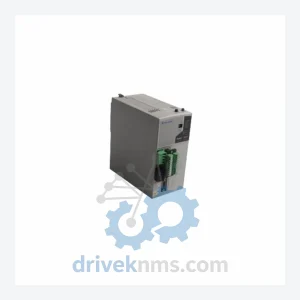
Bosch KM3300 Modules KM 3300-T 054915-103 KM3300
Bosch KM 3300-T 054915-103 KM3300 is listed for 3300 RFQ review. Confirm quantity, condition and destination before quotation.
RFQ-ready industrial model
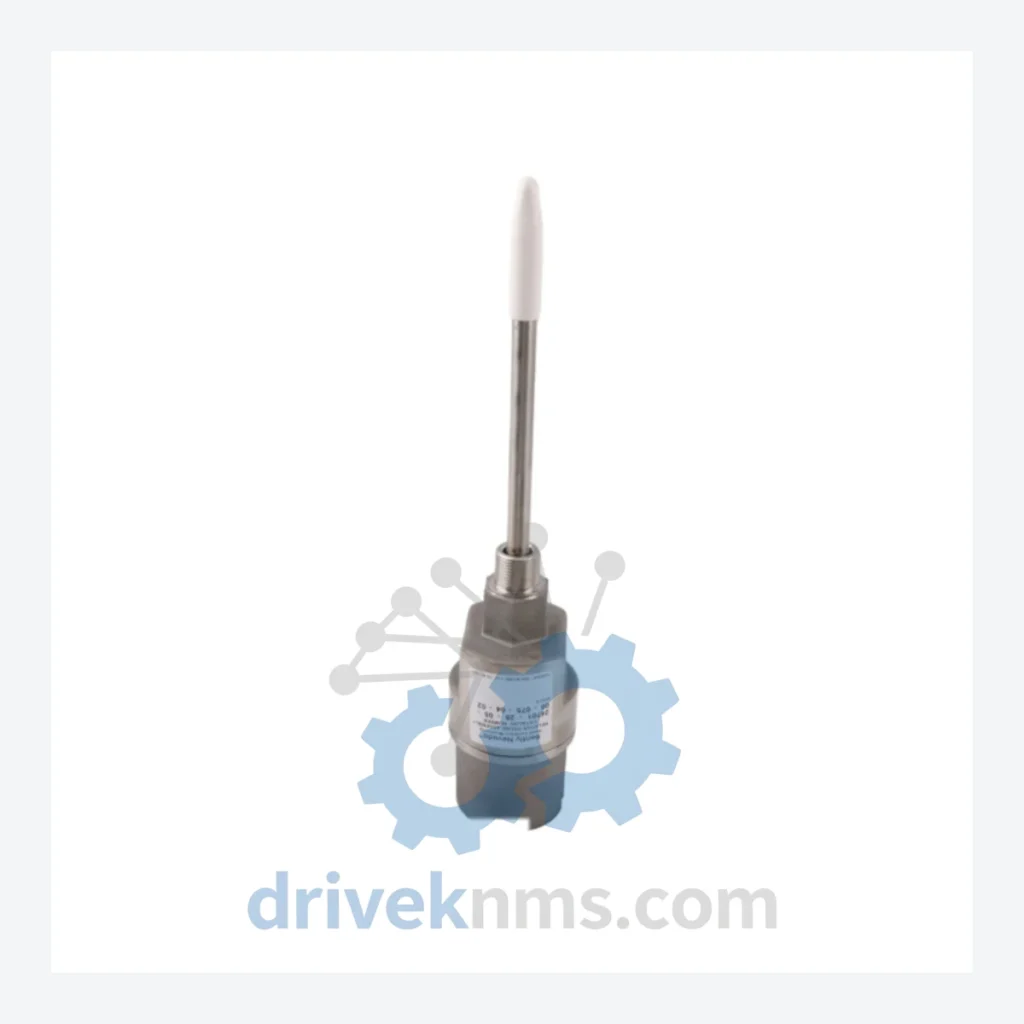
Model: 24701-28-05-05-064-03-02
Product Overview
Commercial availability is handled through direct RFQ, model verification and export-oriented follow-up rather than public cart checkout.
Datasheet Preview
Use attached product manuals when available. If the manual is not public yet, request the full file directly through RFQ.
Commercial Path
Product pages on DRIVEKNMS are designed to verify model, brand and series first, then move the buyer into one clean quotation path.
Technical Dossier
DriveKNMS reviews sourcing options for this model through RFQ handling before quotation.
RFQ support for obsolete parts: Send the model number, required quantity and destination so DriveKNMS can confirm sourcing options before quotation.
| Parameter | Detail |
|---|---|
| Part Number | 24701-28-05-05-064-03-02 |
| Manufacturer | Bently Nevada (Baker Hughes) |
| Series | 3300 Series Proximity Transducer System |
| Component Type | Proximity Probe Housing Assembly |
| Country of Origin | United States |
| Discontinuation Status | Obsolete – No longer in active production |
| Typical Application | Turbomachinery vibration and position monitoring (steam turbines, gas compressors, centrifugal pumps) |
| Compatible Systems | Bently Nevada 3300 Series monitors; legacy installations on GE, Dresser-Rand, and MAN Turbo machinery trains |
The Bently Nevada 3300 Series was the industry standard for turbomachinery protection across petrochemical, power generation, and heavy industrial facilities for decades. Thousands of installations worldwide remain in active service, maintained not by choice but by the prohibitive cost of replacement. The 3300 platform's architecture — its monitors, transducers, and mechanical housing assemblies — was engineered as an integrated system. Substituting individual components with non-OEM alternatives introduces calibration risk and potential incompatibility with existing API 670-compliant protection logic.
The 24701-28-05-05-064-03-02 housing assembly is a mechanical-critical component. It positions and protects the probe tip at the precise gap distance required for accurate eddy-current measurement. A degraded or incorrect housing directly affects the probe's linear range and output sensitivity. On a machine where radial vibration limits are set to trip at 125 microns peak-to-peak, measurement error introduced by a compromised housing is not a calibration footnote — it is a safety exposure.
For plant managers facing board-level pressure to defer capital expenditure on system modernization, the following approach has been validated across multiple refinery and power generation sites operating legacy Bently Nevada infrastructure:
1. Conduct a full spare parts audit against your installed 3300 Series bill of materials. Identify every housing assembly, extension cable, and monitor card that has no available replacement in your current storeroom. Prioritize by criticality — machines on API 670 mandatory protection first.
3. Implement a condition-based replacement schedule. Do not wait for failure. Inspect probe housings during planned turnarounds. Replace units showing thread wear, corrosion pitting, or dimensional drift before they affect measurement accuracy.
4. Document all installed part numbers and firmware versions. When sourcing obsolete replacements, exact part number matching is non-negotiable. Variant suffixes in Bently Nevada part numbers denote cable length, connector type, and temperature rating — substitution without verification is an engineering risk.
This approach has enabled facilities to defer system replacement by 5–10 years while maintaining full API 670 compliance and insurance validity — at a fraction of the capital cost of modernization.
DriveKNMS applies a 5-step quality assurance process to all obsolete mechanical and electronic components before dispatch review:
Step 1 – Visual and Dimensional Inspection: All housing assemblies are inspected for thread integrity, probe tip seating surface condition, and external corrosion. Units with dimensional non-conformance are rejected.
Step 2 – Electrolytic Capacitor Assessment (for associated electronic modules): Where applicable, electrolytic capacitors are assessed for bulging, leakage, and ESR drift — the primary failure mode in aged industrial electronics.
Step 3 – Firmware and Revision Verification: Part number suffix and hardware revision are verified against the original Bently Nevada documentation to confirm compatibility with the target installation.
Step 4 – Pin and Connector Corrosion Check: All electrical interfaces are inspected under magnification for oxidation, fretting corrosion, and contact deformation.
Step 5 – Functional Test and Packaging: Where test equipment is available, functional verification is performed. All units are packaged in anti-static, moisture-barrier packaging with desiccant for long-term storage integrity.
Drop-in replacement: The 24701-28-05-05-064-03-02 is a direct mechanical replacement for the original installed unit. No re-engineering of the probe mounting arrangement is required.
No reprogramming required: The housing assembly is a passive mechanical component. Installation does not require monitor reconfiguration, gap voltage re-calibration beyond standard commissioning procedure, or software changes to the protection system.
Maintains system certification integrity: Using the correct OEM part number preserves the as-built documentation integrity of your protection system, which is material to insurance underwriting and regulatory inspection compliance.
Q: Can you source other Bently Nevada 3300 Series components?
A: Yes. DriveKNMS specializes in obsolete and hard-to-find industrial automation components across the Bently Nevada 3300 and 3500 Series, as well as other legacy platforms. Contact us with your full bill of materials for a sourcing assessment.
Continue The Model Path
Move from this exact model into the matching system hub, brand archive, model-family archive or lifecycle sourcing route before sending a final RFQ list.
Related Paths
Bosch KM 3300-T 054915-103 KM3300 is listed for 3300 RFQ review. Confirm quantity, condition and destination before quotation.
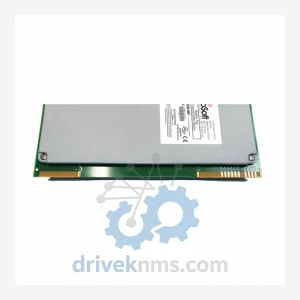
ProSoft Technology 3300-MBP is listed for 3300 RFQ review. Confirm quantity, condition and destination before quotation.
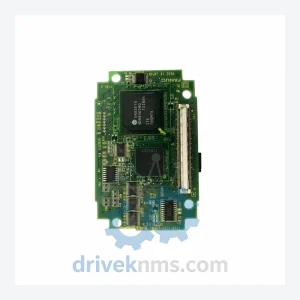
Fanuc A06B-6400-H102 A20B-3300-0381 is listed for 3300 RFQ review. Confirm quantity, condition and destination before quotation.