
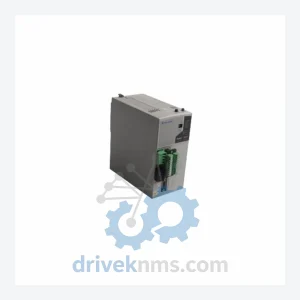
Bosch KM3300 Modules KM 3300-T 054915-103 KM3300
Bosch KM 3300-T 054915-103 KM3300 is listed for 3300 RFQ review. Confirm quantity, condition and destination before quotation.
RFQ-ready industrial model
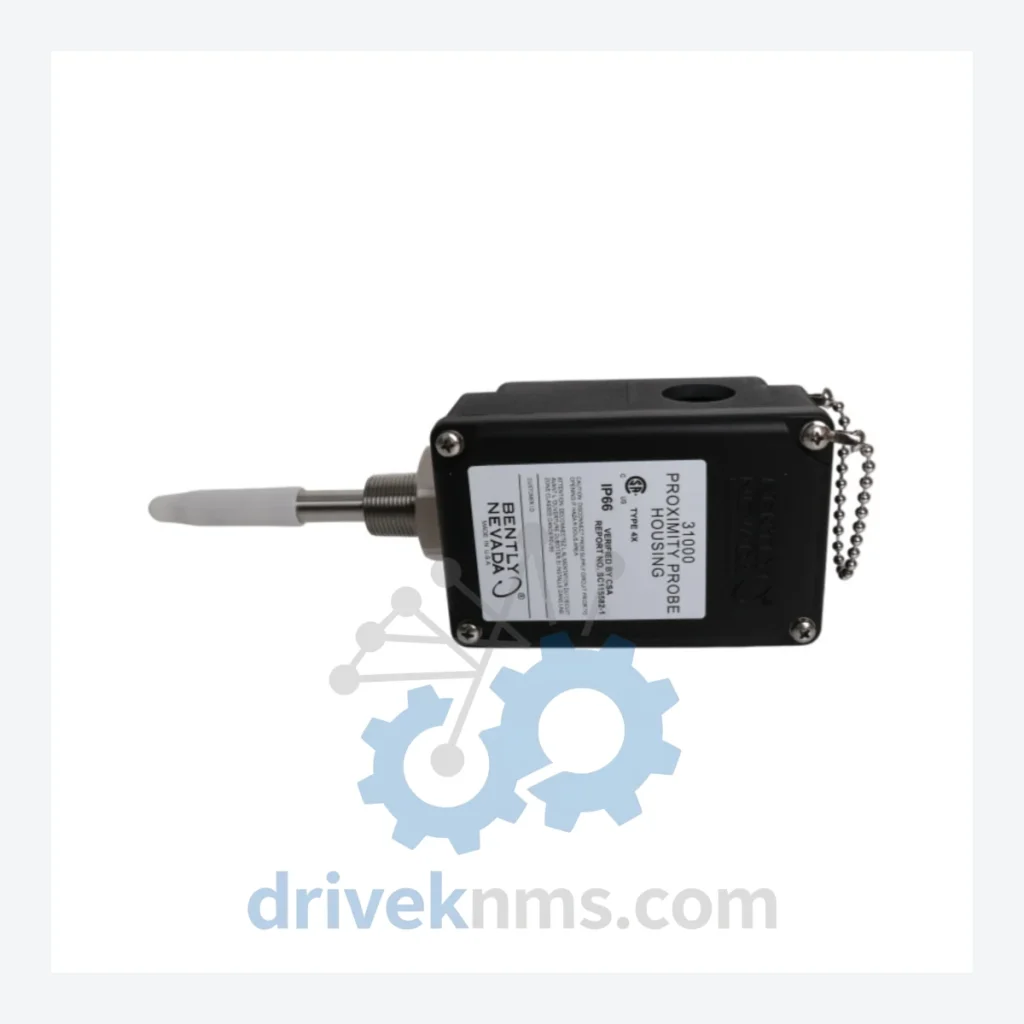
Model: 32000-16-05-04-135-03-02
Product Overview
Commercial availability is handled through direct RFQ, model verification and export-oriented follow-up rather than public cart checkout.
Datasheet Preview
Use attached product manuals when available. If the manual is not public yet, request the full file directly through RFQ.
Commercial Path
Product pages on DRIVEKNMS are designed to verify model, brand and series first, then move the buyer into one clean quotation path.
Technical Dossier
RFQ support for obsolete parts: Send the model number, required quantity and destination so DriveKNMS can confirm sourcing options before quotation.
| Parameter | Detail |
|---|---|
| Manufacturer | Bently Nevada (Baker Hughes) |
| Part Number | 32000-16-05-04-135-03-02 |
| Product Series | 3300 Series Proximity Transducer System |
| Component Type | Proximity Probe Housing Assembly |
| OEM Discontinuation Status | Obsolete – No longer manufactured or supplied by Bently Nevada / Baker Hughes |
| Country of Origin | United States |
| Compatible Systems | Bently Nevada 3300 Series monitors; legacy rotating machinery protection systems in turbines, compressors, pumps |
| Typical Application | Shaft radial vibration, axial position, and speed measurement on critical rotating assets |
Note: Electrical parameters specific to this housing sub-assembly configuration are not published independently by the OEM. Full system parameters are governed by the paired 3300 Series proximitor/extension cable. No parameters have been assumed or fabricated.
The Bently Nevada 3300 Series defined the standard for machinery protection monitoring for decades. Installed bases remain active in facilities across North America, the Middle East, Southeast Asia, and Europe — many of them running continuously with no scheduled replacement cycle. The problem is structural: Baker Hughes has migrated its product roadmap to the 3500 Series and beyond, leaving 3300 Series users without a factory supply chain for mechanical sub-components like the 32000-16-05-04-135-03-02 housing assembly.
The housing assembly is not a passive component. It provides the mechanical interface between the probe tip and the monitored shaft surface, maintaining the precise gap geometry that the eddy-current measurement depends on. Physical damage, corrosion, or thread failure in the housing directly corrupts vibration readings — and in a machinery protection context, corrupted readings mean either false trips or, more dangerously, missed fault detection. Neither outcome is acceptable on a critical asset.
Facilities that have attempted to fabricate replacement housings in-house have encountered calibration drift and gap inconsistency that invalidates the measurement chain. The OEM-specified geometry is not negotiable. This is why sourcing an authentic 32000-16-05-04-135-03-02 from a verified aftermarket supplier is the only technically defensible path short of full system replacement.
The economic case for extending a 3300 Series installation rather than replacing it is straightforward, but it requires a deliberate spare parts strategy. The following approach has been applied successfully in facilities managing aging rotating machinery protection systems:
2. Establish a minimum two-unit buffer for each critical housing configuration. The 32000-16-05-04-135-03-02 is a specific configuration within the 3300 probe family. Interchangeability across configurations is not guaranteed without re-verification. Stocking the exact part number eliminates field substitution risk.
4. Document firmware and configuration baselines before any component swap. Even a mechanical housing replacement should be preceded by a full system configuration snapshot. This protects against inadvertent parameter drift during reassembly.
5. Set a five-year rolling review cycle. Commit to reassessing the 3300 Series installation every five years against the cost of migration. In most cases, a well-maintained 3300 Series system with a secured spare parts supply chain will remain the lower-cost option through at least 2030 for facilities with no planned capacity expansion.
The capital cost of a single unplanned turbine outage — including lost production, emergency engineering, and expedited procurement — typically exceeds the cost of five years of proactive spare parts management. This is not a theoretical argument. It is the operating reality for any facility running critical rotating machinery on a legacy monitoring platform.
Sourcing obsolete parts from the secondary market carries legitimate risk. DriveKNMS applies a five-step inspection protocol to every 3300 Series component before dispatch review:
Step 1 – Visual and dimensional inspection. Housing geometry, thread condition, and probe seating surfaces are checked against OEM reference dimensions. Units with corrosion, thread damage, or deformation are rejected.
Step 2 – Electrolytic capacitor assessment (where applicable). For associated electronic sub-assemblies, capacitor age and condition are evaluated. Aged electrolytic capacitors are a primary failure mode in legacy instrumentation and are flagged for replacement before dispatch review.
Step 3 – Firmware and configuration verification. For programmable components within the 3300 ecosystem, firmware versions are documented and verified against known stable releases.
Step 4 – Pin and connector corrosion check. All electrical interfaces are inspected under magnification. Oxidized or pitted contacts are cleaned or the unit is rejected.
Step 5 – Functional documentation review. Available traceability documentation — including original packaging, date codes, and prior calibration records where present — is compiled and provided with the shipment.
Units that do not pass all five steps are not offered for sale. We do not grade on a curve for safety-critical instrumentation.
Q: Should I buy more than one unit?
A: For any facility running 3300 Series systems on critical assets, holding at least one spare housing assembly per monitored machine train is a defensible minimum. Given that this part number is obsolete and secondary market availability is finite, purchasing two to three units now is a lower-risk position than relying on spot availability at the point of failure.
Q: Can you source other 3300 Series components?
A: Yes. DriveKNMS maintains sourcing capability across the Bently Nevada 3300 Series product family, including proximitors, extension cables, and monitor modules. Contact us with your full bill of materials for a consolidated quote.
Continue The Model Path
Move from this exact model into the matching system hub, brand archive, model-family archive or lifecycle sourcing route before sending a final RFQ list.
Related Paths
Bosch KM 3300-T 054915-103 KM3300 is listed for 3300 RFQ review. Confirm quantity, condition and destination before quotation.
ProSoft Technology 3300-MBP is listed for 3300 RFQ review. Confirm quantity, condition and destination before quotation.
Fanuc A06B-6400-H102 A20B-3300-0381 is listed for 3300 RFQ review. Confirm quantity, condition and destination before quotation.