
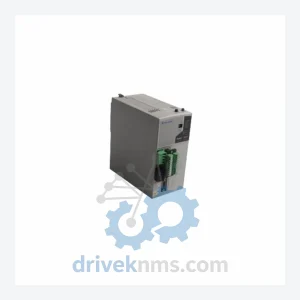
Bosch KM3300 Modules KM 3300-T 054915-103 KM3300
Bosch KM 3300-T 054915-103 KM3300 is listed for 3300 RFQ review. Confirm quantity, condition and destination before quotation.
RFQ-ready industrial model
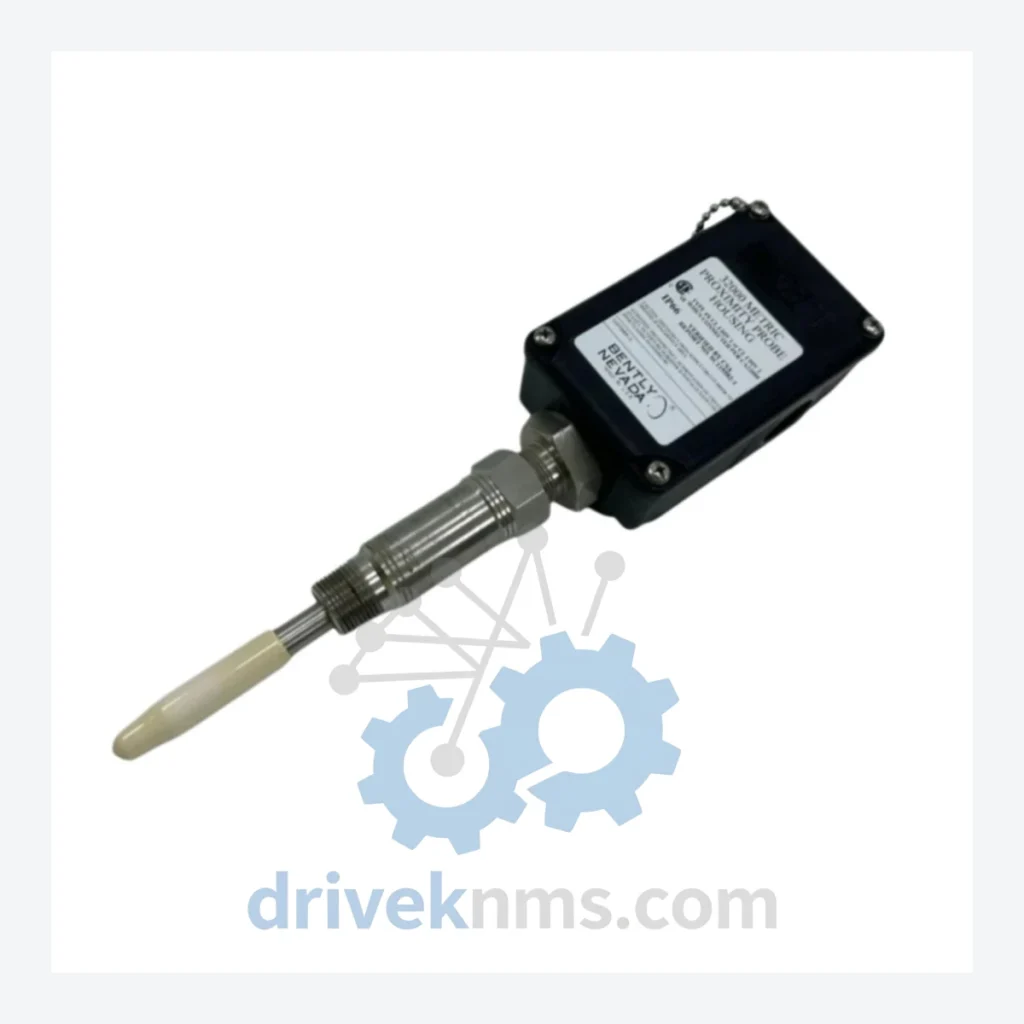
Model: 32000-28-10-00-075-02-02
Product Overview
Commercial availability is handled through direct RFQ, model verification and export-oriented follow-up rather than public cart checkout.
Datasheet Preview
Use attached product manuals when available. If the manual is not public yet, request the full file directly through RFQ.
Commercial Path
Product pages on DRIVEKNMS are designed to verify model, brand and series first, then move the buyer into one clean quotation path.
Technical Dossier
The Bently Nevada 3300 Series represents one of the most widely deployed eddy-current proximity transducer systems in global heavy industry. Engineered for continuous, non-contact measurement of shaft radial vibration, axial position, and differential expansion, this series has accumulated decades of field installation across petrochemical refineries, nuclear power stations, offshore platforms, LNG terminals, and large-scale rotating machinery facilities. Its modular architecture—comprising probes, extension cables, and signal conditioning drivers—has made it the de facto standard for API 670-compliant machinery protection systems. The 3300 Series is routinely specified by OEMs and end-users operating steam turbines, gas compressors, centrifugal pumps, and large induction motors where continuous vibration monitoring is a regulatory or operational requirement. DriveKNMS maintains an active inventory of both current-production and end-of-life 3300 Series components to support long-term plant maintenance programs.
Early 3300 Series variants operated on a standard 5-meter system length (probe + extension cable combined), with the driver providing a buffered output voltage proportional to the gap between probe tip and target material. As industrial control systems evolved from analog panel instruments to distributed control systems (DCS) and safety instrumented systems (SIS), Bently Nevada expanded the 3300 Series to include drivers with 4–20 mA current outputs, HART communication capability, and direct integration with the System 1 condition monitoring platform. The introduction of the 3300 XL series marked a significant architectural refinement, offering extended temperature ratings, improved EMI immunity, and compatibility with both standard and reverse-mount installation configurations. Facilities operating legacy 3300 Series hardware alongside newer 3500 Series rack-based monitors must account for signal conditioning compatibility, as the two series use different driver output conventions and connector standards. Cross-series migration typically requires recalibration of gap voltage setpoints and alarm thresholds within the connected monitoring system.
The following SKUs represent the core components of the Bently Nevada 3300 Series. Each entry is classified by functional role within the measurement chain.
Proximity Probes
Extension Cables
Oscillator-Demodulators (Drivers)
Housing Assemblies & Accessories
Several sub-variants within the 3300 Series have reached end-of-production status as Baker Hughes has consolidated its transducer portfolio around the 3300 XL and 3500 Series platforms. However, the installed base of legacy 3300 Series hardware in operating plants remains substantial. Facilities running continuous processes—particularly those subject to API 670 or IEC 61511 compliance requirements—cannot simply decommission monitoring hardware without regulatory review, making access to obsolete spare parts a critical operational need.
The 3300 Series measurement chain is sensitive to impedance mismatches between probe, extension cable, and driver. A probe from one system length paired with a driver calibrated for a different length will produce systematic gap voltage errors that may not be immediately apparent during commissioning but will cause drift in vibration alarm setpoints over time. DriveKNMS applies a structured verification protocol to all 3300 Series components prior to dispatch.
Continue The Model Path
Move from this exact model into the matching system hub, brand archive, model-family archive or lifecycle sourcing route before sending a final RFQ list.
Related Paths
Bosch KM 3300-T 054915-103 KM3300 is listed for 3300 RFQ review. Confirm quantity, condition and destination before quotation.
ProSoft Technology 3300-MBP is listed for 3300 RFQ review. Confirm quantity, condition and destination before quotation.
Fanuc A06B-6400-H102 A20B-3300-0381 is listed for 3300 RFQ review. Confirm quantity, condition and destination before quotation.