
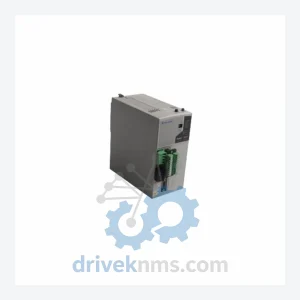
Bosch KM3300 Modules KM 3300-T 054915-103 KM3300
Bosch KM 3300-T 054915-103 KM3300 is listed for 3300 RFQ review. Confirm quantity, condition and destination before quotation.
RFQ-ready industrial model
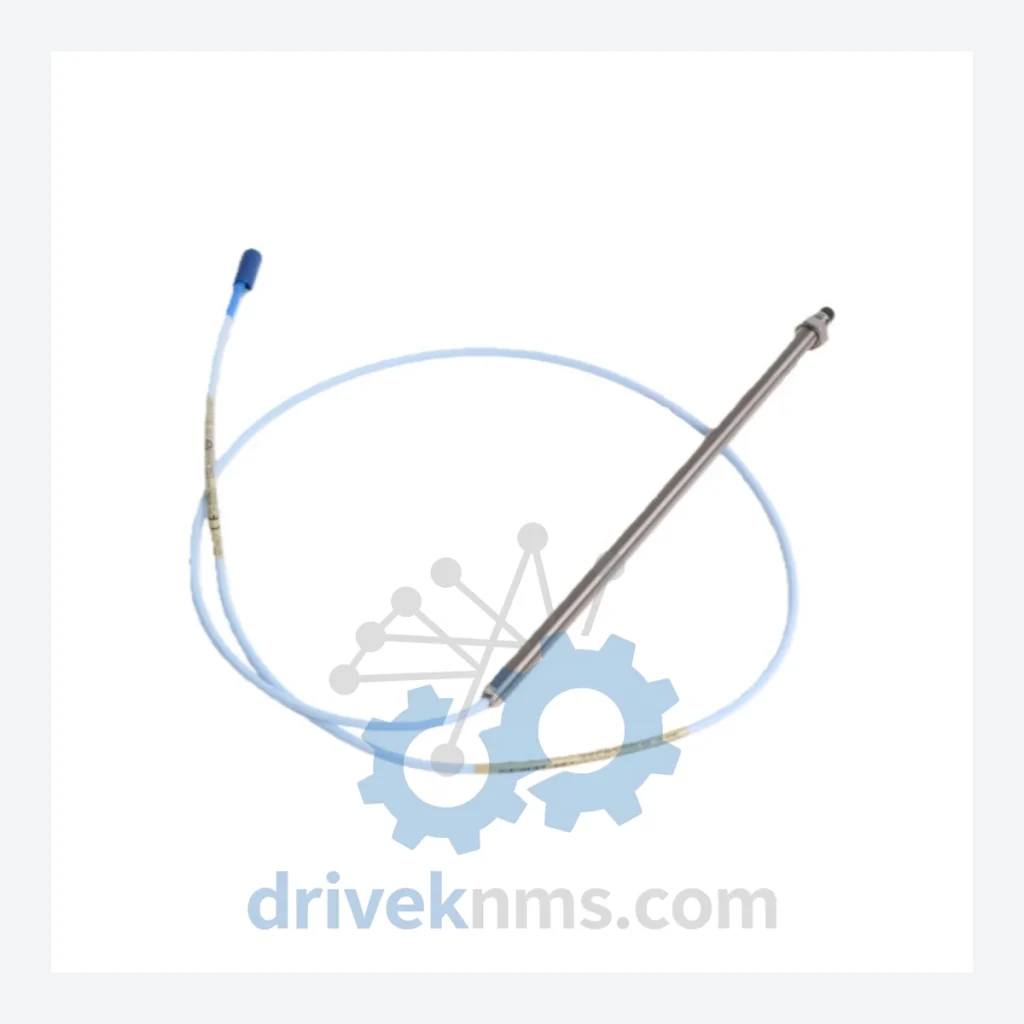
Model: 330101-00-96-10-02-CN
Product Overview
Commercial availability is handled through direct RFQ, model verification and export-oriented follow-up rather than public cart checkout.
Datasheet Preview
Use attached product manuals when available. If the manual is not public yet, request the full file directly through RFQ.
Commercial Path
Product pages on DRIVEKNMS are designed to verify model, brand and series first, then move the buyer into one clean quotation path.
Technical Dossier
The Bently Nevada 3300 Series is one of the most widely deployed eddy-current proximity probe systems in global heavy industry. Installed across petrochemical refineries, nuclear power stations, LNG terminals, and rotating machinery facilities on every continent, the 3300 Series has served as the de facto standard for shaft vibration, axial position, and differential expansion measurement since its commercial introduction in the 1980s. Its 8 mm probe diameter and standardized extension cable/driver architecture made it the backbone of machinery protection systems running on platforms including GE System 1, Bently Nevada 3500 rack systems, and legacy TDC-era DCS integrations.
The series operates on the eddy-current (non-contact) measurement principle. A high-frequency oscillator in the driver (proximitor) generates an electromagnetic field at the probe tip. When a conductive target surface enters this field, eddy currents are induced, reducing the field amplitude. The driver converts this change into a DC voltage output proportional to the gap distance — typically –24 VDC at 200 mil (5.08 mm) gap for standard configurations.
Early Generation (1980s–1990s): The original 3300 probes used a 5-meter standard cable with a fixed connector interface. Proximitors were panel-mounted units with BNC output. These units were designed for integration with Bently Nevada's own monitoring racks and were not intended for third-party DCS direct connection without signal conditioning.
Mid Generation (1990s–2000s): Bently Nevada introduced the XL series variants within the 3300 family, extending cable length options to 9 m and 15 m, and standardizing the Micro-Dot connector interface. The 330101 and 330102 probe families were formalized during this period, with the 330180 proximitor becoming the dominant driver unit for new installations.
Late Generation / Transition (2000s–present): With GE's acquisition of Bently Nevada in 2002, the 3300 Series entered a managed lifecycle phase. The 3500 Series was positioned as the successor platform for new installations, while the 3300 Series continued to be supported for existing installed bases. Many 3300 Series components are now classified as end-of-life or RFQ availability review by the OEM, making third-party sourcing the primary procurement channel for maintenance teams.
Compatibility note: 3300 Series probes are not directly interchangeable with 3500 Series probes without verifying the proximitor output range and target material calibration. Mixing generations without recalibration will produce measurement errors.
The following SKUs represent the core of the 3300 Series product family. Each entry reflects a verified, commercially documented part number within this system architecture.
Proximity Probes (330101 Family – 8 mm Standard Probe)
Proximity Probes (330102 Family – 8 mm XL Probe)
Extension Cables (330130 Family)
Proximitors / Drivers (330180 Family)
For facilities operating 20 or more measurement points on 3300 Series hardware, DriveKNMS recommends a structured long-term spare strategy: a minimum of one probe and one proximitor per critical machine train, held in climate-controlled storage, with annual condition verification. This approach has demonstrably extended operational asset life by 5–10 years beyond OEM support termination at multiple customer sites, deferring capital expenditure on system upgrades until a planned turnaround window.
The 3300 Series presents specific QC challenges that differ from digital I/O or CPU modules. The measurement chain is analog and continuous — any degradation in the probe tip geometry, cable impedance, or proximitor oscillator circuit directly corrupts the output signal and, by extension, the machinery protection decision.
DriveKNMS applies a five-stage verification protocol to all 3300 Series units:
Units that pass all five stages are issued a DriveKNMS QC certificate with test date, technician ID, and measured calibration data. This documentation is provided with every shipment.
Continue The Model Path
Move from this exact model into the matching system hub, brand archive, model-family archive or lifecycle sourcing route before sending a final RFQ list.
Related Paths
Bosch KM 3300-T 054915-103 KM3300 is listed for 3300 RFQ review. Confirm quantity, condition and destination before quotation.
ProSoft Technology 3300-MBP is listed for 3300 RFQ review. Confirm quantity, condition and destination before quotation.
Fanuc A06B-6400-H102 A20B-3300-0381 is listed for 3300 RFQ review. Confirm quantity, condition and destination before quotation.