
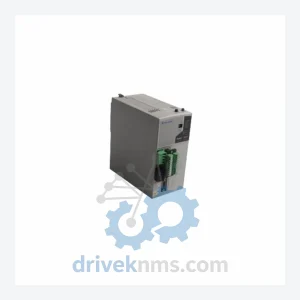
Bosch KM3300 Modules KM 3300-T 054915-103 KM3300
Bosch KM 3300-T 054915-103 KM3300 is listed for 3300 RFQ review. Confirm quantity, condition and destination before quotation.
RFQ-ready industrial model
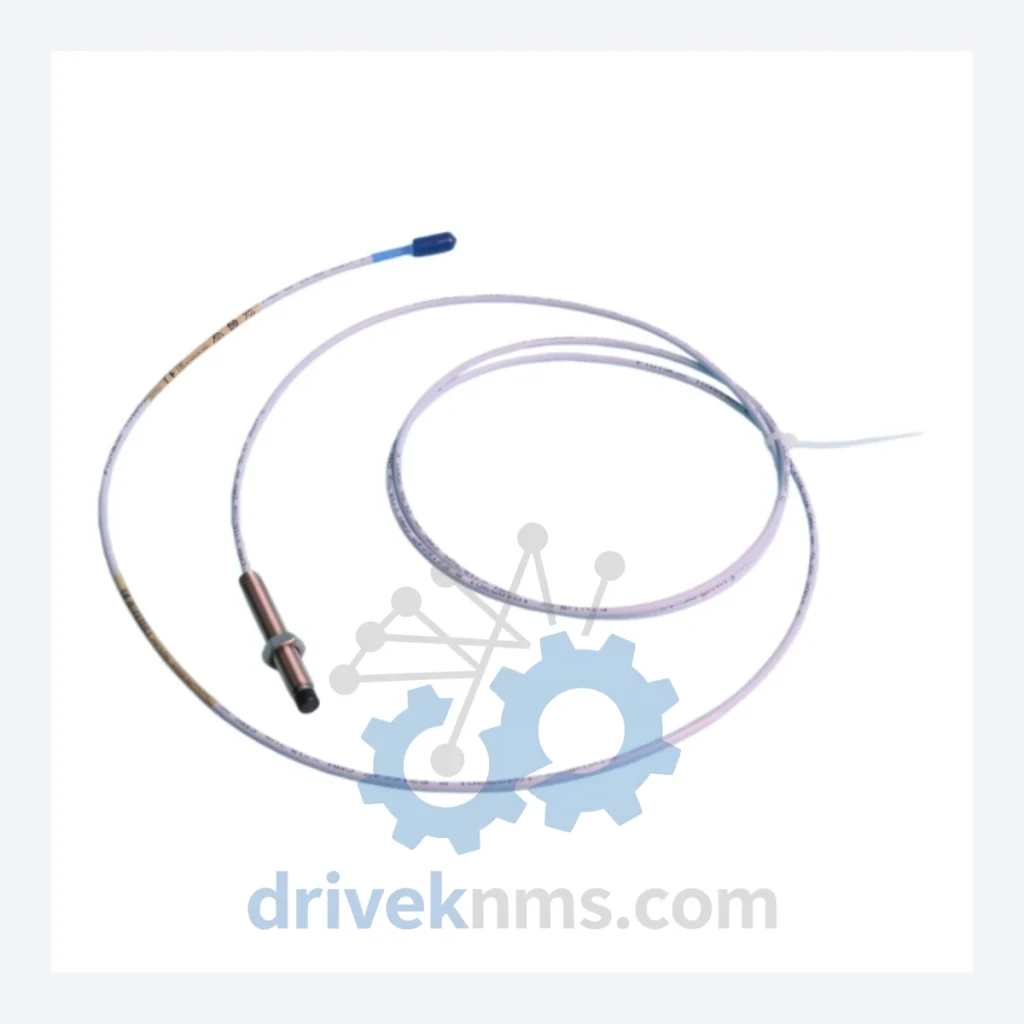
Model: 330101-00-25-05-11-00
Product Overview
Commercial availability is handled through direct RFQ, model verification and export-oriented follow-up rather than public cart checkout.
Datasheet Preview
Use attached product manuals when available. If the manual is not public yet, request the full file directly through RFQ.
Commercial Path
Product pages on DRIVEKNMS are designed to verify model, brand and series first, then move the buyer into one clean quotation path.
Technical Dossier
RFQ support for obsolete parts: Send the model number, required quantity and destination so DriveKNMS can confirm sourcing options before quotation.
| Parameter | Value |
|---|---|
| Part Number | 330101-00-25-05-11-00 |
| Manufacturer | Bently Nevada (GE) |
| Series | 3300 XL 8mm Proximity Transducer System |
| Probe Type | Eddy-current proximity probe |
| Cable Length | 25 cm (integral cable) |
| Tip Diameter | 8 mm |
| Thread Size | M10 x 1 |
| Connector | 5-pin integral |
| Temperature Range | -35°C to +177°C (probe body) |
| Compatible Driver/Conditioner | Bently Nevada 3300 XL series drivers (e.g., 330180) |
| Discontinuation Status | Discontinued by GE Bently Nevada; no direct OEM replacement available under this part number |
| Country of Origin | United States |
Note: Electrical parameters such as sensitivity (mV/mil) and gap voltage are system-calibrated values dependent on the paired driver and target material. These must be verified during commissioning. DriveKNMS does not publish unverified electrical specifications.
The Bently Nevada 3300 series proximity transducer system was the industry standard for shaft vibration and position monitoring on rotating machinery for decades. It is embedded in turbine protection systems, compressor trains, and pump monitoring racks across refineries, LNG terminals, power plants, and offshore platforms worldwide. Many of these installations were engineered in the 1990s and early 2000s with 20–30 year asset lifespans in mind.
GE Bently Nevada has transitioned its product line toward the 3500 series and newer platforms. The 330101-00-25-05-11-00 probe, along with its companion drivers and extension cables, is no longer manufactured. Facilities that have not pre-positioned spare inventory face a hard choice when a probe fails: source a used or refurbished unit from the secondary market, or commit to a full system upgrade.
The upgrade path is rarely straightforward. The 3300 series rack communicates with DCS platforms — including legacy Honeywell TDC 3000, Foxboro I/A Series, and ABB MasterPiece 200 systems — through hardwired 4–20 mA and relay outputs that are deeply integrated into cause-and-effect matrices and safety instrumented functions. Replacing the monitoring system means re-engineering those interfaces, updating SIL assessments, and re-validating the entire protection loop. For a single machine train, that process takes months and costs that are difficult to justify when the underlying rotating equipment has years of remaining service life.
For facilities managing aging turbomachinery with 3300 series protection systems, the following approach has been used by maintenance teams to defer costly platform upgrades while maintaining operational reliability:
1. Conduct a full spare parts audit. Map every 330101-series probe, extension cable, and driver in your protection system. Identify units that are beyond their recommended service interval or showing drift in gap voltage readings. These are your near-term failure candidates.
3. Establish a calibration verification schedule. Even probes that appear functional can exhibit sensitivity drift over time, particularly in high-temperature or high-vibration environments. Annual bench calibration against a known target confirms the probe is operating within specification.
4. Document your gap settings. Record the installed gap voltage and sensitivity for every probe position. This data is essential for rapid replacement without extended re-commissioning time.
5. Source from verified secondary market suppliers. Not all secondary market inventory is equal. Probes that have been stored improperly, subjected to mechanical shock, or had their cables repaired without proper impedance matching will not perform reliably. Require documentation of storage conditions and functional test results before accepting any unit.
This approach has allowed facilities to operate 3300 series protection systems reliably for 5–10 years beyond the point at which OEM support was withdrawn, deferring capital expenditure until it aligns with planned turnaround cycles or equipment end-of-life decisions.
DriveKNMS applies a 5-step inspection protocol to every discontinued probe before it is offered for sale:
Step 1 – Visual and mechanical inspection. The probe body, tip, and integral cable are examined for physical damage, thread condition, and cable jacket integrity. Units with repaired cables or evidence of tip impact are rejected.
Step 2 – Connector and pin inspection. The connector pins are inspected under magnification for corrosion, bending, and plating wear. Corroded or deformed pins are a primary cause of intermittent signal faults in field installations.
Step 3 – Impedance verification. The probe coil impedance is measured and compared against the published specification range for the 330101 series. Out-of-specification readings indicate coil damage or winding degradation.
Step 4 – Gap voltage functional test. Where test equipment is available, the probe is tested with a compatible Bently Nevada driver against a standard steel target to verify that the output voltage versus gap relationship is within the expected range.
Step 5 – Firmware and labeling verification. The part number label, date code, and any revision markings are verified against known authentic units. This step screens for counterfeit or mislabeled inventory, which is a documented problem in the secondary market for discontinued Bently Nevada parts.
Units that pass all five steps are classified as verified serviceable. Units that pass steps 1–3 but cannot be functionally tested due to equipment constraints are classified as inspected/untested and are disclosed as such.
The 330101-00-25-05-11-00 is a direct, drop-in replacement for any installed unit of the same part number. No reprogramming is required. No driver reconfiguration is required. The replacement procedure is a mechanical swap followed by gap adjustment to the recorded installation gap — a task within the competency of any instrumentation technician familiar with eddy-current proximity systems.
This matters operationally. When a probe fails during operation, the pressure to return the machine to service is immediate. A replacement that requires engineering involvement, software changes, or system reconfiguration extends the outage. A verified drop-in spare eliminates that delay.
Using a genuine 330101-series probe also avoids the risk of compatibility issues that can arise when attempting to substitute probes from other manufacturers or series into a calibrated 3300 XL system. The driver, extension cable, and probe are a matched system. Substituting non-matched components can introduce sensitivity errors that are not immediately apparent but will cause the protection system to trip at incorrect vibration levels — either failing to protect the machine or causing spurious trips.
How do I confirm the unit is genuine and not counterfeit?
Every unit sold by DriveKNMS has passed the 5-step inspection protocol described above, which includes label and date code verification. We provide documentation of the inspection results with each unit. If you require additional authentication, we can provide high-resolution photographs of the label, connector, and probe body prior to shipment.
Continue The Model Path
Move from this exact model into the matching system hub, brand archive, model-family archive or lifecycle sourcing route before sending a final RFQ list.
Related Paths
Bosch KM 3300-T 054915-103 KM3300 is listed for 3300 RFQ review. Confirm quantity, condition and destination before quotation.
ProSoft Technology 3300-MBP is listed for 3300 RFQ review. Confirm quantity, condition and destination before quotation.
Fanuc A06B-6400-H102 A20B-3300-0381 is listed for 3300 RFQ review. Confirm quantity, condition and destination before quotation.