
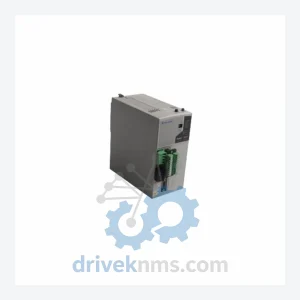
Bosch KM3300 Modules KM 3300-T 054915-103 KM3300
Bosch KM 3300-T 054915-103 KM3300 is listed for 3300 RFQ review. Confirm quantity, condition and destination before quotation.
RFQ-ready industrial model
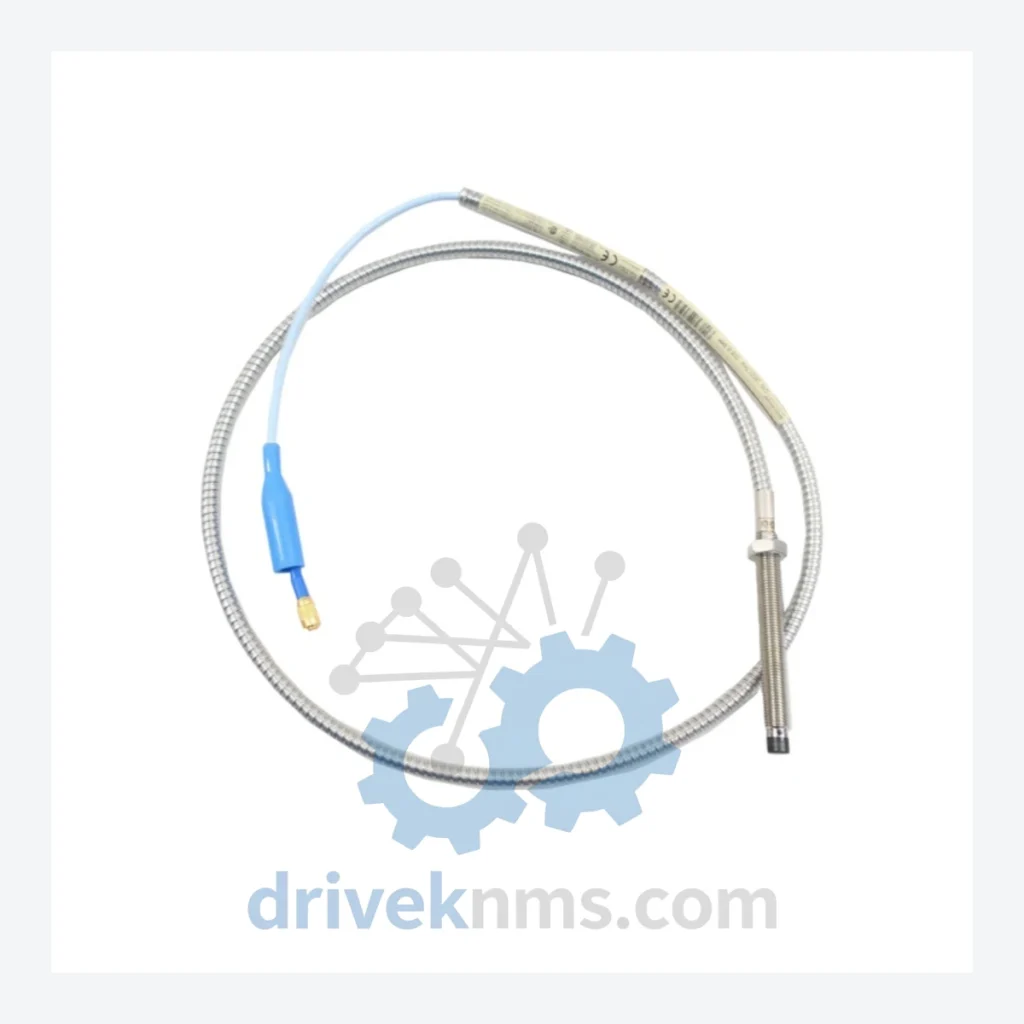
Model: 330102-00-18-90-02-00
Product Overview
Commercial availability is handled through direct RFQ, model verification and export-oriented follow-up rather than public cart checkout.
Datasheet Preview
Use attached product manuals when available. If the manual is not public yet, request the full file directly through RFQ.
Commercial Path
Product pages on DRIVEKNMS are designed to verify model, brand and series first, then move the buyer into one clean quotation path.
Technical Dossier
RFQ support for obsolete parts: Send the model number, required quantity and destination so DriveKNMS can confirm sourcing options before quotation.
| Parameter | Detail |
|---|---|
| Part Number | 330102-00-18-90-02-00 |
| Brand | Bently Nevada (Baker Hughes) |
| Series | 3300 Series |
| Component Type | Eddy-Current Proximity Probe |
| Probe Length | 18 inches (457 mm) – per part number suffix |
| Cable Length | 90 inches (2,286 mm) – per part number suffix |
| Connector Type | 02-00 configuration per OEM suffix |
| System Compatibility | Bently Nevada 3300 Series Monitors; 3500 Series (with verified signal conditioning check) |
| Production Status | Discontinued / Obsolete – no longer manufactured by OEM |
| Country of Origin | United States |
Q: How are RFQ terms confirmed?
A: Quantity, required condition, documentation needs, destination and sourcing route are confirmed during RFQ review before quotation.
The decision to extend the operational life of a legacy turbomachinery protection system is a capital allocation decision, not merely a maintenance decision. The following framework has been applied successfully at facilities operating Bently Nevada 3300 Series and similar legacy platforms (including Emerson CSI, Metrix, and early Rockwell Automation vibration systems):
1. Conduct a Component Criticality Audit. Map every 3300 Series component in the protection loop — probes, extension cables, proximitors, monitor cards, power supplies — and classify each by failure consequence (trip, alarm, or data loss only) and by current sourcing status on the secondary market. This audit defines your procurement priority list.
3. Implement a Scheduled Probe Inspection Cycle. Proximity probes in high-temperature or high-vibration environments should be inspected every 18–24 months for tip wear, cable jacket integrity, and connector corrosion. Early replacement on a planned basis costs a fraction of an emergency replacement during a forced outage.
4. Maintain Calibration Records. Each probe-proximitor pair in a 3300 Series loop should have a documented calibration record. When a probe is replaced, the replacement must be verified against the same gap voltage curve as the original. Substituting a probe without recalibration introduces measurement error that can mask developing bearing faults.
5. Engage a Qualified Secondary Market Supplier. Not all secondary market sources for obsolete Bently Nevada parts apply consistent quality controls. Counterfeit and substandard proximity probes have been documented in the industrial parts market. Verify that your supplier applies incoming inspection, functional testing, and traceability documentation before accepting any obsolete probe into your protection system.
DriveKNMS applies a 5-step quality assurance process to all obsolete proximity probes before dispatch review:
Step 1 – Visual and Mechanical Inspection. Probe tip geometry, cable jacket condition, and connector pin integrity are inspected under magnification. Any unit showing tip wear, jacket cracking, or pin corrosion is rejected at this stage.
Step 2 – Electrolytic Capacitor Assessment. For units that have been in storage, internal passive components — including any electrolytic capacitors in the proximitor circuit — are assessed for age-related degradation. Units with evidence of capacitor bulging or electrolyte leakage are quarantined.
Step 3 – Firmware and Configuration Verification. Where applicable, embedded configuration data is verified against OEM documentation to confirm the unit has not been field-modified or reconfigured for a non-standard application.
Step 4 – Functional Signal Test. Each probe is bench-tested in a simulated 3300 Series loop to verify output linearity and sensitivity within OEM-specified tolerance bands.
Q: How do I confirm the unit is genuine Bently Nevada and not a counterfeit?
A: All units supplied by DriveKNMS are sourced through documented industrial channels. We provide the original OEM part markings, our incoming inspection report, and — where available — original OEM packaging. We do not source from unverified brokers or auction platforms.
Q: Can this probe be used with a Bently Nevada 3500 Series monitor?
A: Compatibility between 3300 Series probes and 3500 Series monitors depends on the specific monitor card and its configured sensitivity range. This must be verified on a case-by-case basis. Contact our technical team with your monitor card part number before ordering for cross-series applications.
Continue The Model Path
Move from this exact model into the matching system hub, brand archive, model-family archive or lifecycle sourcing route before sending a final RFQ list.
Related Paths
Bosch KM 3300-T 054915-103 KM3300 is listed for 3300 RFQ review. Confirm quantity, condition and destination before quotation.
ProSoft Technology 3300-MBP is listed for 3300 RFQ review. Confirm quantity, condition and destination before quotation.
Fanuc A06B-6400-H102 A20B-3300-0381 is listed for 3300 RFQ review. Confirm quantity, condition and destination before quotation.