
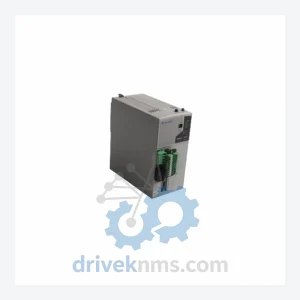
Bosch KM3300 Modules KM 3300-T 054915-103 KM3300
Bosch KM 3300-T 054915-103 KM3300 is listed for 3300 RFQ review. Confirm quantity, condition and destination before quotation.
RFQ-ready industrial model
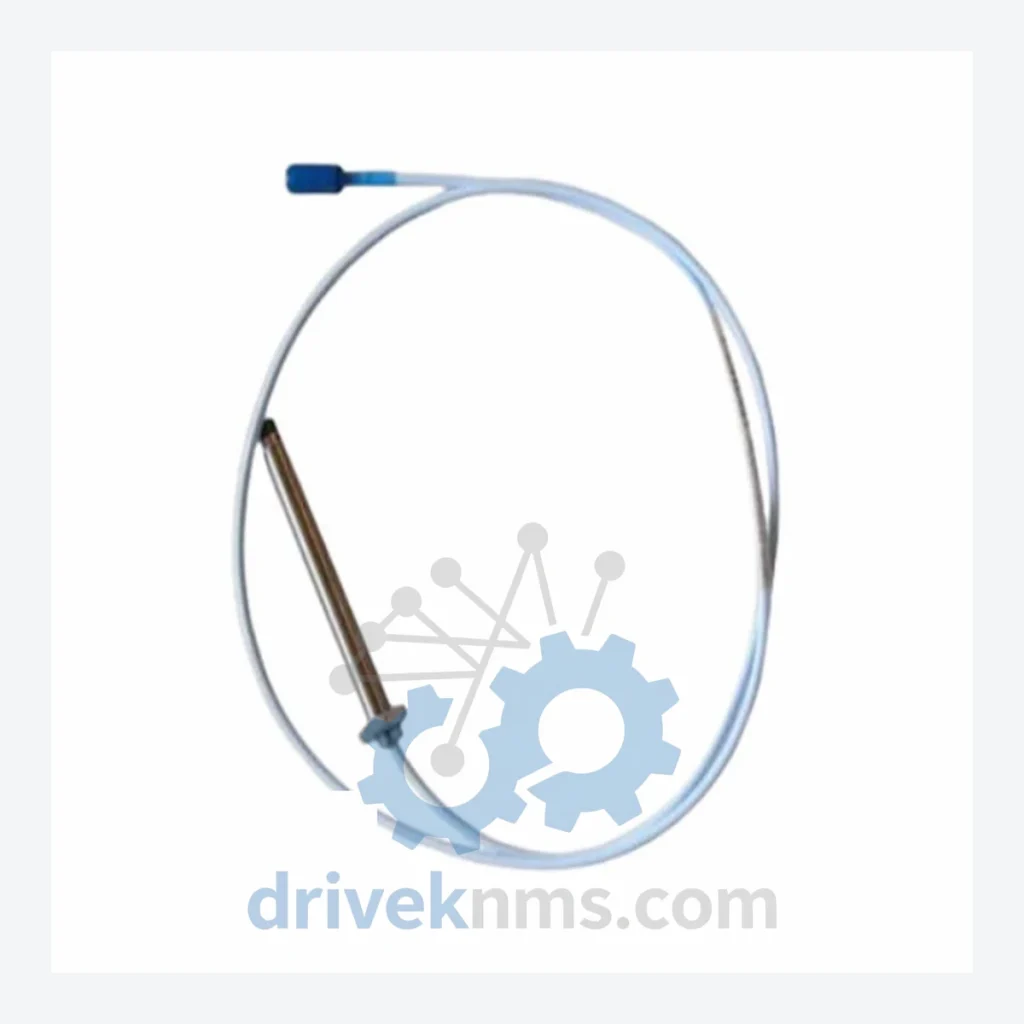
Model: 330103-00-03-50-02-00
Product Overview
Commercial availability is handled through direct RFQ, model verification and export-oriented follow-up rather than public cart checkout.
Datasheet Preview
Use attached product manuals when available. If the manual is not public yet, request the full file directly through RFQ.
Commercial Path
Product pages on DRIVEKNMS are designed to verify model, brand and series first, then move the buyer into one clean quotation path.
Technical Dossier
RFQ support for obsolete parts: Send the model number, required quantity and destination so DriveKNMS can confirm sourcing options before quotation.
| Parameter | Detail |
|---|---|
| Part Number | 330103-00-03-50-02-00 |
| Manufacturer | Bently Nevada (Baker Hughes) |
| Series | 3300 Series |
| Product Type | Proximity Transducer System |
| Discontinuation Status | Discontinued / Obsolete – No longer in production |
| Country of Origin | United States |
| Compatible Systems | Bently Nevada 3300 Series vibration monitoring racks; legacy turbomachinery protection systems |
| Condition Available | New surplus / Professionally refurbished (see QA section) |
Note: Electrical parameters such as supply voltage, output range, and cable length specifications vary by sub-configuration. Confirm your exact system requirements before ordering. DriveKNMS technical staff can assist with cross-referencing.
The Bently Nevada 3300 Series was the industry standard for shaft vibration and position monitoring across petrochemical, power generation, and heavy industrial facilities for decades. Its architecture — built around eddy-current proximity transducers, extension cables, and dedicated signal conditioning — was designed for long-term reliability in harsh environments. That reliability is now its liability: the system works so well that facilities have continued operating it well past the point where Bently Nevada (now Baker Hughes) ceased manufacturing replacement components.
The 330103-00-03-50-02-00 transducer system is a field-replaceable unit within this architecture. When it fails, there is no modern drop-in equivalent that integrates without modification into an existing 3300 Series rack. Substituting a current-generation transducer requires recalibration of the entire monitoring loop, potential firmware changes to the monitor module, and in many cases, re-validation of the machinery protection system — a process that can take weeks and requires specialized Bently Nevada-certified engineers.
For plant managers operating under asset life extension mandates, the calculus is straightforward: sourcing a verified 330103-00-03-50-02-00 from a specialist supplier like DriveKNMS preserves the existing validated system configuration, avoids re-engineering costs, and keeps the machinery protection system in a known-good state. This is not a workaround. It is the correct engineering decision for facilities that are not yet ready — or not yet funded — for a full system migration.
Facilities running Bently Nevada 3300 Series systems alongside legacy DCS platforms such as Honeywell TDC 3000, ABB Master, or older Emerson Ovation installations face compounded obsolescence risk. A failure in the vibration monitoring layer can cascade into broader control system instability. Maintaining a strategic spare inventory of critical transducer components is a recognized best practice in rotating equipment reliability engineering.
For plant management teams facing pressure to retire aging vibration monitoring infrastructure, the following approach has been applied successfully across petrochemical and power generation facilities to defer capital expenditure while maintaining system integrity:
1. Criticality-Based Spare Inventory: Identify the three to five transducer and monitor module part numbers that, if unavailable, would force an immediate system shutdown or unmonitored operation. Maintain a minimum of two verified spares for each. The 330103-00-03-50-02-00 is typically in this category for 3300 Series installations.
2. Condition Monitoring of the Monitoring System: Proximity transducer systems themselves degrade. Establish a periodic verification schedule — typically annual — that checks gap voltage, sensitivity, and signal noise floor against original commissioning records. Early detection of transducer drift allows planned replacement rather than emergency sourcing.
3. Supplier Qualification for Obsolete Parts: Not all surplus suppliers apply equivalent quality controls. Require documentation of inspection procedures, storage conditions, and any refurbishment work performed. DriveKNMS provides full inspection records with each unit.
4. Configuration Freeze and Documentation: Freeze the system configuration — firmware versions, calibration records, wiring diagrams — and store copies off-site. This documentation is essential if a replacement unit requires reconfiguration and the original commissioning engineer is no longer available.
5. Phased Migration Planning: Use the time purchased by spare part availability to plan a structured migration on a timeline that aligns with planned shutdowns and capital budget cycles, rather than being forced into emergency replacement at maximum cost.
DriveKNMS applies a 5-step inspection protocol to all obsolete and surplus proximity transducer units before dispatch review:
Step 1 – Electrolytic Capacitor Assessment: Aging electrolytic capacitors are the primary failure mode in stored electronic assemblies. Each unit is inspected for capacitor bulging, leakage, and ESR (equivalent series resistance) deviation from specification. Units with degraded capacitors are either recapped or rejected.
Step 2 – Firmware and Configuration Verification: Where applicable, firmware version is confirmed against the part number's known production revision history. Units with unknown or mismatched firmware are flagged and not shipped without customer confirmation.
Step 3 – Pin and Connector Inspection: All connector pins are inspected under magnification for corrosion, fretting, and mechanical deformation. Corroded contacts are cleaned using appropriate methods; units with structural pin damage are rejected.
Step 4 – Functional Bench Test: Units are powered and tested for basic electrical function where test equipment permits. Output signal characteristics are verified against known-good reference data.
Step 5 – Packaging and Storage Verification: Units are inspected for storage damage — moisture ingress, physical impact, ESD exposure indicators — before final packaging in anti-static, moisture-barrier materials for shipment.
Drop-in Replacement: The 330103-00-03-50-02-00 is a direct replacement for the same part number within an existing 3300 Series installation. No rack modification, no re-engineering of the monitoring loop, no changes to the DCS interface.
No Reprogramming Required: Unlike migrating to a current-generation transducer system, replacing a like-for-like unit preserves all existing calibration data, alarm setpoints, and system validation records. The replacement is transparent to the broader control system.
Avoids Engineering Reconstruction Costs: A forced migration to a current-generation vibration monitoring platform requires loop recalibration, potential changes to the machinery protection philosophy, and re-validation — costs that routinely exceed the value of the equipment being protected. A verified spare eliminates this exposure entirely.
Q: Should I buy more than one unit as a long-term spare?
A: For any facility operating a 3300 Series system with no near-term migration plan, holding a minimum of two units is the standard recommendation in rotating equipment reliability practice. Global availability of this part number continues to decline. Current pricing reflects current sourcing status; future sourcing will be more difficult and more expensive.
Q: Can you verify compatibility with my specific rack configuration before I order?
A: Yes. Provide your rack model number and existing transducer cable part number and our technical team will confirm compatibility before you commit to a purchase.
Continue The Model Path
Move from this exact model into the matching system hub, brand archive, model-family archive or lifecycle sourcing route before sending a final RFQ list.
Related Paths
Bosch KM 3300-T 054915-103 KM3300 is listed for 3300 RFQ review. Confirm quantity, condition and destination before quotation.
ProSoft Technology 3300-MBP is listed for 3300 RFQ review. Confirm quantity, condition and destination before quotation.
Fanuc A06B-6400-H102 A20B-3300-0381 is listed for 3300 RFQ review. Confirm quantity, condition and destination before quotation.