
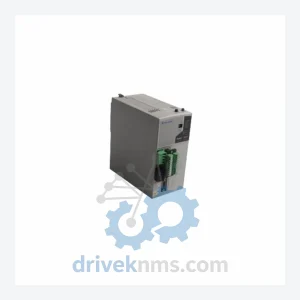
Bosch KM3300 Modules KM 3300-T 054915-103 KM3300
Bosch KM 3300-T 054915-103 KM3300 is listed for 3300 RFQ review. Confirm quantity, condition and destination before quotation.
RFQ-ready industrial model
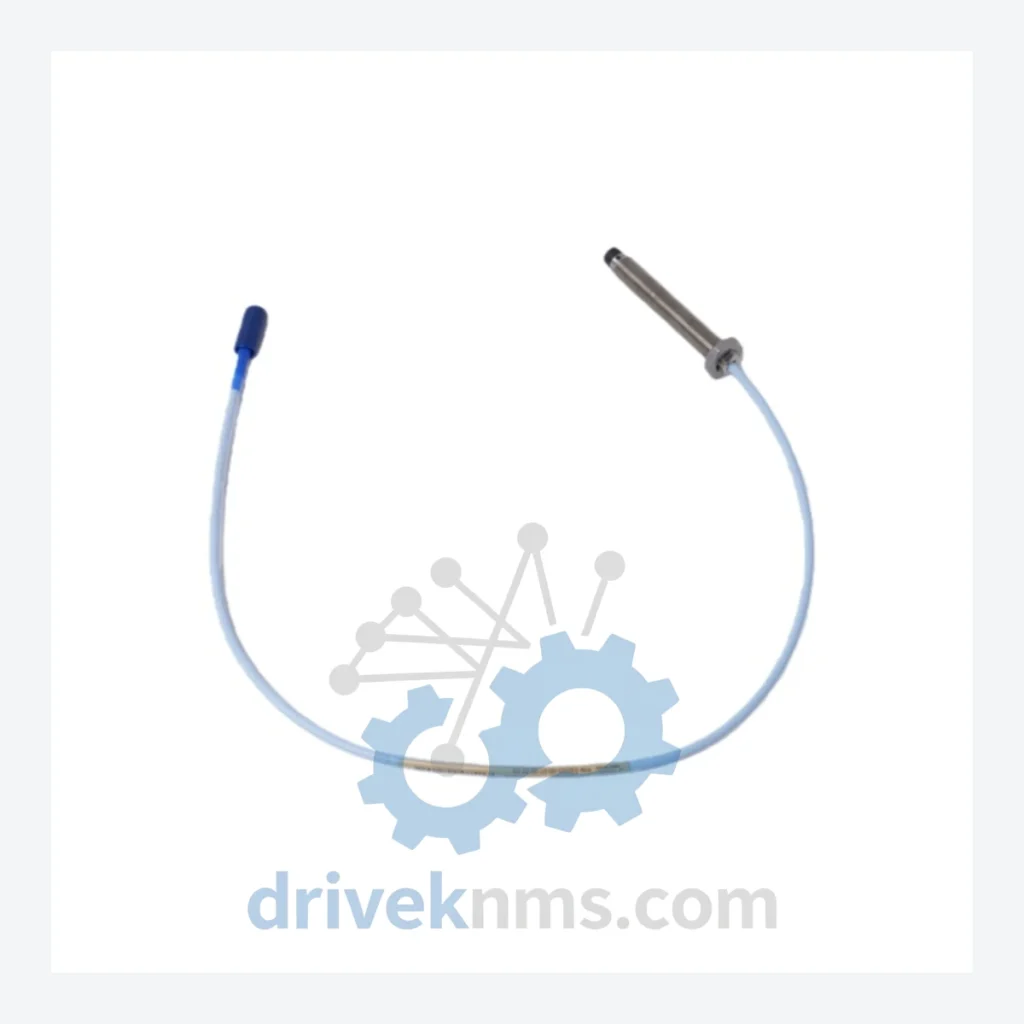
Model: 330103-00-07-05-01-00
Product Overview
Commercial availability is handled through direct RFQ, model verification and export-oriented follow-up rather than public cart checkout.
Datasheet Preview
Use attached product manuals when available. If the manual is not public yet, request the full file directly through RFQ.
Commercial Path
Product pages on DRIVEKNMS are designed to verify model, brand and series first, then move the buyer into one clean quotation path.
Technical Dossier
When a proximity probe fails on a turbomachinery protection system, the consequences are not limited to a single sensor replacement. For plants still operating on Bently Nevada's 3300 Series architecture — a platform that has been discontinued and is no longer supported by Baker Hughes — a single unavailable component can force a complete vibration monitoring system overhaul. Engineering assessments, new cabling infrastructure, updated DCS integration, and revalidation of machinery protection logic routinely push such projects past USD $500,000 per train. For multi-train facilities, the exposure multiplies accordingly.
DriveKNMS reviews sourcing options for this model through RFQ handling before quotation.
RFQ support for obsolete parts: Send the model number, required quantity and destination so DriveKNMS can confirm sourcing options before quotation.
| Parameter | Value |
|---|---|
| Part Number | 330103-00-07-05-01-00 |
| Manufacturer | Bently Nevada (Baker Hughes) |
| Series | 3300 Series |
| Type | Eddy-Current Proximity Probe |
| Measurement System | Metric |
| Cable Length | 7.62 m (25 ft) — per part number configuration |
| Connector Type | 3-pin MIL-C-5015 style |
| Compatible Monitor | Bently Nevada 3300 Series Vibration Monitors |
| Compatible Driver/Conditioner | 330180 / 330130 Series Extension Cables and Drivers |
| Product Status | Discontinued / Obsolete — no longer manufactured |
| Country of Origin | United States |
Note: Electrical parameters such as sensitivity (mV/mil), gap voltage range, and frequency response are system-dependent and must be verified against the specific monitor and driver combination in your installation. DriveKNMS does not publish unverified specifications.
The Bently Nevada 3300 Series was the industry standard for turbomachinery vibration and position monitoring across refineries, power generation facilities, and petrochemical plants for decades. Its eddy-current proximity probe system — measuring shaft radial vibration, axial position, and differential expansion — became embedded in the safety and protection logic of rotating equipment worldwide.
Baker Hughes officially discontinued the 3300 Series platform. Replacement parts are no longer available through OEM channels. Plants that have not transitioned to the 3500 Series or a third-party equivalent face a hard reality: when a probe fails, there is no factory order to place.
The 330103-00-07-05-01-00 is a metric-configuration probe designed for direct integration into existing 3300 Series loops. It requires no recalibration of the monitor, no modification to the extension cable, and no changes to the vibration monitoring software. For a plant running Bently Nevada 3300 monitors alongside legacy DCS platforms — such as Honeywell TDC 3000, ABB MasterPiece 200/1, or Foxboro I/A Series — this drop-in compatibility is operationally critical. Any deviation from the original probe specification introduces the risk of measurement error, nuisance trips, or — more dangerously — missed machinery faults.
How to extend the service life of your 3300 Series system by 5 to 10 years:
A phased approach works as follows: in year one, audit all installed probes for cable jacket condition, connector integrity, and gap voltage drift. In years two and three, replace probes showing measurable degradation while holding verified spares for critical trains. This approach defers a multi-million dollar system migration while maintaining API 670 compliance on machinery protection — a defensible position for both operations and asset management teams.
Obsolete parts sourced outside OEM channels carry inherent risk. DriveKNMS applies a 5-step QA process to every 330103-00-07-05-01-00 unit before it leaves our facility:
Step 1 — Visual and Mechanical Inspection: Probe tip, cable jacket, and connector body are examined for physical damage, corrosion, and deformation. Units with compromised cable armor or bent connector pins are rejected.
Step 2 — Connector and Pin Integrity Check: All connector contacts are inspected for oxidation and pin recession. Corroded contacts are a primary failure mode in stored proximity probes and are cause for immediate rejection.
Step 3 — Coil Continuity and Resistance Verification: The probe coil is tested for continuity and resistance consistency. Open circuits or out-of-tolerance resistance values indicate coil degradation and render the unit non-serviceable.
Step 4 — Cable Insulation Resistance Test: Insulation resistance between the coil circuit and cable shield is measured. Degraded insulation — common in probes stored in high-humidity environments — introduces noise into the vibration signal and is disqualifying.
Step 5 — Documentation and Traceability: Each unit is logged with inspection results, storage condition history where available, and a unique DriveKNMS QA reference number. This documentation accompanies the shipment and supports your incoming inspection process.
The 330103-00-07-05-01-00 is a direct, drop-in replacement for the same part number installed in your system. There is no firmware to update, no driver reconfiguration required, and no changes to your monitor's gap voltage setpoints — provided the replacement probe is installed at the correct gap distance per the original commissioning documentation.
This matters because the alternative — substituting a non-identical probe — requires recalculation of the sensitivity factor, adjustment of the monitor's OK limit thresholds, and in many cases, a formal management of change (MOC) process. For facilities under API 670 or IEC 61511 compliance obligations, an unauthorized substitution can trigger a full functional safety review. The cost of that review, in engineering time alone, frequently exceeds the cost of sourcing the correct original part number.
Using the correct part number also preserves the integrity of your machinery protection baseline. Vibration trend data collected over years of operation is only meaningful if the measurement chain remains consistent. A probe substitution that alters sensitivity by even a small margin introduces a step-change in historical trend data that complicates fault diagnosis and can mask developing machinery problems.
Q: How do I know the unit is genuine and not a counterfeit?
A: All units are sourced through established industrial surplus and MRO channels. Physical markings, part number labels, and construction details are verified against known-good reference units during our QA process. We do not sell units where provenance cannot be established to a reasonable standard.
Q: Should I buy more than one unit?
A: For critical rotating equipment — compressors, turbines, pumps — holding a minimum of two spare probes per monitored shaft is standard practice. Given that this part is no longer manufactured, availability will only decrease over time. Facilities that have experienced a single unplanned outage due to an unavailable spare part consistently report that the cost of that outage exceeded the cost of a multi-year spare parts buffer by an order of magnitude.
Q: Can you supply other 3300 Series components?
A: Yes. DriveKNMS specializes in obsolete and hard-to-find industrial automation components. Contact us with your full bill of materials for 3300 Series spares and we will advise on availability.
Continue The Model Path
Move from this exact model into the matching system hub, brand archive, model-family archive or lifecycle sourcing route before sending a final RFQ list.
Related Paths
Bosch KM 3300-T 054915-103 KM3300 is listed for 3300 RFQ review. Confirm quantity, condition and destination before quotation.
ProSoft Technology 3300-MBP is listed for 3300 RFQ review. Confirm quantity, condition and destination before quotation.
Fanuc A06B-6400-H102 A20B-3300-0381 is listed for 3300 RFQ review. Confirm quantity, condition and destination before quotation.