
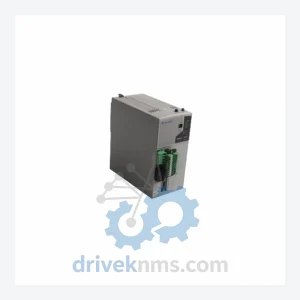
Bosch KM3300 Modules KM 3300-T 054915-103 KM3300
Bosch KM 3300-T 054915-103 KM3300 is listed for 3300 RFQ review. Confirm quantity, condition and destination before quotation.
RFQ-ready industrial model
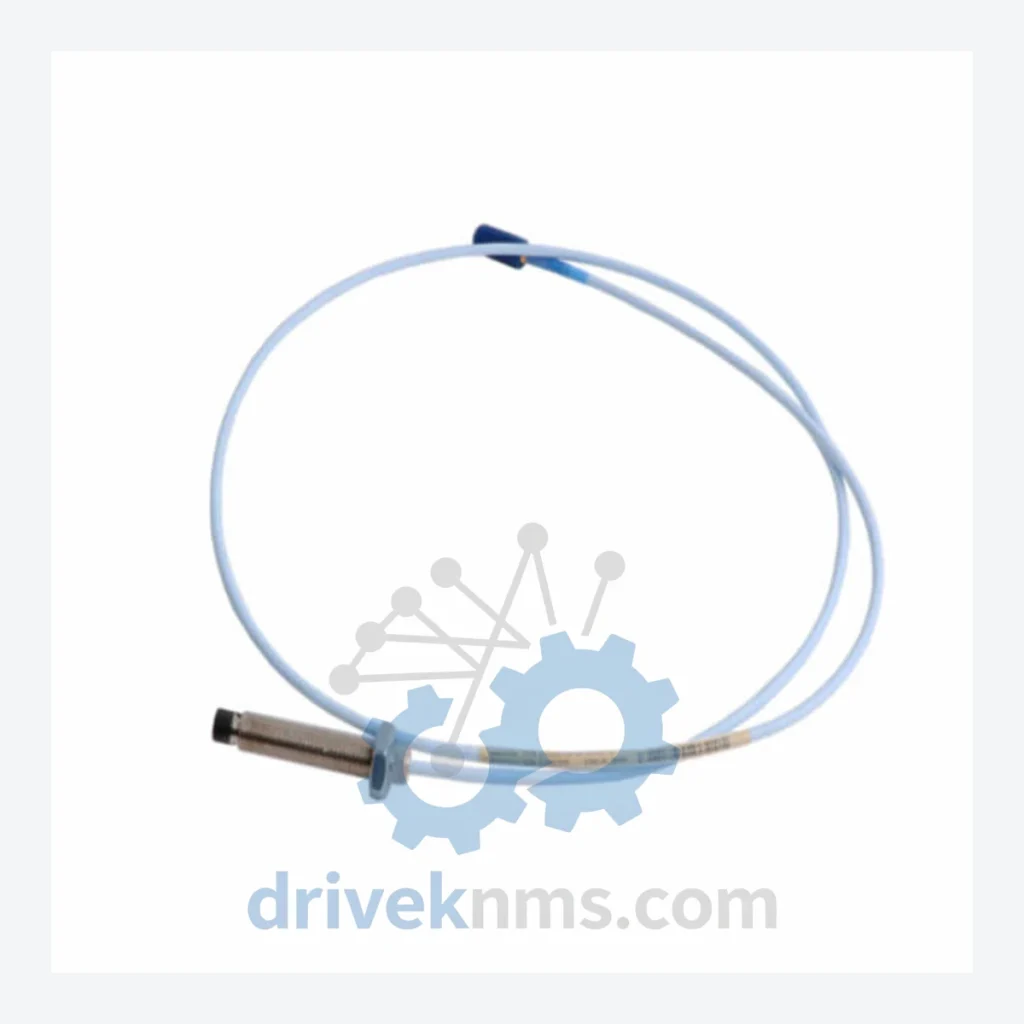
Model: 330104-06-14-10-02-00
Product Overview
Commercial availability is handled through direct RFQ, model verification and export-oriented follow-up rather than public cart checkout.
Datasheet Preview
Use attached product manuals when available. If the manual is not public yet, request the full file directly through RFQ.
Commercial Path
Product pages on DRIVEKNMS are designed to verify model, brand and series first, then move the buyer into one clean quotation path.
Technical Dossier
RFQ support for obsolete parts: Send the model number, required quantity and destination so DriveKNMS can confirm sourcing options before quotation.
| Parameter | Detail |
|---|---|
| Part Number | 330104-06-14-10-02-00 |
| Manufacturer | Bently Nevada (Baker Hughes) |
| Series | 3300 Series Proximity Transducer System |
| Product Type | Eddy-Current Proximity Transducer System |
| Manufacture Status | Discontinued / Obsolete – No longer in production |
| Country of Origin | United States |
| Compatible Systems | Bently Nevada 3300 Series monitors; legacy machinery protection systems using 3300 XL transducer inputs |
| Typical Application | Radial shaft vibration, axial position measurement on rotating machinery (turbines, compressors, pumps) |
Note: Electrical parameters (gap voltage, sensitivity, frequency range) are configuration-dependent. Confirmed specifications are provided upon request with unit serial number verification. No parameters are published here that cannot be independently verified.
The Bently Nevada 3300 Series was the industry standard for machinery protection across petrochemical, power generation, and heavy industrial facilities for decades. Its eddy-current proximity transducer systems were engineered for long-term installation — embedded in bearing housings, routed through conduit, and integrated into safety instrumented systems. That permanence is now a liability when components fail.
For facilities operating 10, 20, or 30-year-old machinery trains where the mechanical assets themselves remain serviceable, a full migration is rarely justified on engineering grounds alone. The rotating equipment is not the problem. The obsolete monitoring hardware is. Replacing a single transducer system at surplus cost — typically a fraction of one percent of the machinery's replacement value — is the rational choice. The 330104-06-14-10-02-00 is a direct, in-kind replacement that preserves the existing monitoring architecture without triggering a cascade of downstream engineering changes.
Plant managers facing pressure to retire aging control and monitoring infrastructure often underestimate the leverage that a disciplined spare parts strategy provides. The following principles apply directly to facilities running Bently Nevada 3300 Series installations:
1. Identify single-point-of-failure components. In a 3300 Series installation, the proximity transducer system is the field element with the highest exposure to environmental stress — heat, vibration, contamination. It is also the component with zero OEM availability. Map every installed transducer system by part number and document the machine train it protects.
4. Align spare parts procurement with maintenance cycles. Turnaround and outage windows are the correct time to inspect and replace aging transducer systems proactively — not after an in-service failure. A transducer system replaced during a planned outage costs hours. One that fails during operation costs days or weeks.
5. Document and protect institutional knowledge. The engineers who commissioned 3300 Series installations are retiring. Configuration data, calibration records, and installation drawings for these systems must be preserved and linked to the spare parts inventory. A spare part without its associated documentation has reduced value in an emergency.
Applied consistently, these five practices extend the operational life of a 3300 Series installation by five to ten years beyond what reactive maintenance strategies allow — without capital expenditure on system replacement.
DriveKNMS applies a five-step incoming inspection protocol to all obsolete proximity transducer systems before they are offered for sale:
Step 1 – Visual and mechanical inspection. Each unit is examined for physical damage, connector pin condition, cable jacket integrity, and corrosion at all contact surfaces. Units with pin corrosion, bent contacts, or jacket cracking are quarantined.
Step 2 – Electrolytic capacitor assessment. Aging electrolytic capacitors are a primary failure mode in stored electronic assemblies. Units are inspected for capacitor bulging, leakage, and date-code age. Where capacitor condition is uncertain, the unit is flagged for further evaluation before sale.
Step 3 – Firmware and configuration verification. Where applicable, firmware version and any embedded configuration parameters are documented and disclosed to the buyer prior to shipment.
Step 5 – Packaging and storage. Units that pass inspection are packaged in anti-static materials and stored in a climate-controlled environment. Each unit is individually labeled with its inspection date and condition grade.
Condition grades are disclosed on every order confirmation: New Surplus (original packaging, never installed), Refurbished (inspected, cleaned, tested, with documented repair history), or Used Tested (removed from service, inspected, functionally verified).
The 330104-06-14-10-02-00 is a direct replacement for the same part number in any Bently Nevada 3300 Series installation. No monitor reconfiguration is required. No cabling changes are required. No software updates are triggered. The replacement is mechanical and electrical — connect, gap, verify output, return to service.
This drop-in compatibility eliminates the engineering labor cost associated with cross-series substitutions. There is no need to engage a controls engineer to validate a substitute part number, no need to update the safety instrumented system documentation for a component change, and no need to re-perform loop calibration beyond the standard gap-setting procedure that applies to any transducer replacement.
For facilities where engineering change order (ECO) processes are time-consuming and costly, the in-kind replacement value of an exact part number match is significant. An ECO for a cross-series substitution at a regulated facility can require weeks of documentation, review, and approval. An in-kind replacement with the same part number typically requires none of that.
How do I confirm the unit is new or quality-refurbished?
Every unit shipped by DriveKNMS is accompanied by an inspection report that documents the condition grade, inspection steps completed, and test results where applicable. New surplus units are shipped in original or equivalent packaging with original labels intact where available.
Continue The Model Path
Move from this exact model into the matching system hub, brand archive, model-family archive or lifecycle sourcing route before sending a final RFQ list.
Related Paths
Bosch KM 3300-T 054915-103 KM3300 is listed for 3300 RFQ review. Confirm quantity, condition and destination before quotation.
ProSoft Technology 3300-MBP is listed for 3300 RFQ review. Confirm quantity, condition and destination before quotation.
Fanuc A06B-6400-H102 A20B-3300-0381 is listed for 3300 RFQ review. Confirm quantity, condition and destination before quotation.