
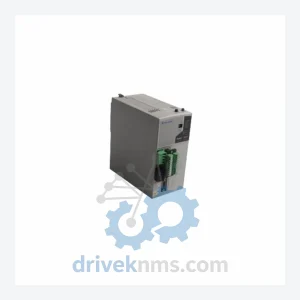
Bosch KM3300 Modules KM 3300-T 054915-103 KM3300
Bosch KM 3300-T 054915-103 KM3300 is listed for 3300 RFQ review. Confirm quantity, condition and destination before quotation.
RFQ-ready industrial model
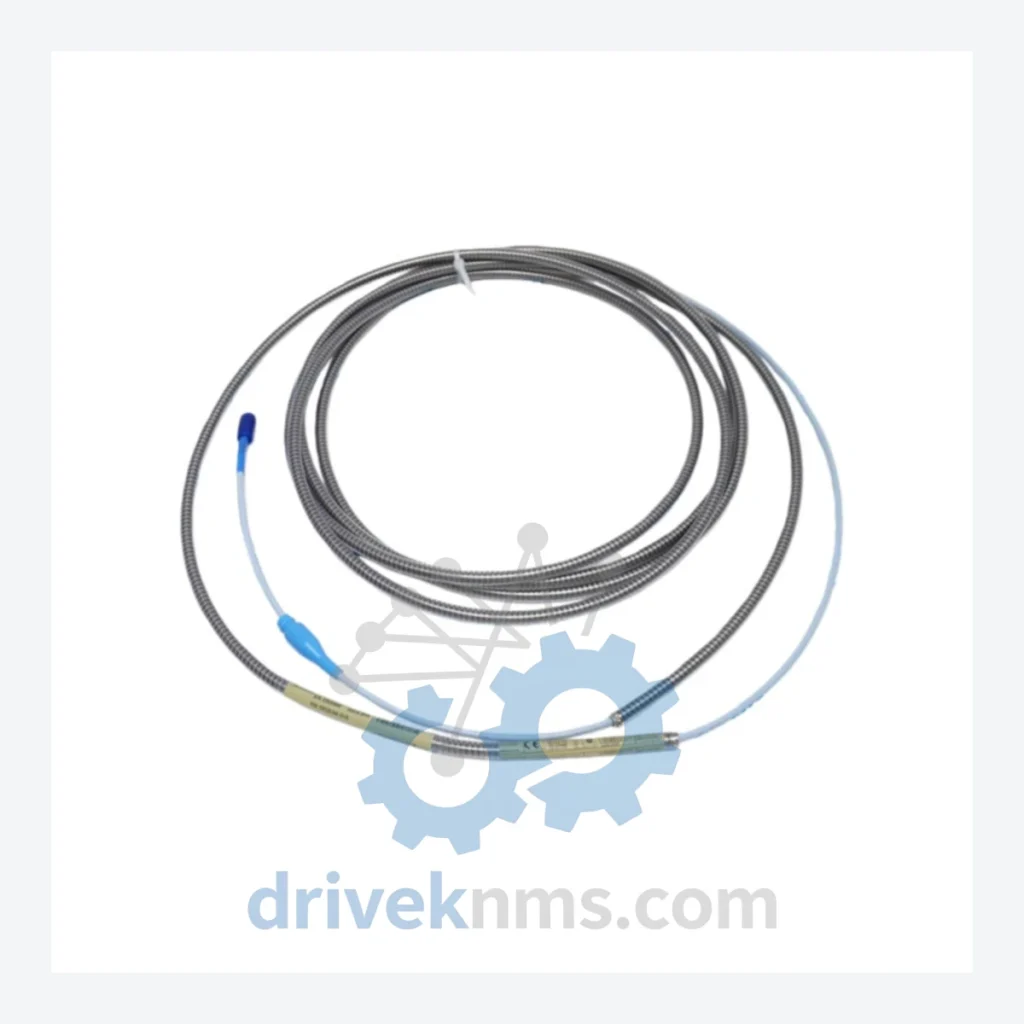
Model: 330130-045-13-CN
Product Overview
Commercial availability is handled through direct RFQ, model verification and export-oriented follow-up rather than public cart checkout.
Datasheet Preview
Use attached product manuals when available. If the manual is not public yet, request the full file directly through RFQ.
Commercial Path
Product pages on DRIVEKNMS are designed to verify model, brand and series first, then move the buyer into one clean quotation path.
Technical Dossier
RFQ support for obsolete parts: Send the model number, required quantity and destination so DriveKNMS can confirm sourcing options before quotation.
| Parameter | Detail |
|---|---|
| Part Number | 330130-045-13-CN |
| Manufacturer | Bently Nevada (Baker Hughes) |
| Series | 3300 Series Machinery Protection System |
| Component Type | Standard Extension Cable |
| Cable Length | 45 ft (13.7 m) — encoded in part number suffix |
| Connector Standard | CN (Coaxial, standard termination) |
| Compatible Transducers | Bently Nevada 3300 Series proximity probes |
| Compatible Monitors | Bently Nevada 3300 Series, 3500 Series (with appropriate driver) |
| Discontinuation Status | Obsolete — no longer manufactured or supported by OEM |
| Country of Origin | United States |
Note: Electrical parameters such as capacitance per foot and characteristic impedance are system-matched values. DriveKNMS does not publish unverified specifications. Contact us for certified datasheet documentation.
The Bently Nevada 3300 Series was the industry standard for eddy-current proximity measurement in rotating machinery protection for decades. Thousands of installations across petrochemical plants, power generation facilities, and heavy industrial sites worldwide still depend on this architecture. The 330130-045-13-CN extension cable is the signal-carrying link between the proximity probe and the monitor — a component that operates under continuous mechanical and thermal stress in field environments.
When this cable degrades or fails, the monitor loses its measurement signal. In a machinery protection context, that means either a spurious trip — shutting down a critical asset unnecessarily — or, worse, a masked fault condition where the protection system is no longer functioning as designed. Neither outcome is acceptable in a facility where a single unplanned shutdown of a large compressor or turbine train can cost more than the entire annual maintenance budget for that asset.
How to extend your automation asset life by 5–10 years without a full system upgrade:
Obsolete cable assemblies sourced from the secondary market carry inherent risk if the supplier does not apply a structured inspection protocol. DriveKNMS applies a 5-step QA process to every 330130-045-13-CN unit before it leaves our facility:
Step 1 — Visual and Mechanical Inspection: Full external examination of the cable jacket, connector bodies, and strain relief points. Any unit showing jacket cracking, connector deformation, or evidence of field repair is rejected.
Step 2 — Connector Pin and Coaxial Integrity Check: Center conductor continuity and shield continuity are verified. Pin corrosion — a common failure mode in cables stored in humid environments — is assessed under magnification. Corroded units are not reconditioned and sold; they are scrapped.
Step 3 — Insulation Resistance Verification: Dielectric integrity between center conductor and shield is tested to confirm the cable has not absorbed moisture or suffered insulation breakdown during storage.
Step 4 — Connector Mating Verification: Each connector is test-mated with a reference adapter to confirm proper engagement, locking, and signal path integrity.
Step 5 — Packaging and Traceability: Units are sealed in anti-static, moisture-barrier packaging with a unique inspection record. Lot traceability is maintained for all units shipped.
The 330130-045-13-CN is a direct, drop-in replacement for the original OEM cable in any 3300 Series installation. There is no firmware to update, no configuration parameter to adjust, and no engineering re-qualification required at the system level. The cable connects to the existing proximity probe and monitor using the original connector interfaces. Signal path characteristics are preserved. The protection system resumes normal operation without any modification to the monitor configuration or alarm setpoints.
This matters because the alternative — substituting a non-OEM cable assembly or attempting to adapt a different part number — introduces measurement uncertainty into a safety-critical system. In machinery protection, measurement uncertainty is not an acceptable operating condition. The correct part, properly inspected, is the only defensible maintenance decision.
For facilities managing multiple Bently Nevada 3300 installations, DriveKNMS can discuss volume procurement arrangements and long-term supply agreements that provide price certainty and guaranteed availability over a defined period.
Q: How do I know the unit I receive is genuine Bently Nevada and not a counterfeit?
A: All units in our inventory are sourced through documented secondary-market channels. We provide inspection records and, where available, original OEM packaging documentation. If you require additional authentication, we can discuss third-party verification options prior to shipment.
Q: Should I buy more than one unit?
A: For any installation where this cable is a single point of failure in a critical machinery protection loop, maintaining a minimum of two spare units on-site is standard practice. Given the diminishing secondary-market supply, purchasing a 2–3 year buffer now is a lower-cost decision than sourcing under emergency conditions later.
Q: Can this cable be used with Bently Nevada 3500 Series monitors?
A: Compatibility depends on the specific 3500 Series driver card and transducer configuration in use. Contact our technical team with your full system configuration before ordering.
Continue The Model Path
Move from this exact model into the matching system hub, brand archive, model-family archive or lifecycle sourcing route before sending a final RFQ list.
Related Paths
Bosch KM 3300-T 054915-103 KM3300 is listed for 3300 RFQ review. Confirm quantity, condition and destination before quotation.
ProSoft Technology 3300-MBP is listed for 3300 RFQ review. Confirm quantity, condition and destination before quotation.
Fanuc A06B-6400-H102 A20B-3300-0381 is listed for 3300 RFQ review. Confirm quantity, condition and destination before quotation.