
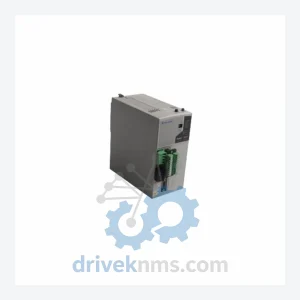
Bosch KM3300 Modules KM 3300-T 054915-103 KM3300
Bosch KM 3300-T 054915-103 KM3300 is listed for 3300 RFQ review. Confirm quantity, condition and destination before quotation.
RFQ-ready industrial model
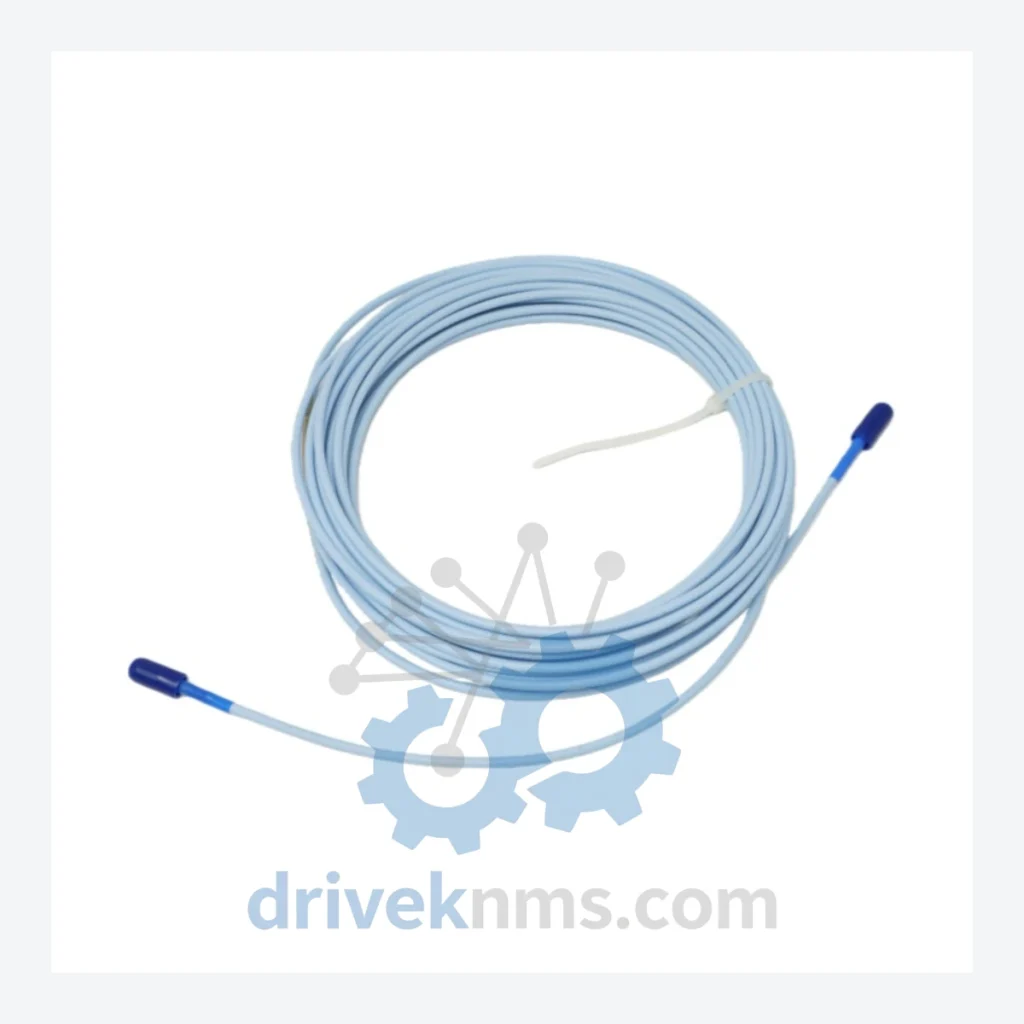
Model: 330130-080-11-00
Product Overview
Commercial availability is handled through direct RFQ, model verification and export-oriented follow-up rather than public cart checkout.
Datasheet Preview
Use attached product manuals when available. If the manual is not public yet, request the full file directly through RFQ.
Commercial Path
Product pages on DRIVEKNMS are designed to verify model, brand and series first, then move the buyer into one clean quotation path.
Technical Dossier
RFQ support for obsolete parts: Send the model number, required quantity and destination so DriveKNMS can confirm sourcing options before quotation.
| Parameter | Detail |
|---|---|
| Part Number | 330130-080-11-00 |
| Manufacturer | Bently Nevada (Baker Hughes) |
| Series | 3300 Proximity System |
| Description | Standard Extension Cable |
| Cable Length | 8.0 m (26.2 ft) |
| Termination | Standard (non-armored) |
| Discontinuation Status | Obsolete – No longer in active production by OEM |
| Compatible Transducers | 3300 Series 8 mm proximity transducers |
| Compatible Drivers | 3300 XL 8 mm Proximity Transducer System drivers |
| Country of Origin | United States |
Note: Electrical parameters not independently verified by DriveKNMS are intentionally omitted. All specifications above are drawn from publicly available Bently Nevada documentation. Do not substitute with non-OEM cables in safety-critical vibration monitoring loops without engineering review.
The Bently Nevada 3300 Series proximity system has been the industry standard for shaft vibration, axial position, and differential expansion monitoring on critical rotating equipment for decades. The extension cable is not a passive conductor — it is a precision-matched component. The 3300 system operates on a three-part transducer chain: probe, extension cable, and driver. Each element is tuned to the others. Substituting a non-matched cable alters the system's sensitivity factor and gap voltage calibration, which directly affects trip and alarm setpoints. In a machinery protection context, this is not an acceptable risk.
Facilities that have proactively stocked 2–3 spare extension cables per critical machine train report avoiding unplanned outages that would otherwise have triggered emergency procurement at 3–5× standard pricing, or worse, forced a premature system upgrade during a production campaign.
For plant managers facing capital budget pressure and system retirement timelines, the calculus is straightforward. A full 3300-to-3500 Series migration on a four-machine train typically requires $800,000 to $1,500,000 in hardware, engineering, and commissioning costs, plus a planned outage window. Deferring that migration by five years — while maintaining the existing system with genuine spare parts — frees that capital for higher-priority projects and allows the migration to be planned on the facility's schedule rather than forced by a component failure.
DriveKNMS applies a 5-step quality process to all obsolete and legacy spare parts before dispatch review:
Parts that do not pass all five steps are not offered for sale.
Q: How is condition confirmed before quotation?
A: Available condition, photos, test records and documentation are checked according to the requested model and sourcing channel before a formal RFQ response.
How do I confirm the part is genuine OEM and not a counterfeit?
All parts sourced by DriveKNMS are inspected for OEM markings, label integrity, and part number consistency. We do not sell parts with removed, altered, or unverifiable markings. Upon request, we can provide photographs of the physical unit prior to shipment.
Q: Can you support multi-unit or repeat RFQ requests?
A: Yes. Send the model list, target quantity and destination so DRIVEKNMS can review sourcing options and quote the requirement as a project RFQ.
Continue The Model Path
Move from this exact model into the matching system hub, brand archive, model-family archive or lifecycle sourcing route before sending a final RFQ list.
Related Paths
Bosch KM 3300-T 054915-103 KM3300 is listed for 3300 RFQ review. Confirm quantity, condition and destination before quotation.
ProSoft Technology 3300-MBP is listed for 3300 RFQ review. Confirm quantity, condition and destination before quotation.
Fanuc A06B-6400-H102 A20B-3300-0381 is listed for 3300 RFQ review. Confirm quantity, condition and destination before quotation.