
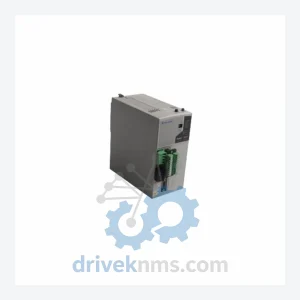
Bosch KM3300 Modules KM 3300-T 054915-103 KM3300
Bosch KM 3300-T 054915-103 KM3300 is listed for 3300 RFQ review. Confirm quantity, condition and destination before quotation.
RFQ-ready industrial model
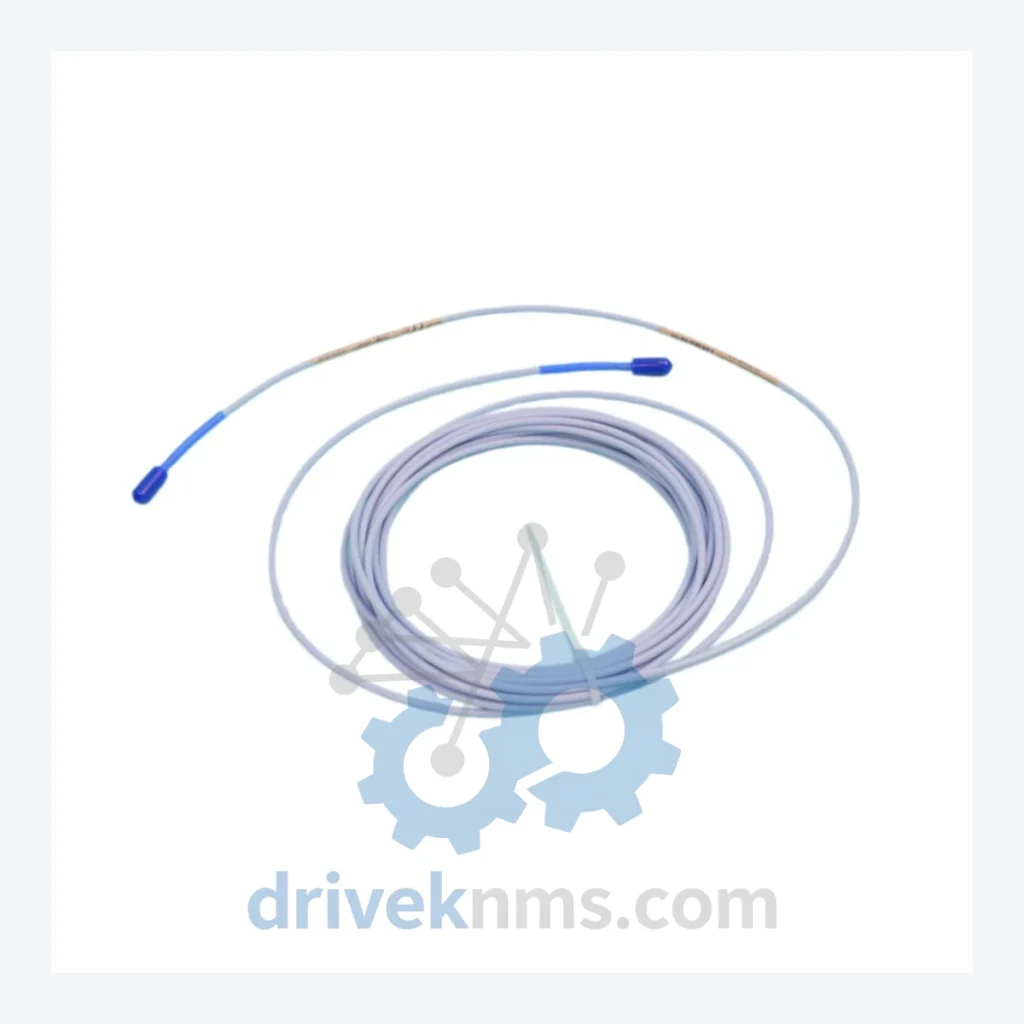
Model: 330190-085-01-05
Product Overview
Commercial availability is handled through direct RFQ, model verification and export-oriented follow-up rather than public cart checkout.
Datasheet Preview
Use attached product manuals when available. If the manual is not public yet, request the full file directly through RFQ.
Commercial Path
Product pages on DRIVEKNMS are designed to verify model, brand and series first, then move the buyer into one clean quotation path.
Technical Dossier
RFQ support for obsolete parts: Send the model number, required quantity and destination so DriveKNMS can confirm sourcing options before quotation.
| Part Number | 330190-085-01-05 |
| Manufacturer | Bently Nevada (Baker Hughes) |
| Series | 3300 Series Vibration Monitoring System |
| Component Type | Extension Cable |
| Country of Origin | United States |
| Production Status | Discontinued / Obsolete – No longer manufactured |
| Typical System Compatibility | Bently Nevada 3300 Series proximity transducer systems; commonly paired with 3300 XL 8mm and 11mm proximity probes and drivers |
| Application | Signal extension between proximity probe and Proximitor sensor in rotating machinery vibration and position monitoring |
Note: Electrical parameters beyond those listed above are not independently verified by DriveKNMS. Buyers are advised to cross-reference against original Bently Nevada documentation for their specific installation.
The Bently Nevada 3300 Series has been the backbone of rotating machinery protection in power generation, oil & gas, and petrochemical facilities for decades. Its proximity transducer systems — probes, drivers, and extension cables working as a matched set — are engineered to tight tolerances. The extension cable is not a generic component. It carries the low-level signal from the probe tip to the Proximitor sensor with minimal noise interference, and its impedance characteristics are matched to the system's calibration. Substituting an unqualified cable introduces measurement error that can mask real shaft vibration events or trigger false trips.
Plant managers facing pressure to retire legacy monitoring infrastructure often underestimate the leverage that targeted spare parts procurement provides. The following approach has been applied successfully across facilities running Bently Nevada 3300 Series and comparable legacy platforms such as Emerson CSI, Metrix, and older Proximitor-based systems:
1. Failure Mode Mapping: Identify the three to five components in your monitoring loop that have no modern equivalent and whose failure would force a system-level decision. Extension cables, Proximitor sensors, and I/O modules typically top this list. These are your procurement priorities.
4. Vendor Qualification: Source only from suppliers who can provide traceability documentation and who perform incoming inspection. Counterfeit and substandard parts are a documented risk in the obsolete parts market. A failed cable in a turbine protection loop is not a maintenance event — it is a safety event.
5. Engineering Change Freeze: Resist the pressure to introduce incremental hardware changes to legacy systems. Each unauthorized substitution creates a new calibration variable and complicates future troubleshooting. Maintain the original system configuration for as long as genuine spare parts are available.
Applied consistently, this strategy has allowed facilities to operate legacy Bently Nevada 3300 Series installations reliably for 8–12 years beyond the manufacturer's end-of-support date, at a fraction of the cost of a forced migration.
DriveKNMS applies a 5-step incoming inspection protocol to all obsolete and legacy parts before they are offered for sale:
Step 1 – Visual and Mechanical Inspection: Connector bodies, locking mechanisms, and cable jacket are examined for physical damage, deformation, and signs of prior field abuse.
Step 2 – Pin and Contact Integrity Check: All connector pins are inspected under magnification for corrosion, fretting wear, and mechanical deformation. Corroded contacts are a primary failure mode in field-returned cable assemblies.
Step 3 – Insulation Resistance Verification: Cable insulation is tested to confirm it meets the isolation requirements for low-level signal transmission in proximity transducer applications.
Step 4 – Continuity and Shield Integrity: Full continuity is verified across all conductors. Shield continuity and grounding integrity are confirmed, as shield breaks are a common source of noise in proximity probe circuits.
Step 5 – Documentation and Traceability: Each unit is logged with its inspection record. Where original manufacturer labeling is present, it is preserved and documented.
Parts that do not pass all five steps are not offered for sale. There are no exceptions.
Drop-in Replacement: The 330190-085-01-05 is a direct replacement for the same part number in any 3300 Series installation. No recalibration of the Proximitor sensor is required when replacing a like-for-like cable of the same length designation. No software changes. No loop retuning.
No Engineering Rework: Unlike a system migration, a cable swap is a maintenance task, not a project. It can be executed within a planned outage window without involving controls engineers or DCS vendors.
Cost Containment: The cost of a single genuine spare cable is orders of magnitude below the engineering and commissioning cost of migrating even one monitoring channel to a new platform. The economics of maintaining legacy hardware with genuine spare parts are straightforward.
System Integrity Preserved: Using the correct OEM part number maintains the calibrated performance of the proximity transducer system. The alternative — field-fabricated or non-OEM cables — introduces variables that are difficult to quantify and harder to defend in a post-incident review.
How do I confirm the part is new or quality-refurbished?
Each unit is accompanied by an inspection record from our 5-step QA process. We will disclose the condition grade — new surplus, tested serviceable, or refurbished — at the time of quotation. We do not sell parts as new if they are not new.
Can you source other Bently Nevada 3300 Series components?
Yes. DriveKNMS specializes in obsolete and hard-to-find industrial automation components. Contact us with your full bill of materials for legacy system support.
Continue The Model Path
Move from this exact model into the matching system hub, brand archive, model-family archive or lifecycle sourcing route before sending a final RFQ list.
Related Paths
Bosch KM 3300-T 054915-103 KM3300 is listed for 3300 RFQ review. Confirm quantity, condition and destination before quotation.
ProSoft Technology 3300-MBP is listed for 3300 RFQ review. Confirm quantity, condition and destination before quotation.
Fanuc A06B-6400-H102 A20B-3300-0381 is listed for 3300 RFQ review. Confirm quantity, condition and destination before quotation.