
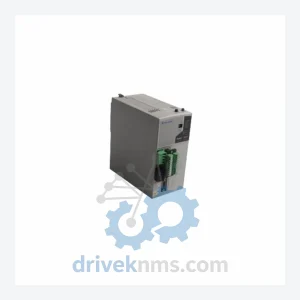
Bosch KM3300 Modules KM 3300-T 054915-103 KM3300
Bosch KM 3300-T 054915-103 KM3300 is listed for 3300 RFQ review. Confirm quantity, condition and destination before quotation.
RFQ-ready industrial model
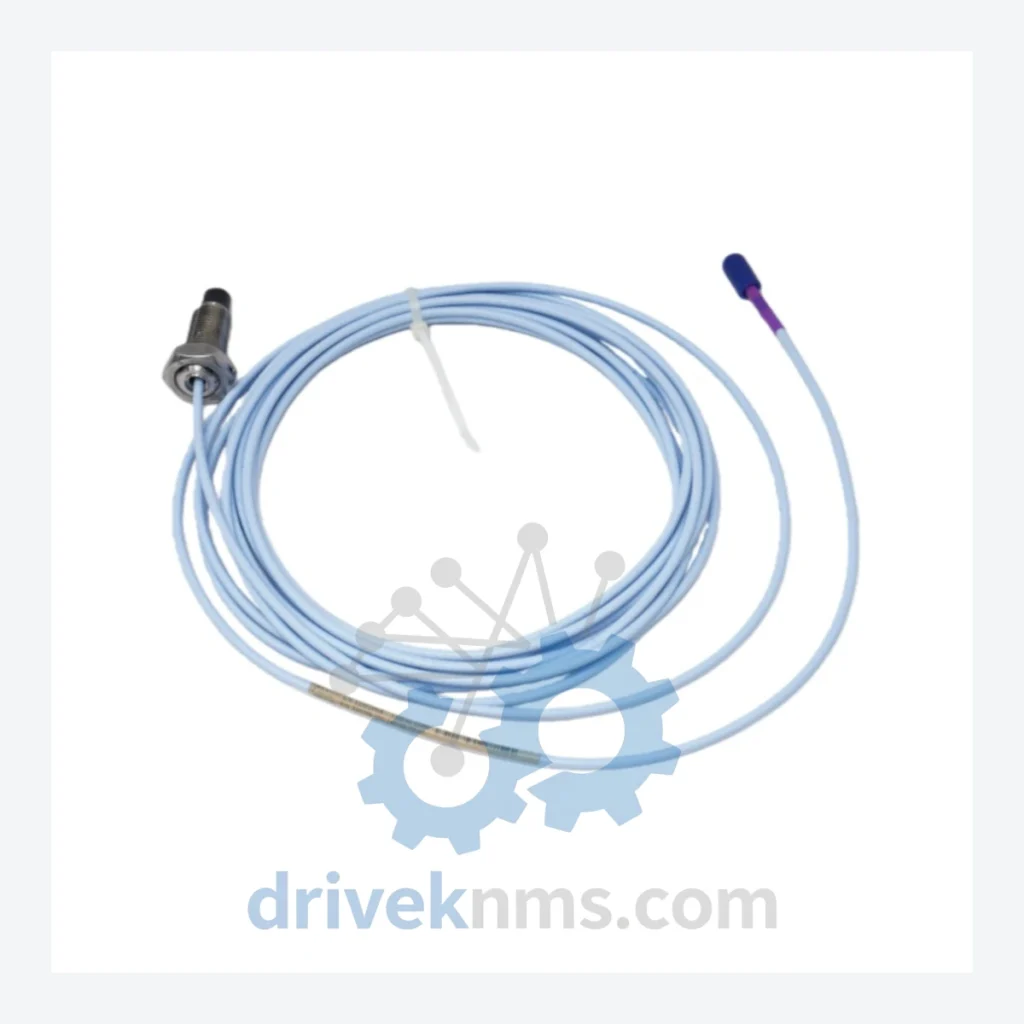
Model: 330709-000-230-10-02-00
Product Overview
Commercial availability is handled through direct RFQ, model verification and export-oriented follow-up rather than public cart checkout.
Datasheet Preview
Use attached product manuals when available. If the manual is not public yet, request the full file directly through RFQ.
Commercial Path
Product pages on DRIVEKNMS are designed to verify model, brand and series first, then move the buyer into one clean quotation path.
Technical Dossier
DriveKNMS holds RFQ-reviewed sourcing status of the Bently Nevada 330709-000-230-10-02-00, a metric proximity probe from the discontinued 3300 Series. This is not a substitute or cross-reference — it is the original part number, sourced through authorized industrial channels and subject to our in-house QA protocol before dispatch review.
RFQ support for obsolete parts: Send the model number, required quantity and destination so DriveKNMS can confirm sourcing options before quotation.
| Parameter | Detail |
|---|---|
| Part Number | 330709-000-230-10-02-00 |
| Brand | Bently Nevada |
| Series | 3300 Series (Discontinued) |
| Type | Proximity Probe |
| Measurement System | Metric |
| Discontinuation Status | Obsolete – No longer manufactured by OEM |
| Compatible Systems | Bently Nevada 3300 XL Monitor System, 3300/16 Monitor, legacy TDI-based vibration monitoring racks |
| Typical Application | Radial vibration, axial position, and differential expansion measurement on rotating machinery |
| Country of Origin | United States |
Note: Electrical parameters such as sensitivity (mV/mil), gap voltage range, and cable length variant are encoded in the full part number suffix. The suffix -230-10-02-00 denotes a specific cable length and connector configuration. Do not substitute with a different suffix without consulting your system integrator.
The Bently Nevada 3300 Series was the industry standard for machinery protection monitoring through the 1990s and into the 2000s. Many facilities that installed these systems during plant construction have not — and in many cases cannot — justify a full system replacement. The monitors, proximitors, and probes are integrated into safety instrumented systems, DCS architectures, and alarm management frameworks that took years to tune and validate.
The proximity probe is the field element most exposed to mechanical wear, thermal cycling, and process contamination. It is also the component most likely to fail first. When the OEM discontinues a probe model, facilities face a hard choice: source the original part through the secondary market, or begin an engineering change that touches every layer of the protection system.
For plant managers operating under capital expenditure constraints, the secondary market is not a compromise — it is a deliberate asset protection strategy. A verified original-part replacement extends the operational life of the entire monitoring loop without triggering a management of change (MOC) process, without revalidating alarm setpoints, and without retraining operators on a new interface. The cost differential between sourcing one probe and initiating a system migration is measured in orders of magnitude.
Facilities that maintain a strategic inventory of critical obsolete probes — typically a 2 to 3 unit buffer per monitored machine — report the ability to sustain legacy Bently Nevada systems for 5 to 10 years beyond the OEM's end-of-life date. This is not an improvised workaround. It is a documented maintenance strategy used by major operators in the refining and power generation sectors.
Obsolete parts sourced from the secondary market carry inherent risk if not properly evaluated. DriveKNMS applies a 5-step QA protocol to every proximity probe before dispatch review:
Step 1 – Visual and Mechanical Inspection: The probe tip, cable jacket, and connector body are examined for physical damage, corrosion, and deformation. Any unit showing pin corrosion or jacket cracking is rejected at this stage.
Step 2 – Electrolytic Capacitor Assessment: Internal passive components, including any capacitors in the probe circuit, are evaluated for signs of aging, leakage, or ESR drift. Units with degraded passive components are not released for sale.
Step 3 – Firmware and Configuration Verification (where applicable): For smart probes or those with embedded identification data, firmware version and configuration registers are verified against OEM documentation.
Step 4 – Electrical Continuity and Impedance Check: Cable continuity, shield integrity, and connector impedance are verified. Open circuits or intermittent connections are grounds for rejection.
Step 5 – Packaging and ESD Protection: Approved units are cleaned, individually bagged in anti-static packaging, and labeled with the verified part number and inspection date before dispatch review.
The 330709-000-230-10-02-00 is a direct, drop-in replacement for the same part number in any Bently Nevada 3300 Series installation. No firmware changes, no recalibration of the proximitor, and no modification to monitor configuration files are required. The probe installs into the existing mounting hardware and connects to the existing extension cable without adapter hardware.
This matters operationally. A maintenance team can complete the replacement during a planned outage window without involving a controls engineer or a system integrator. There is no engineering change order, no updated P&ID revision, and no revalidation of the protection loop. The machine returns to service on the original alarm and trip setpoints, with the original system architecture intact.
For facilities managing deferred capital budgets, this represents a concrete, low-cost path to sustaining machinery protection without committing to a system upgrade project.
Can you source other Bently Nevada 3300 Series components?
Yes. DriveKNMS specializes in the full 3300 Series ecosystem, including proximitors, extension cables, monitors, and power supplies. Contact us with your complete bill of materials for a consolidated quotation.
Continue The Model Path
Move from this exact model into the matching system hub, brand archive, model-family archive or lifecycle sourcing route before sending a final RFQ list.
Related Paths
Bosch KM 3300-T 054915-103 KM3300 is listed for 3300 RFQ review. Confirm quantity, condition and destination before quotation.
ProSoft Technology 3300-MBP is listed for 3300 RFQ review. Confirm quantity, condition and destination before quotation.
Fanuc A06B-6400-H102 A20B-3300-0381 is listed for 3300 RFQ review. Confirm quantity, condition and destination before quotation.