
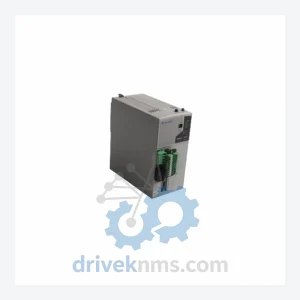
Bosch KM3300 Modules KM 3300-T 054915-103 KM3300
Bosch KM 3300-T 054915-103 KM3300 is listed for 3300 RFQ review. Confirm quantity, condition and destination before quotation.
RFQ-ready industrial model
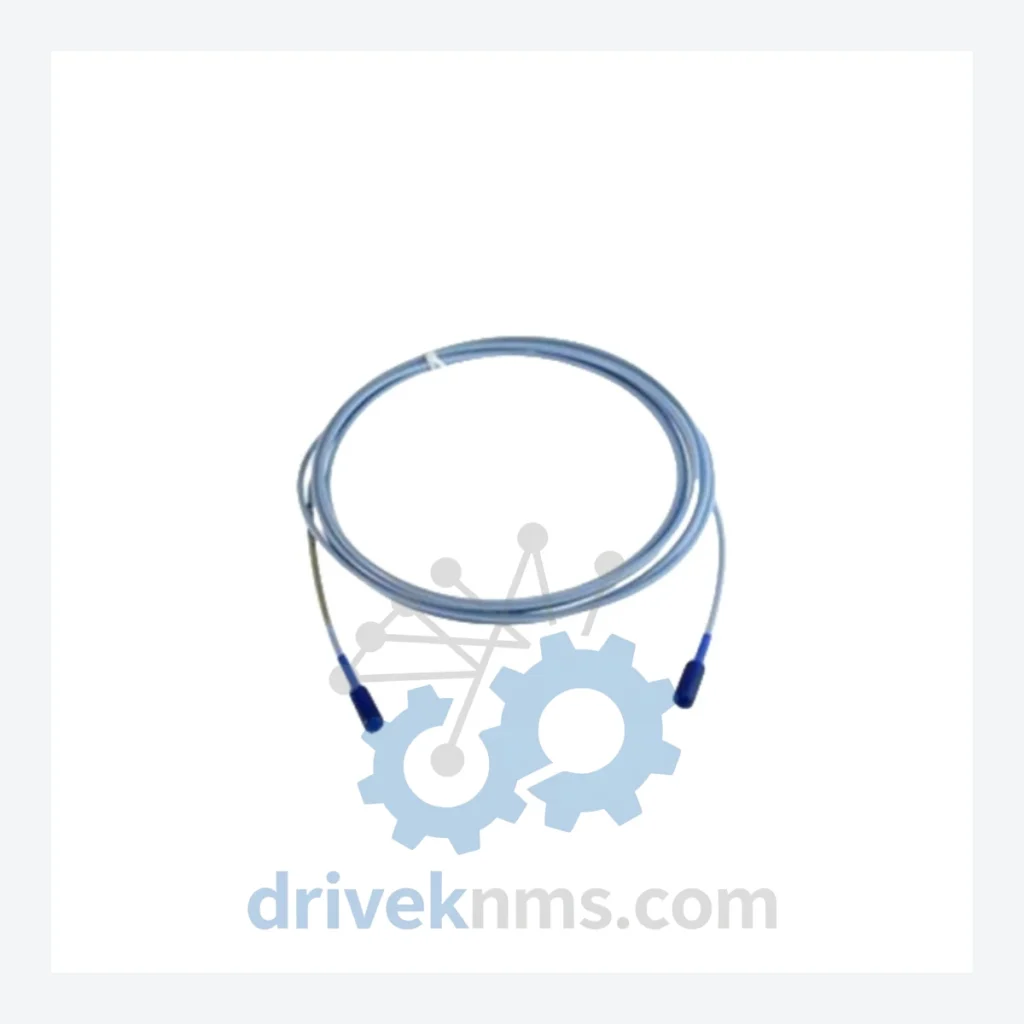
Model: 330909-00-50-10-01-05
Product Overview
Commercial availability is handled through direct RFQ, model verification and export-oriented follow-up rather than public cart checkout.
Datasheet Preview
Use attached product manuals when available. If the manual is not public yet, request the full file directly through RFQ.
Commercial Path
Product pages on DRIVEKNMS are designed to verify model, brand and series first, then move the buyer into one clean quotation path.
Technical Dossier
When a proximity probe fails in a Bently Nevada 3300 NSv vibration monitoring system, the consequences extend far beyond a single sensor replacement. The 3300 NSv series has been discontinued by Baker Hughes (Bently Nevada), and the broader ecosystem of compatible monitors, drivers, and extension cables is no longer in active production. A single failed probe in a critical rotating machinery protection loop — turbines, compressors, pumps — can trigger forced shutdowns, regulatory non-compliance, and, in the worst case, a capital expenditure decision that runs into the millions: full system migration to a current-generation platform such as the 3500 series, with all associated re-engineering, re-cabling, re-commissioning, and revalidation costs.
DriveKNMS reviews sourcing status and documentation for this model during RFQ handling before quotation.
RFQ support for obsolete parts: Send the model number, required quantity and destination so DriveKNMS can confirm sourcing options before quotation.
Note: Electrical parameters such as sensitivity (mV/mil), gap voltage range, and frequency response are system-dependent and must be verified against the specific 3300 NSv driver/monitor pairing in your installation. DriveKNMS does not publish unverified specifications.
The Bently Nevada 3300 NSv proximity transducer system was a standard in rotating machinery protection for decades. It is embedded in the vibration monitoring infrastructure of refineries, power generation facilities, petrochemical plants, and heavy industrial operations worldwide. The system's discontinuation does not eliminate the installed base — it transfers the maintenance burden entirely to the secondary market.
The 330909-00-50-10-01-05 probe is a matched component within the 3-component transducer system (probe, extension cable, driver). Substituting a non-matched probe risks calibration drift, false trip events, and — critically — missed machinery fault detection. For plant managers operating under API 670 machinery protection standards, this is not an acceptable risk. The only compliant path is a like-for-like replacement with the original part number.
The 3300 NSv system is commonly found integrated with legacy distributed control and safety systems including Honeywell TDC 3000, Foxboro I/A Series, and early-generation ABB platforms. In these environments, the vibration monitoring layer is often the last subsystem to be modernized, precisely because the cost and risk of touching a running protection system are prohibitive. Maintaining the original probe hardware is the lowest-risk, lowest-cost strategy available.
The decision to extend the operational life of a legacy rotating machinery protection system rather than replace it is a capital allocation decision, not a technical one. The technical path is well-established. What follows is a framework for plant managers and reliability engineers who need to defend that decision internally.
1. Conduct a full 3300 NSv component audit. Map every probe, extension cable, and driver in the system. Identify part numbers, installation dates, and current condition. This audit is the foundation of a defensible maintenance plan.
2. Establish a minimum strategic spare holding. For each unique probe part number in the system, a minimum of two spare units per critical machine train is a reasonable baseline. For facilities with multiple identical trains, consolidate sparing across the fleet.
3. Source from verified secondary market suppliers before supply contracts further. The window for sourcing genuine, traceable 3300 NSv components at reasonable cost is not indefinite. Secondary market inventory is consumed and not replenished. Procurement decisions deferred by 12–24 months frequently result in significantly higher unit costs or outright unavailability.
5. Document the extension strategy for capital planning purposes. A written asset life extension plan, supported by a verified spare parts inventory, provides the justification needed to defer a system replacement capital project by 5–10 years. The cost differential between a strategic sparing program and a full 3500-series migration is substantial.
DriveKNMS applies a structured 5-step quality process to all discontinued components before dispatch review.
Step 1 – Physical Inspection: Full external inspection for cable jacket integrity, connector condition, and probe tip condition. Units with visible mechanical damage are rejected.
Step 2 – Electrolytic Capacitor Assessment: Where applicable to associated driver/monitor components, electrolytic capacitors are assessed for age-related degradation. Bulging, leakage, or elevated ESR results in component rejection or recapping before dispatch review.
Step 3 – Connector and Pin Corrosion Check: All electrical terminations are inspected under magnification for oxidation, pin corrosion, and contact integrity. Corroded connectors are cleaned or the unit is rejected.
Step 4 – Firmware and Configuration Verification: For programmable components in the 3300 NSv system, firmware versions are verified against known-good references where documentation is available.
Q: How is condition confirmed before quotation?
A: Available condition, photos, test records and documentation are checked according to the requested model and sourcing channel before a formal RFQ response.
Q: How do I know the unit is genuine and not counterfeit?
A: All Bently Nevada components sourced by DriveKNMS are inspected for authenticity markers including labeling, construction, and where possible, traceability documentation. We do not knowingly source or sell counterfeit components. Customers with specific traceability requirements should state them at the time of inquiry.
Q: Can you support multi-unit or repeat RFQ requests?
A: Yes. Send the model list, target quantity and destination so DRIVEKNMS can review sourcing options and quote the requirement as a project RFQ.
Q: Can you source other 3300 NSv components?
A: DriveKNMS actively sources 3300 NSv probes, extension cables, and drivers across multiple part number variants. If you have a requirement beyond this specific part number, submit your full bill of materials for a consolidated quotation.
Continue The Model Path
Move from this exact model into the matching system hub, brand archive, model-family archive or lifecycle sourcing route before sending a final RFQ list.
Related Paths
Bosch KM 3300-T 054915-103 KM3300 is listed for 3300 RFQ review. Confirm quantity, condition and destination before quotation.
ProSoft Technology 3300-MBP is listed for 3300 RFQ review. Confirm quantity, condition and destination before quotation.
Fanuc A06B-6400-H102 A20B-3300-0381 is listed for 3300 RFQ review. Confirm quantity, condition and destination before quotation.