
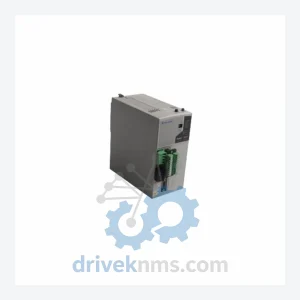
Bosch KM3300 Modules KM 3300-T 054915-103 KM3300
Bosch KM 3300-T 054915-103 KM3300 is listed for 3300 RFQ review. Confirm quantity, condition and destination before quotation.
RFQ-ready industrial model
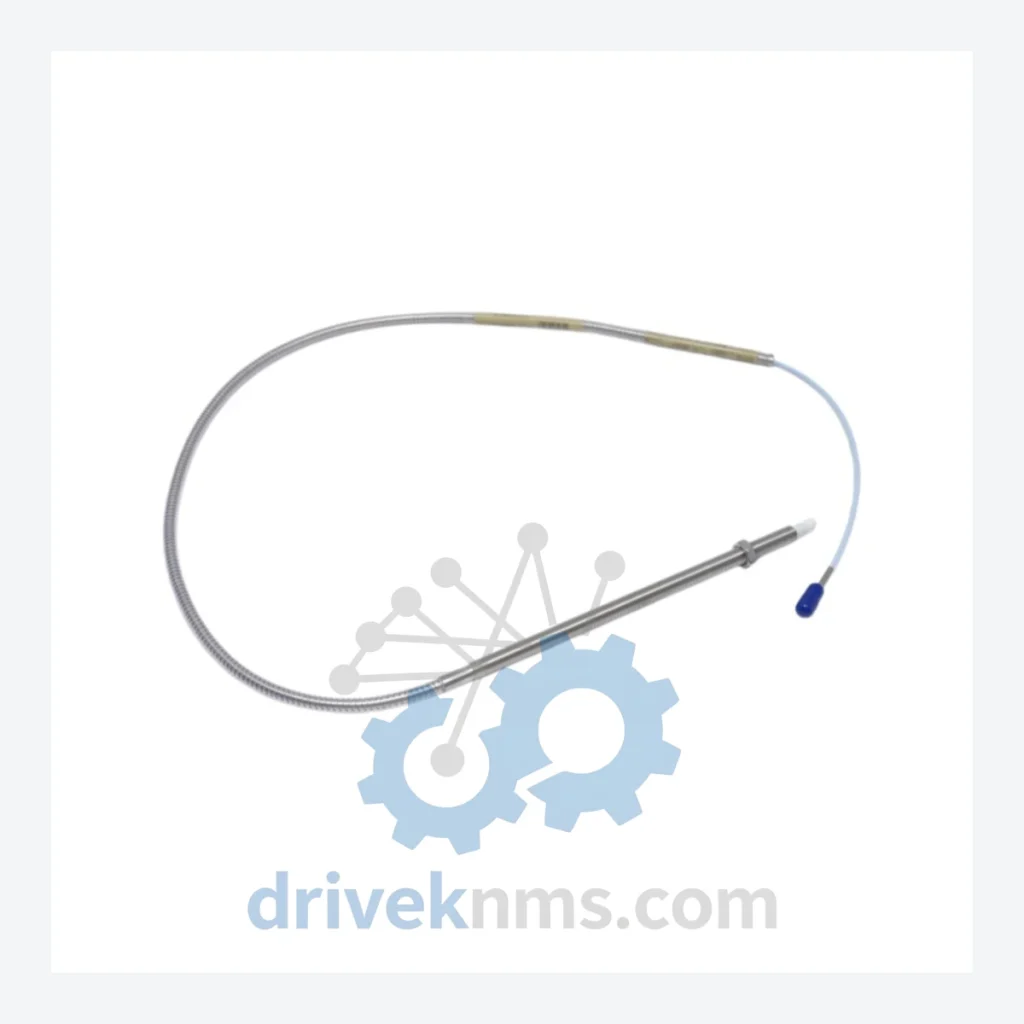
Model: 330909-10-99-10-11-CN
Product Overview
Commercial availability is handled through direct RFQ, model verification and export-oriented follow-up rather than public cart checkout.
Datasheet Preview
Use attached product manuals when available. If the manual is not public yet, request the full file directly through RFQ.
Commercial Path
Product pages on DRIVEKNMS are designed to verify model, brand and series first, then move the buyer into one clean quotation path.
Technical Dossier
RFQ support for obsolete parts: Send the model number, required quantity and destination so DriveKNMS can confirm sourcing options before quotation.
Electrical parameters such as sensitivity, gap voltage, and frequency response are system-dependent and must be verified against your specific driver/monitor configuration. DriveKNMS does not publish unverified specifications.
The Bently Nevada 3300 NSv proximity probe system was the industry standard for shaft vibration and axial position monitoring on steam turbines, compressors, pumps, and generators throughout the 1990s and 2000s. Thousands of these systems remain in active service at refineries, power plants, and petrochemical facilities worldwide — not because operators are unaware of the discontinuation, but because the cost and risk of replacing a functioning protection system far outweigh the cost of maintaining it with genuine spare parts.
The 330909-10-99-10-11-CN is a field-replaceable probe designed for direct installation into existing 3300 Series probe holders. When this component fails, the monitoring channel goes offline. In API 670-compliant facilities, operating a critical machine with a failed vibration channel is not permissible. The result is either an unplanned shutdown or a bypass — both of which carry significant operational and safety consequences.
Plants that have adopted a structured spare parts strategy for their 3300 Series infrastructure consistently report the ability to defer system replacement by 5 to 10 years. The financial logic is direct: a verified spare probe costs a fraction of one percent of the capital expenditure required to replace the monitoring system. Engineering hours alone to reconfigure a 3500 Series replacement — including loop checks, setpoint re-entry, and functional testing — routinely exceed 200 hours per machine train. For facilities managing multiple trains, that figure multiplies accordingly.
Q: How are RFQ terms confirmed?
A: Quantity, required condition, documentation needs, destination and sourcing route are confirmed during RFQ review before quotation.
DriveKNMS applies a structured 5-step inspection protocol to all obsolete proximity probes before dispatch review. This process was developed specifically to address the failure modes most commonly observed in long-stored or field-removed 3300 Series components.
Step 1 – Visual and Mechanical Inspection: The probe tip, cable jacket, and connector body are examined for physical damage, kinking, and connector pin integrity. Probes with compromised cable geometry are rejected, as cable damage directly affects the electromagnetic field characteristics of the sensor.
Step 3 – Coil Continuity Verification: The probe coil is tested for continuity and short-circuit conditions. An open or shorted coil renders the probe non-functional regardless of external appearance.
Step 4 – Cable Insulation Resistance Check: Insulation resistance between the signal conductor and the cable shield is measured. Degraded insulation introduces noise into the vibration signal and can cause false trips on the monitor.
Step 5 – Part Number and Label Verification: Physical markings are cross-referenced against the ordered specification to confirm the unit matches exactly. No substitutions are shipped without explicit customer approval.
Units that pass all five steps are packaged in anti-static, moisture-barrier packaging and shipped with a DriveKNMS inspection record.
The 330909-10-99-10-11-CN is a direct mechanical and electrical replacement for the original installed probe in 3300 NSv monitoring loops. No driver reconfiguration is required. No monitor setpoint changes are necessary. The replacement procedure is limited to physical removal of the failed probe, installation of the replacement unit, and verification of the static gap voltage at the driver output — a procedure that a qualified instrument technician can complete in under two hours.
This drop-in replacement characteristic is the core economic argument for maintaining a spare parts inventory rather than pursuing system modernization. Engineering reconfiguration costs for a 3500 Series migration are non-trivial. The 330909-10-99-10-11-CN eliminates that cost entirely for the duration of the existing system's service life, with no reprogramming and no expensive engineering rework.
Q: How do I confirm the unit is genuine and not a counterfeit?
A: All units sourced by DriveKNMS are traceable to documented supply chain origins. We do not source from anonymous brokers. Upon request, we can provide the inspection record and, where available, original packaging documentation. Customers are encouraged to verify part number markings and cable configuration against their existing installed units before installation.
Q: Should I purchase more than one unit?
A: For any machine train where this probe is installed on a critical monitoring channel, holding at least one verified spare on-site is standard reliability practice. Given the declining availability of 3300 NSv components in the secondary market, purchasing two units at the time of initial procurement is a defensible asset protection decision. The cost of a second unit is negligible relative to the cost of an unplanned shutdown while sourcing a replacement under time pressure.
Q: Can this probe be used with a Bently Nevada 3500 Series monitor?
A: Compatibility depends on the specific 3500 Series driver module installed. The 3300 NSv probe system operates at a different bias voltage than standard 3500 Series configurations. Consult your system documentation or contact DriveKNMS for application-specific guidance before ordering.
Continue The Model Path
Move from this exact model into the matching system hub, brand archive, model-family archive or lifecycle sourcing route before sending a final RFQ list.
Related Paths
Bosch KM 3300-T 054915-103 KM3300 is listed for 3300 RFQ review. Confirm quantity, condition and destination before quotation.
ProSoft Technology 3300-MBP is listed for 3300 RFQ review. Confirm quantity, condition and destination before quotation.
Fanuc A06B-6400-H102 A20B-3300-0381 is listed for 3300 RFQ review. Confirm quantity, condition and destination before quotation.