Technical Dossier
Product Details And Specifications
CEIA P2 Series Technical Notes
The Evolution of P2 Series Architecture
CEIA's P2 platform was introduced as a modular replacement architecture for earlier single-board detector controllers. The P2 mainboard (P2 MB) standardized the physical backplane interface, allowing CPU daughterboards and power modules to be swapped independently — a significant serviceability improvement over predecessor integrated-board designs. Early P2 configurations paired the mainboard with the 5000CPU, which provided basic frequency synthesis and analog phase detection. The 5500CPU generation introduced enhanced digital signal processing, improved multi-frequency operation, and expanded memory for product learn profiles. The 101VMEJ106-9001 interface board added VME-compatible I/O expansion, enabling integration with external PLC and SCADA systems via hardwired relay outputs. Power architecture evolved in parallel: the PW3-32/900 module addressed 32V DC rail requirements for coil driver circuits, while the PW3-45/900 and HTR variants introduced regulated 45V rails with thermal management for high-ambient-temperature installations. The POWER CUBE assembly consolidates these power modules into a single replaceable unit, reducing mean time to repair (MTTR) in field service scenarios. As of 2026, the P2 platform is in the mature/end-of-active-production phase; CEIA's current generation systems use updated controller architectures, but the P2 installed base remains extensive, and long-term maintenance support parts continue to be sourced through specialist distributors.
CEIA P2 Series Full Catalog & Functionalities (SKU List)
The following SKUs represent verified components within the CEIA P2 and associated control module ecosystem. Each entry reflects a discrete, field-replaceable unit (FRU) with a defined functional role within the detector control chain.
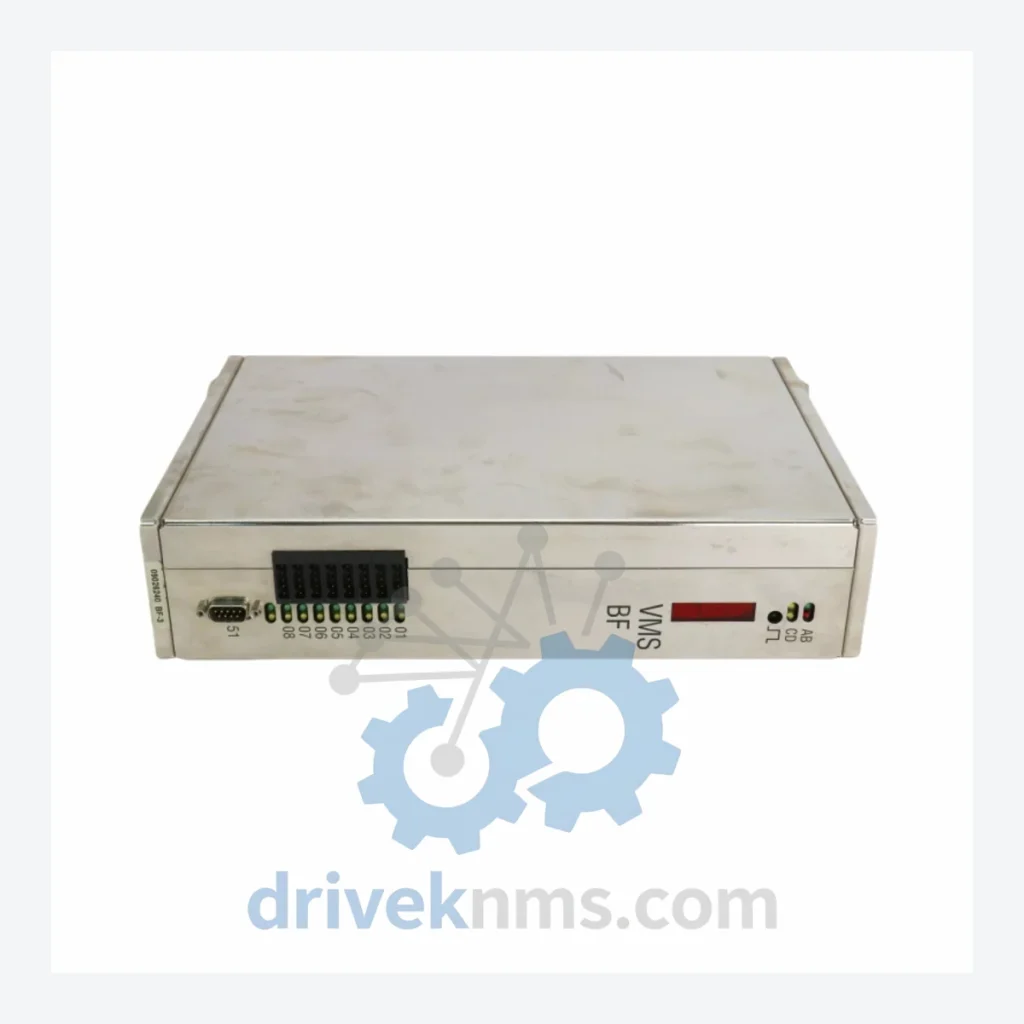
P2 MB, 5500CPU W/ 101VMEJ106-9001 810-800081-012 PW3-32/900 HTR PW3-45/900 POWER CUBE: Complete P2 mainboard assembly with 5500CPU, VME I/O board, dual power modules, and POWER CUBE housing — primary control unit for THS/21 and THS/MS21 series detectors.
P2 MB (5000CPU): P2 mainboard configured with first-generation 5000CPU; analog phase detection, single-frequency operation; legacy replacement for early THS series installations.
5500CPU: CPU daughterboard for P2 MB; digital signal processor with multi-frequency synthesis, expanded product memory, and enhanced phase discrimination algorithms.
5000CPU: First-generation CPU daughterboard; single-frequency analog detection; compatible with original P2 MB backplane; superseded by 5500CPU.
101VMEJ106-9001: VME-format I/O expansion board; provides hardwired relay outputs for reject actuator control and external PLC interface; mounts to P2 MB backplane.
810-800081-012: Interface/connector assembly board; bridges P2 MB to coil head wiring harness; includes signal conditioning for transmit/receive coil circuits.
PW3-32/900: 32V DC regulated power module; supplies coil driver and analog front-end circuits; rated 900mA continuous; plug-in replacement within POWER CUBE frame.
PW3-45/900: 45V DC regulated power module; supplies digital processing and relay driver circuits; rated 900mA; thermal-managed design for elevated ambient environments.
PW3-45/900 HTR: High-temperature-rated variant of PW3-45/900; extended operating range for installations in proximity to ovens, dryers, or high-ambient industrial zones.
POWER CUBE Assembly: Consolidated power module housing integrating PW3-32/900 and PW3-45/900 (or HTR) into a single field-replaceable unit; reduces wiring complexity and MTTR.
THS/21 Control Board: Primary detector controller for THS/21 conveyorized metal detector; interfaces with P2 MB via backplane; manages coil excitation and reject logic.
THS/MS21 DSP Board: Digital signal processing board for THS/MS21 multi-simultaneous-frequency detector; compatible with P2 MB 5500CPU configuration.
TERA Series CPU Module: Next-generation CPU module used in CEIA TERA platform; not directly compatible with P2 MB backplane; referenced for upgrade path planning.
P2 Backplane (7-Slot): VME-format passive backplane; accepts P2 MB, CPU, I/O, and power modules; defines the physical slot architecture of the P2 control chassis.
Reject Controller Board (RCB-P2): Dedicated reject actuator control board; interfaces with 101VMEJ106-9001 relay outputs; supports pneumatic, diverter, and pusher reject mechanisms.
Display Interface Module (DIM-P2): Operator interface board; drives front-panel LCD/LED display and keypad for THS/21 and THS/MS21 detector heads; connects to P2 MB via ribbon cable.
Frequency Synthesis Module (FSM-5500): Optional add-on for 5500CPU; extends multi-frequency range for simultaneous detection of ferrous, non-ferrous, and stainless steel contaminants.