Technical Dossier
Product Details And Specifications
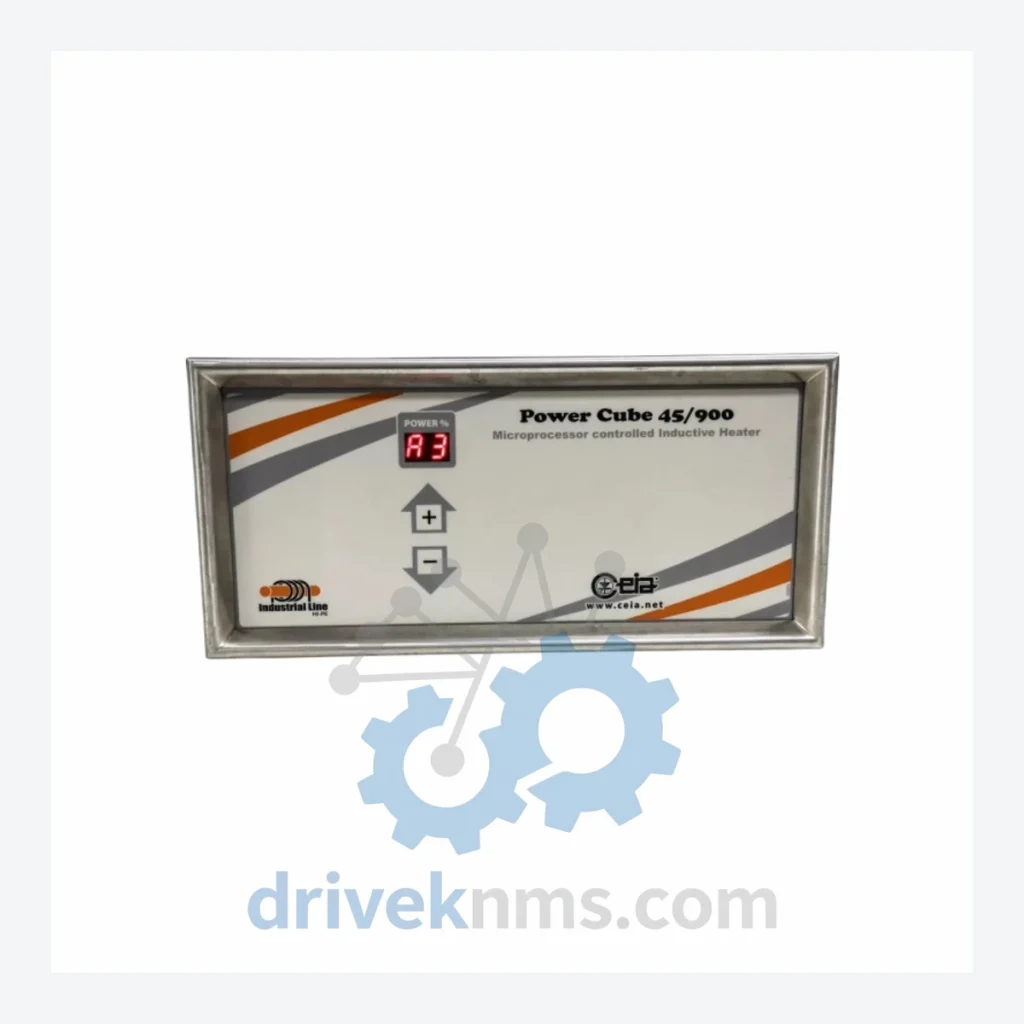
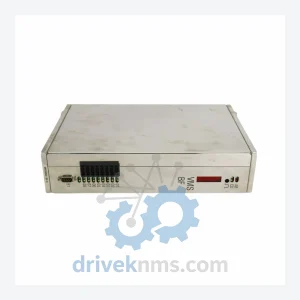
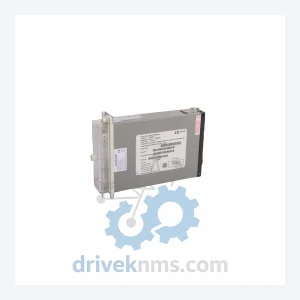
CEIA PW3-45/900 MFA050HA5NSD Power Cube – Obsolete PW3 Series Spare Part
RFQ support for obsolete parts: Send the model number, required quantity and destination so DriveKNMS can confirm sourcing options before quotation.
Technical Specifications
Note: Electrical parameters (input voltage range, output ratings, frequency) are not published here to prevent specification errors. Confirmed technical data is provided upon request with your system model number.
Solving the Discontinued Hardware Crisis
CEIA metal detectors built around the PW3 platform have been deployed across food & beverage lines, pharmaceutical blister-pack inspection, and bulk material conveyors for decades. The PW3-45/900 Power Cube is the electrical backbone of these systems — it conditions incoming mains power, manages the detection coil drive circuitry, and interfaces with the rejection control logic. There is no generic substitute. Replacing it with an off-the-shelf power supply unit will not restore system function; the proprietary signal architecture requires an exact-match module.
CEIA has transitioned its product line to newer platforms, and the PW3 series is no longer supported through standard distribution channels. For plant managers operating these systems, the options narrow quickly: locate genuine spare modules, or face a capital expenditure for a full system replacement that was not budgeted. A single PW3-45/900 Power Cube, properly sourced and verified, can extend the operational life of an entire inspection line by 5 to 10 years — deferring a six-figure capital project at a fraction of the cost.
Condition & Reliability Assurance
Sourcing discontinued industrial electronics carries inherent risk. DriveKNMS applies a 5-step quality assurance protocol to every PW3-45/900 unit before it leaves our facility:
- Step 1 – Visual and Physical Inspection: Full examination of PCB surfaces, connector pins, and housing integrity. Any unit showing corrosion, mechanical damage, or evidence of prior field repair is rejected at this stage.
- Step 2 – Electrolytic Capacitor Assessment: Aged electrolytic capacitors are the primary failure mode in power supply modules of this era. Each unit undergoes capacitor ESR (Equivalent Series Resistance) measurement. Units with out-of-specification capacitors are either recapped with equivalent-grade components or quarantined.
- Step 3 – Firmware Version Verification: Where applicable, the embedded firmware revision is confirmed and documented. Compatibility with the target system generation is verified before dispatch.
- Step 4 – Pin and Connector Integrity Check: All edge connectors and pin headers are inspected under magnification for oxidation, cold solder joints, and mechanical deformation. Contact surfaces are cleaned and treated where required.
- Step 5 – Functional Power-On Test: Units are bench-tested under controlled load conditions. Output stability and protection circuit response are verified before packaging.